
How Pret A Manger brews loyalty through smart app design (and what’s missing)


TL;DR
- Pret’s QR-based loyalty system delivers friction-free rewards with crystal-clear progress display
- Smart push notification strategy uses permission marketing with perfect timing and clear value propositions
- Built-in feedback collection shows commitment to continuous app evolution
- Click-and-collect functionality is missing, creating an omnichannel gap that competitors are filling
Pret’s app serves up loyalty perfection but leaves one dish unfinished
Ever grabbed your morning coffee and wished you could skip the queue entirely? Pret A Manger’s app nails the loyalty experience, but there’s one ingredient missing that could transform their digital strategy from great to essential.
After analyzing countless retail apps, I’ve learned that the best ones don’t just digitize existing processes. They reimagine the entire customer experience. Pret has built something impressive with their loyalty-first approach and permission marketing mastery, but there’s a clear opportunity they’re leaving on the table that could elevate their omnichannel game significantly.
How Pret uses QR codes to perfect loyalty simplicity
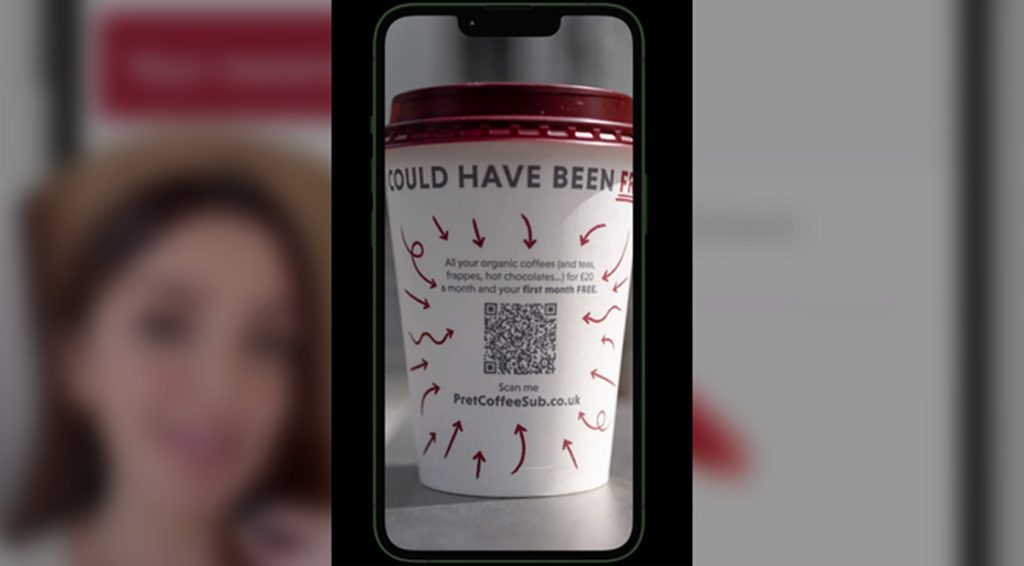
Pret’s loyalty program isn’t just another points system. It’s a masterclass in removing friction from rewards.
Their QR-based membership delivers the holy trinity of loyalty design: scan, earn, enjoy. No complex sign-up flows, no forgotten passwords, no hunting for membership cards. Customers simply scan at checkout and immediately see their rewards progress.
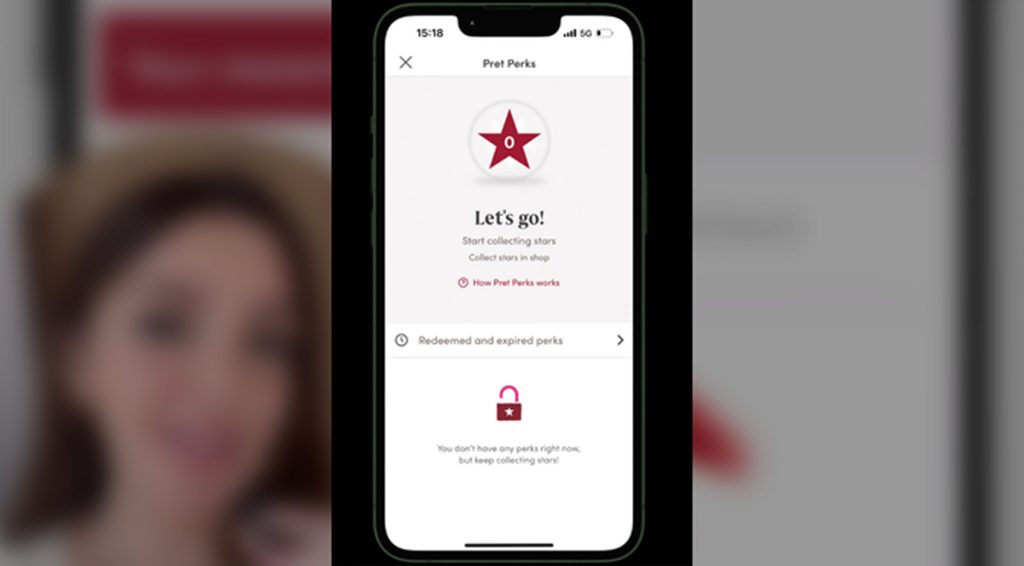
The rewards display deserves special recognition. Instead of burying points in confusing dashboards, Pret shows exactly what customers have earned and what’s coming next. This transparency builds anticipation and drives repeat visits. When customers can clearly see they’re two coffees away from a free lunch, the next purchase decision becomes much easier.
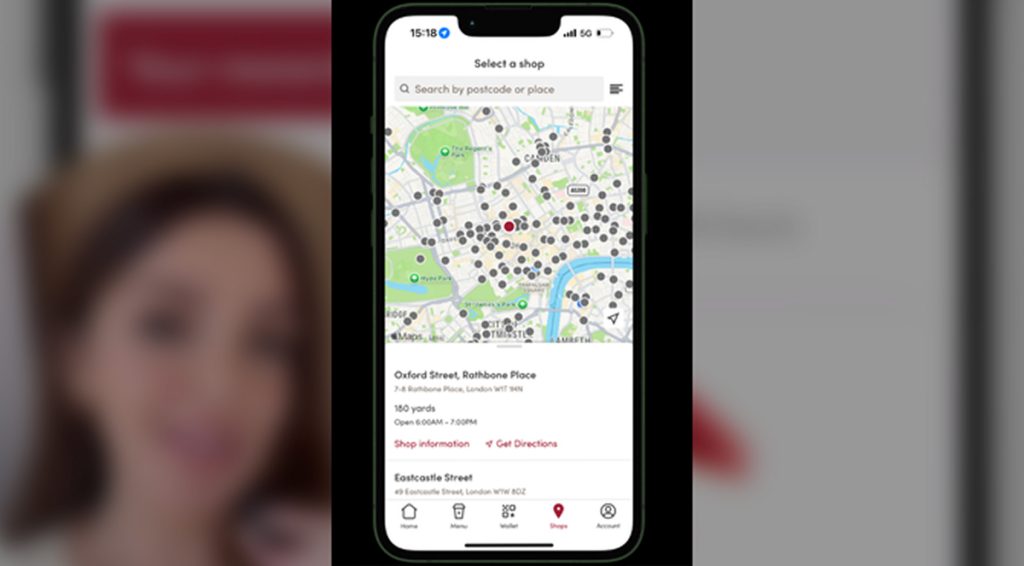
Their store locator functions like a personal Pret radar, helping loyal customers find their next fix wherever they are. This geographic convenience factor shouldn’t be underestimated. When your app becomes the go-to tool for finding nearby locations, you’ve created a powerful habit loop that extends beyond just loyalty rewards.
Inside Pret’s permission marketing strategy
Here’s where Pret really shines. Their approach to App Tracking Transparency and push notifications shows they understand that permission isn’t just about compliance, it’s about relationship building.
The custom opt-in flow delivers exactly what permission marketing should: clear value propositions delivered at exactly the right moment with precisely the right messaging. Instead of generic “we’d like to send you notifications” prompts, Pret explains specifically how notifications will enhance the user’s coffee experience.
This timing strategy pays dividends. By showing app value first, then requesting permissions, they’re building trust before asking for data. Users who understand the benefit are far more likely to opt in and stay opted in.
From a measurement perspective, this approach directly impacts data quality and campaign optimization capabilities. Higher ATT opt-in rates mean better attribution visibility, which enables more precise audience targeting and improved ROAS optimization. When users willingly share data after experiencing app value, the resulting insights are more representative of genuine user behavior.
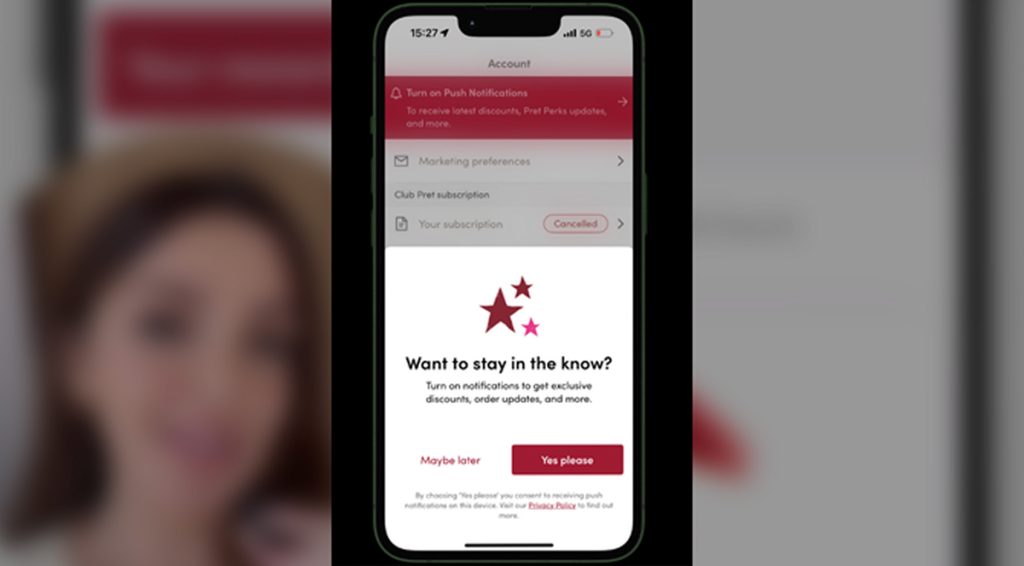
Their feedback collection process reinforces this relationship-first approach. By constantly gathering user input for improvements, Pret demonstrates that the app will evolve based on customer needs rather than internal assumptions. This creates a virtuous cycle where engaged users help shape the experience for future users.
What’s missing: the click-and-collect opportunity that competitors are seizing
Despite excelling at loyalty and permission marketing, Pret has left one major opportunity untapped. Right now, their app has no ordering capabilities whatsoever.
This becomes glaring when you look at what competitors like Starbucks and Caffè Nero are accomplishing. These brands have made order-ahead functionality central to their app experience, creating genuine utility that extends beyond just rewards accumulation.
For busy professionals grabbing coffee between meetings, the ability to order ahead and skip queues isn’t just convenient, it’s transformational. These users become more loyal not because of points, but because the app solves a real daily problem.
The infrastructure is already there. Pret’s existing store locator shows real-time location data and could easily integrate with ordering capabilities. Imagine combining their current loyalty system with the ability to order your usual Tuesday morning combination and have it ready when you arrive. That’s not just convenience, that’s creating an indispensable daily habit.
From an attribution standpoint, click-and-collect functionality would create measurable touchpoints that connect digital engagement to offline revenue. Currently, when loyal customers use the app to find stores but purchase in-person, that conversion often goes unmeasured. Order-ahead capabilities would close this attribution loop, providing clear visibility into how app engagement drives actual sales.
AppsFlyer tip: Smart deep linking can transform how customers move between channels in food and beverage apps. Route users from order confirmation emails directly to pickup status screens, or from loyalty push notifications straight to their rewards dashboard, creating seamless transitions that reduce abandonment and improve the overall experience.
The competitive landscape Pret is navigating
The coffee app space has become intensely competitive, with established players setting high bars for functionality. Starbucks has trained millions of users to expect order-ahead capabilities as standard. Cafe Nero combines loyalty rewards with pre-ordering seamlessly.
This creates a user expectation gap. When customers experience frictionless ordering at one coffee chain, they begin expecting it everywhere. Pret’s loyalty program is excellent, but without ordering functionality, they’re essentially asking customers to use multiple apps for different coffee experiences.
The opportunity cost grows larger as competitors expand their digital capabilities. Each month without click-and-collect functionality represents missed chances to capture habitual usage from customers who are increasingly comfortable with digital ordering experiences.
From great loyalty to indispensable utility
Pret’s app foundation is solid. They’ve mastered the fundamentals of loyalty design and permission marketing. But the next evolution requires moving from rewarding purchases to enabling them more efficiently.
Adding click-and-collect functionality would leverage their existing strengths while filling the obvious gap. Their clear rewards display could show order-ahead discounts. Their permission marketing expertise could drive perfectly timed pickup notifications. Their store locator could become an order destination selector.
This isn’t just about matching competitor features. It’s about creating a complete digital coffee experience that makes the app essential rather than just helpful. When your app becomes the fastest way for customers to get what they want, loyalty follows naturally.
The measurement challenge here involves understanding how app functionality drives both immediate conversions and long-term loyalty. Without proper attribution connecting app engagement to in-store purchases, brands can’t optimize the features that truly matter. This requires comprehensive measurement that captures the full customer journey, from initial app download through repeated purchase behavior across channels.
Key takeaways
- Loyalty programs succeed through simplicity and transparency, Pret’s QR system with clear progress display removes friction and builds anticipation for repeat visits.
- Permission marketing works when value comes first, showing app benefits before requesting data sharing dramatically improves opt-in rates and long-term engagement.
- Competitive gaps become customer expectation gaps, when competitors train users to expect certain functionality, every brand in the category must eventually adapt or lose relevance.
- Order-ahead functionality isn’t just convenience, it’s habit formation, apps that solve daily problems become indispensable rather than just occasionally useful.
- Omnichannel experiences require connecting digital engagement to physical outcomes, measuring how app features impact in-store behavior helps optimize for true business impact rather than just app metrics.
Ready to enhance your omnichannel retail strategy?
Explore AppsFlyer’s measurement solutions to connect every customer touchpoint, optimize loyalty program performance, and measure what truly drives long-term value across the complete shopping journey.
Want deeper insights into app marketing trends?
Download the 2025 State of eCommerce App Marketing Report for comprehensive data and strategies to elevate your mobile growth approach.