From Bricks to Clicks: How GQ Apparel Rebuilt a Thai Family Brand for the Digital Age
From Startup Operator to Climate Investor: Djoann Fal on Funding the Technologies That Actually Move the Needle
George Hartel
0:00
0:00
Featuring
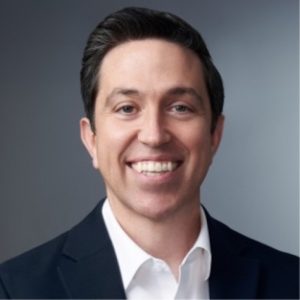
George Hartel
Chief Commercial & Development Officer at GQ Thailand

Episode summary
George Hartel spent 15+ years scaling brands like Sharpie, Rubbermaid, and Coleman across the US, Asia, and beyond before making a deliberate choice to stay in Bangkok. In 2019, he joined GQ Apparel — a third-generation Thai family business with zero e-commerce and a single channel: department store counters. What followed was one of the more concrete retail transformation stories you’ll hear from Southeast Asia.
The conversation moves through three distinct phases of that build: the product-first launch of the GQ White shirt (50 million views, 200,000 units in 60 days), the COVID pivot to masks (a million units in six weeks, built on 10-day sprint logic), and the systematic construction of a profitable D2C and marketplace engine across Shopee, Lazada, and TikTok Shop. George is specific about what mattered — unit economics from day one, psychological safety inside teams, and a “make it a wow” filter that replaced corporate sign-off culture.
There’s also a thread running through the whole episode about what it actually takes to build inside a family business versus a multinational: fewer layers, faster decisions, and the obligation to keep the scrappy culture intact as the headcount grows. George’s framework for doing that — and his honest account of where they’ve failed — makes this worth listening to for anyone running a brand transformation, not just in retail.
Key highlights
On building momentum through product launches:
“It built a confidence inside the organization that we were rallying around one single idea and one product. And that you could sell a lot of it if you really built something great and did a really good job with viral marketing.”
On unit economics as a non-negotiable:
“I don’t know when it became okay to just not make money for the business. This idea of building an e-commerce business that’s not profitable in any way, shape or form — I just don’t subscribe to it. And we don’t, and we won’t.”
Episode Timestamps:
*(00:00) Introduction — How George and host Ronen Mense met in Bangkok
*(04:05) George’s background: biomedical engineer to 15 years at Newell Brands
*(09:00) Why George chose to stay in Bangkok and join GQ Apparel in 2019
*(12:12) The GQ White shirt launch — sizing research, stain-proof tech, and 50M views
*(16:00) COVID hits: retail closes, color-changing shirt scrapped, pivot begins
*(17:15) Designing and launching the Loop Mask in 10 days — 1M+ units in 6 weeks
*(20:30) What the mask sprint taught the team about speed and scrappiness
*(25:00) Exiting OEM, building D2C from zero — Shopee, Lazada, and Amazon US
*(35:15) Learning e-commerce in public — accountants and lawyers running marketplace teams
*(36:15) The unit economics obsession: profitable D2C while competitors burned cash
*(39:45) Psychological safety as a growth tool — how they handle failure and dissent
*(42:30) The all-hands meeting that made a senior outside executive say: “I can’t help you”
*(44:37) What George wants his legacy to be — building things that last a generation
*(48:30) Quickfire round: favorite books, China speed vs. GQ speed, and longevity
Transcript
[00:00:00] Ronen Mense: Another. Yes, another exciting episode of Epicenter. Actually, this is episode [00:00:15] 34. Um, and I have an amazing guest here today, Mr. George Harel. Do people call you you, Mr. Or just Kun? Kun George. Yeah. Kun. Yeah. Kun George.
[00:00:29] George GQ: Kun. Josh. [00:00:30] Sometimes Kun. Josh? Yeah. Sometimes. Is that your middle name? No. No. Just sounds like George.
[00:00:34] So it’s, I go
[00:00:35] Ronen Mense: with that as well. Kun. Kun. Okay, good. So, uh, we’re here with, uh. George Hartel, [00:00:45] Mr. George Hartel. Um, COO of Supra. C-C-O-C-C-O, yeah. Of SRA Group. Yep. Which, uh, well, he’s gonna tell the story, but I’m gonna first ramp this up because George and I, um, [00:01:00] met in the most, um, how would I say? Uh, obvious way.
[00:01:08] We were on an island. We were [00:01:15] stranded, we had a few drinks and um, we started chatting, I think it was at a barbecue. And lo and behold, it [00:01:30] turns out that we lived in the same neighborhood. Yeah. Like actually two or three Really close. Yeah. Three streets apart. And, um, you know, it was like, uh. A match made in heaven.
[00:01:42] It was like romantic from the [00:01:45] beginning. Well, for you, gen Zers, I mean, this is actually how people really meet. Like actually bumping into each other and making friends and don’t need to go onto some social platform and swipe left, swipe right, whatever. But as George and I began to know each other, um, I became [00:02:00] really interested in his background.
[00:02:01] I mean, he’s done some amazing stuff and um, basically how he transformed. A company and a business, um, during a pandemic and, [00:02:15] and to being an amazing success story. Um, so George,
[00:02:21] George GQ: welcome to Epicenter. Ron, thank you for having me today. I am super excited to be with you and thank you for that, uh, [00:02:30] romantic introduction that you shared with your audience.
[00:02:33] Um, yeah, uh, you know, I’ve been fortunate to have met you and, um, really excited to be here today to share what we’ve been doing and the journey [00:02:45] that we’ve been on. I think it’s a very unique journey that, that we’ve undertaken and. Draws on a lot of experiences from multinational companies working with the big giants, and then now like working with [00:03:00] a Thai family business to do transformation.
[00:03:02] They’re, they’re kind of two different walks of life, but a lot of the principles that matter to build. Businesses and grow them and to innovate and build great teams all apply, whether it’s a big business or, uh, [00:03:15] you know, a a local business. And so it’s been a lot of really a lot of fun to, to do this, uh, locally.
[00:03:23] And, uh, it’s been a great pleasure to get to know you and your family as well.
[00:03:27] Ronen Mense: That that’s awesome. And, and today, um. [00:03:30] Because I, I, I think that it, I just wanna set the, uh, tone. We’re gonna talk about a digital transformation, basically going from bricks to clicks. And I know it sounds pretty colloquial, but let’s.[00:03:45]
[00:03:45] Kind of give the audience, uh, a bit of your background because you know, you’re not from here, you come from New Orleans. Yeah. And, uh, how does a, a boy go from, uh, new Orleans to [00:04:00] Bangkok and, and what’s the path that that took? So give us a sense of, of, of you and your
[00:04:05] George GQ: ramp up, uh, to here. Yeah. I mean, new Orleans is a special place and anyone who’s been there knows.
[00:04:12] Uh, how wonderful of a city it [00:04:15] is in the us. I grew up there. Um, and you know, I think if I look back at the journey that I’ve been on, there’s always been this e excitement around like building and growing. And so I, you know, I [00:04:30] grew up there. I was an engineer, uh, went to Tulane. I was a biomedical engineer and a mechanical engineering minor.
[00:04:36] So why, why, how I now sell shirts and underwear is still, you are smart. It’s still a long journey to go through, so I hope we have time. [00:04:45] But yeah. Um, I was fortunate enough after university to go work at Newell Brands. At the time it was Newell Rubber made. Mm-hmm. And, uh, Newell is, for those of you that are listening to don’t know, Newell Brands is one of the largest.
[00:04:57] Consumer durable goods companies in the world that I said [00:05:00] no one’s ever heard of. Usually. So brands like rubber, make pens, Rubbermaid, Sharpie, Greco Baby Products, Calphalon Coleman, outdoor gia, Yankee Candle, um, just to name a few, right? But there’s about a hundred household brands that are part of the portfolio [00:05:15] and I spent my time there with them really.
[00:05:18] Working on a combination of taking like tired, old portfolios that had latent, you know, latent brand equity and rebuilding them, rebuilding the [00:05:30] portfolio, rebuilding the teams, working on them. We were acquiring businesses that needed to scale. Some were offline and needed to get online. Some were in the US and needed to go global.
[00:05:39] Some were international brands, but never launched in the us. So over the course of 15, 16 [00:05:45] years, there was this nonstop. Capability and movement, even for me, like the family moved five times in 10 years. We went from Charlotte, North Carolina to Virginia, uh, to uh, back to Atlanta and then [00:06:00] Bangkok and almost ended up with one more move, uh, when we ultimately decided to stay in Bangkok.
[00:06:05] And I think if I look at that journey, all of these experiences. With so many brands and types of businesses, we did DIYI was doing home [00:06:15] improvement products with Lowe’s and Home Depot was doing, uh, paint brushes. At one time. I did mops and cleaning products for hospitals, and then we did pens, like paper made and Sharpie, and they were all in all different parts of the world and all different [00:06:30] channels.
[00:06:30] So it was very fortunate to have. Touched and experienced so many different types of business, and I think when I looked at the business in Asia, I was heavily involved in the strategy that we worked on to enter [00:06:45] China, and we had to do a refresh in India on Sharpie and paper. And I kind of started to spend a lot more time in Asia.
[00:06:52] Mm-hmm. Nothing like the experience that you’ve been been doing over the years, but this show is about you today. Exactly. [00:07:00] But, but it, but it, but it really started to get me excited because this was such a build. Region and you could do so much. So after two years of working on the entry strategy, the, the Newell team asked me to come out to, [00:07:15] uh, Asia to run the business here and keep building it.
[00:07:18] And we happened to have a pretty decent sized office in Bangkok. Mm-hmm. Uh, we made all of the, the, uh, the, the white. Like correction fluid pens for the world in like a B, [00:07:30] about 10, 10 miles from here. And we, we landed and we as a family, we were the first time expats and we just fell in love with Bangkok.
[00:07:40] And I think part of it is my wife Michelle, we met in New Orleans at [00:07:45] Tulane and we. We, Tulane is a lot like Bangkok. Mm-hmm. It, it is multicultural. It, it’s got nightlife, it’s has spicy food, it’s full of tourists a lot of the days, and it just has a genuine group of [00:08:00] people that are really special in its own way.
[00:08:02] People that no New Orleans will say, there’s no place like New Orleans. There’s no people that lived there. There like. People from New Orleans and Bangkok, uh, to a large degree is like this as well. So we really fell in love with Bangkok on a personal [00:08:15] level. Professionally, I was really enjoying being in Asia and then we decided to make this huge leap and just said we really would love to stay in Bangkok and to do that it was gonna require me to.
[00:08:27] Uh, find a way to not get moved [00:08:30] around all the time, which is what I’d been doing Right. Professionally and to the whole family. I think you were even supposed to move to India at some point, right? We, we had talked about India. We had visited Shanghai as a family. Mm-hmm. On a looksie. The company wanted me back in the us.
[00:08:42] Um, which was a big [00:08:45] opportunity and hard to even say no to. ’cause it was a great opportunity and, and Newell was so good to us for so long, and we made the decision, said, look, we really wanna be here. And so I said, well, if I’m gonna be here and you really wanna live in Bangkok, and I, and I, and I really like Thailand, [00:09:00] then.
[00:09:00] I need to do something that keeps us here, but that is also is exciting for me to do from a professional standpoint. How can I help? I said, well, the, the transformation part still apply. Mm-hmm. And so I was fortunate enough to link [00:09:15] up and started the transformation work on tq. And 2019 we started this journey.
[00:09:21] And then so, so for the audience,
[00:09:24] Ronen Mense: right? Yeah. GQ is not a, a big US corporate.
[00:09:27] George GQ: No. GQ is not a US corporate. It is a, it is [00:09:30] a small Yeah. Family run business, right? Yeah. Yeah. We’re privately held, um, a single, you know, one family ownership, uh, multi-generational, so now on the third generation, wonderful group to work with.
[00:09:44] And it’s [00:09:45] been really. Fortunate over the last five years that they’ve, you know, welcomed me into the, the family unit and our whole family. And, you know, it’s been a really exciting journey watching, uh, the, the business and the [00:10:00] team grow over the last, you know, now may will be five years and, mm-hmm. You know, tr on a, on a per, you know, on the output side, like we’ve outpaced everyone.
[00:10:10] Mm-hmm. Like, I’m not, we’re not shy about that. Right. We’ve really, we’ve beaten everyone in our peer [00:10:15] set for the last five years, even during COVID and it, it has been because of us systematically putting in place what we believe is a better operating model. Whether you’re small or big in inside the, inside the organization,
[00:10:29] Ronen Mense: but that, that just [00:10:30] didn’t happen.
[00:10:30] Right? And it definitely doesn’t just happen in a, in a family run business, right? Here you are, you join in 2019, right? Months after you join COVID hits retail shops that [00:10:45] you guys operate are closed. You have hundreds or thousands of mouth that you guys are feeding and nobody is at your stores and you don’t have much of a digital presence.
[00:10:56] Right, right. Yeah. So here you are thinking, [00:11:00] what do we do, right? Yeah. How do we transform this? And, and you’re also stuck on a remote island. Uh, yeah. With the, an idiot like me. Yeah. Um, so. Tell, tell us [00:11:15] about that, because how do you go from that to where you are right now?
[00:11:19] George GQ: Yeah, I, I think if we go back just a little bit before COVID hit, right?
[00:11:24] Yes. So we’re kind of mid 2019 and we’re just starting the transformation journey. [00:11:30] And, and you know, I’ve been very fortunate to have an, an amazing partner with Win mm-hmm. The CEO and he. He, from day one, he believed in the conversations we were having of what was possible, believed in me as well. And he was [00:11:45] bringing me in as the first foreigner, the first farang hire at, at, at the company, right.
[00:11:50] And he made a big bet bringing me, me in. And I, I can’t thank him enough for that. And I do on a regular basis. And he also is very genuine. And thanks me [00:12:00] for making the leap as well. And this bond that we’ve built early on fueled, uh an excitement all the way up until November of 2019 when we launched the GQ White shirt.
[00:12:12] Mm-hmm. And GQ White was a [00:12:15] fundamental shift in the apparel business. Mm-hmm. So for decades, for the family, for the industry, everybody is seasonal. Fast fashion. Here comes the collection. When it sells out, here comes the next one. And we said, no, we’re gonna take a different approach. And we borrowed [00:12:30] some of the principles from the the C-P-G-F-M-C-G business.
[00:12:33] We went out, we did insights. We said, well, what’s wrong with the category? What are men struggling with? And we started to hear things like, men don’t understand their sizing. Like if you ask 10 men, what size shirt do you wear? And they say, [00:12:45] uh, an ml, I don’t know. It depends on the size. Now you’re an e-commerce guru, right?
[00:12:49] How do you get people to buy online when they don’t even know their size? Right. Don’t even get into the returns discussion. Yeah, like just they won’t even purchase. You can’t get people to convert if [00:13:00] they don’t understand the sizing system. So we develop, we went out and we measured a thousand tie men.
[00:13:05] Which had never really been done before. And we said, well, what is the actual size and pattern we need for ties? Because Asian cut is actually mostly Japanese [00:13:15] branded influence. And we found that there were significant differences in how, uh. Ties bodies are particularly the thickness of their neck, the shoulder width, how their waist to neck shoulder ratios.
[00:13:26] And we actually built an algorithm that you could just measure the shoulder. And [00:13:30] so we created what was called DQ size. Mm-hmm. So there’s no SML XL standard sizing in tq. People learn that they’re DQ 44 or 45 or 50, and now they know that that’s their size. Mm-hmm. So we tried to eliminate this problem of.
[00:13:43] Purchasing [00:13:45] online and remembering what your size was, if you wanna still go to the store and try on. Sure. And then the second part was that we were like, we don’t wanna be an apparel. We don’t wanna be a fashion business. Mm-hmm. And on. It is. So this is like fear number one. You’re gonna
[00:13:57] Ronen Mense: get like yellow under the
[00:13:58] George GQ: armpit.
[00:13:58] Exactly. All of these [00:14:00] things were real. So we basically created a white shirt that was essentially stain proof and we demoed it to, to men and consumers. And we learned that essentially guys buy reasons why guys want fast cars. They want. Not to [00:14:15] overly stereotype, but they want ga. Yes, they do Gadgets. Guys want gadgets and so they buy on that.
[00:14:20] So when we communicated, we started talking about gadgety things like how hard it would you would have to pull to rip the button off Uhhuh and how far, how much you could [00:14:30] pour on the shirt to, you know, to show the pressure test of the product. And when we did that, we launched it with this really amazing viral video that we worked on.
[00:14:40] And it ended up with 50 million views in the first month. Wow. And we sold, we’d never [00:14:45] sold more than like 200 shirts, white shirts in a day. And we sold 200,000 shirts in the first 60 days. And what it did was, this is pre COVID, right? Just before COVID. Is this the video of like people getting like orange [00:15:00] juice and everyth, everything pouring on that?
[00:15:01] Yeah, and it went crazy. People UTC wanted to pressure test. They were pouring water all over themselves, coffee in the soy, and it just created this. Amazing campaign where people were showing it all, people throwing buckets on each other to see if they could [00:15:15] almost Wow. Pressure test the product. Product, no problem.
[00:15:16] We gotta put that in the show notes. And, and, and so what, what more it did was not, I mean, obviously we sold a lot of shirts and it was a huge success for sort of rebranding the business of where we were going. [00:15:30] But it built a confidence inside the organization that we were rallying around one single idea and one product.
[00:15:36] Mm-hmm. And that you could sell a lot of it if you really built something great and did a really good job with viral marketing. And so we were heading into [00:15:45] the song Kron season. If you recall, there was a, I don’t even know if you remember, there was a color changing shirt that we were planning to launch for song crime.
[00:15:53] When you squirt the water, the color would change. So dead now that it, it, you don’t even know about it. Right. Wow. So we were just about to launch [00:16:00] that. We spent a huge amount of money on this really innovative new mm-hmm. And the campaign was like, we’re gonna change song cron forever. Mm-hmm. And the day we launched the PR at two o’clock Conan and everyone started canceling.
[00:16:14] Scra [00:16:15] because of COVID, and that was like mid-February and by the next two weeks, all water festivals, everything was canceled and they announced March 10th that all retail was closing. The lockdown was starting. And like you said, we were sitting there going. [00:16:30] Holy moly, what do we do? Mm-hmm. Right. We, our retail business, we were just getting e-commerce started at few.
[00:16:37] This is 2019. Shopee was still kind of early days. Lozado was the big player in town. We were learning to get our D two C [00:16:45] website up and running. Mm-hmm. Retail shutting down was a big problem. Yes. And so then the pivot happened that you were referring to. We said, well, what do we do and what do, what can we do?
[00:16:55] We have hundreds and hundreds of people in the organization. We can’t leave them out to [00:17:00] dry and, and we looked around and said, okay. What are people using and wanting right now, right? Mm-hmm. They needed a mask. Yeah. And we said, well, we can’t do any mask because we’re supposed to be problem solvers inside the organization.
[00:17:12] So what was wrong? [00:17:15] And, and it was great. Like we, in 10 days we designed, developed and launched the loop system. Mm-hmm. Which became the gold standard in Thailand with the built-in lanyard. Yeah. The inside of it, people were complaining about getting some form of [00:17:30] acne already. In the early days, so we went and sourced medical grade fabric from the inside that people using diabetes patients.
[00:17:37] Mm-hmm. For their legs to wrap them. Mm-hmm. To reduce the amount of bacteria on the face. So it worked. And the outside, we used the GQ white [00:17:45] fabric. So you would sneeze in the demo or uhhuh, you would throw water on your face, it would bounce off. So it was like connecting the shirt and the mask. That was the original intent.
[00:17:53] We had no idea it was gonna go as big as it did. We launched it, it crashed at the website five times. That first day. [00:18:00] Uh, we got it back up and running and uh, six weeks later, like more than a million masks had been sold. Every retailer in Thailand was calling ’cause they needed masks to sell. Retailers that had nothing to do with like pharmacies, they needed masks [00:18:15] because they needed to stay open and needed essential items.
[00:18:17] Mask was an essential item. Yes. So they could sell mobile phones if they had masks, right? Yeah. So we became hot overnight and the whole company shifted to be mask making in the middle of [00:18:30] COVID, both here and then abroad in the us which is where the, the, the next part of this learning came for us about selling outside of, of Thailand on Amazon and D two C in the us and so.
[00:18:43] It was an incredible [00:18:45] like 60 to 90 days where we didn’t have capacity to make all these masks. We had to crowdsource factories all over Thailand. We kept. 2020, we kept 3000 sewers, maxed out ot, all the way through most of the [00:19:00] first phase of the lockdown where most factories were stopped. We were just finding any, you know, anyone we could get that could sew the mask to keep up with the demand we had globally and.
[00:19:12] Yeah. It was a crazy pivot, but it taught the team two [00:19:15] things, right? One was go keep problem solving even in the face of adversity and two speed that we always talked about. Every time someone now says, oh, that’s gonna take a long time to develop. Mm-hmm. We sit in a meeting and remind them, you remember when we did the mask [00:19:30] in 10 days?
[00:19:30] Don’t, don’t say that it’s gonna take four months to develop this. We can do anything in 10 days. We can do any new project even faster. So it, it, it helped build the confidence of the team and of course it, it catapulted us in a whole new [00:19:45] direction as we made our way through the pandemic that is.
[00:19:49] Ronen Mense: Such an amazing story and in so many parts because there’s learnings to it, right?
[00:19:55] You talked about confidence a bunch of times already.
[00:19:57] George GQ: Yeah.
[00:19:57] Ronen Mense: Right? And, and you have to give [00:20:00] people the emotional confidence, right. To be able to do the things that they, and the safety to do the things that they wanna do, but also the innovation, right. And, and challenging yourselves beyond the limits that you know.
[00:20:11] Right. And, and once you have that new. [00:20:15] High watermark in this case, 10 days. If it’s 10 days, we can do something in 10 days. Like yeah, you, you, you instill that confidence in them.
[00:20:24] George GQ: I, I think too, Ronan, one of the things, just to add on briefly, is. [00:20:30] Separate from the, the confidence was the team learned to get really scrappy.
[00:20:35] Mm-hmm. I mean, we were in the middle of a lockdown. We, we were the studios, no one would let us shoot. Mm-hmm. Like we, we did the, the Crayola shoot for the US at my house [00:20:45] mm-hmm. With my neighbor’s kids. And our photographer came and we had like a single green screen backdrop in our driveway mm-hmm.
[00:20:52] Outside in April. Right. It was like a hundred degrees, like they’re 40, almost 40 degrees. Celsius and we did it and the team did it [00:21:00] on a dime budget with everything closed. And so they learned that you don’t need the big agency, you don’t need the big budget to film and shoot that you can actually get really great quality work if.
[00:21:12] If you’re thinking in a really kind of [00:21:15] scrappy way. Mm-hmm. And I don’t think any of them wanna go back to that photo shoot in the middle of the driveway, but man, they still refer to it as being, remember those days? Like that was a lot of fun. It was hard work, it was late nights trying to get it all together in time.
[00:21:28] And people worked really hard, [00:21:30] but they, they still were enjoying the work. And I think that’s was really important. Doesn’t that, doesn’t that set the
[00:21:36] Ronen Mense: tone for, for the way that. You as a leader and how you are [00:21:45] changing the mindset of your team, right, to start to shift, right? Because it’s moving out from a traditional mindset that is, we always do things this way.
[00:21:58] How can we change [00:22:00] now? They’ve shifted their mindset to see that, hey, we can do things scrappy, we can do hustle, we can do, you know, things that we didn’t think were possible at speeds that were possible. So you’re all, you’re starting to be a change [00:22:15] maker. You’re starting to already transformed organization, whether you, you knew it at that moment or not.
[00:22:22] You, you, you know, within months of, of, of COVID onset, now you have a whole different type of company with a whole different type of [00:22:30] mindset, right?
[00:22:31] George GQ: Yeah. You know, I think this is ingrained inside. Um, we, we, we have this, we have a series of, um. You know, our, our purpose statement is to create life changing wearable solutions.
[00:22:42] Mm-hmm. But some of the values we, we [00:22:45] believe in, that we talk about that are on the walls if you come to the office or, you know, or things like to think like an owner. And, um, the one that, that you’re referring to also is to like, make, make it a wow. Mm-hmm. And that one, you know, like when you’re in a [00:23:00] room and someone presents something to you, or you see something in your feed, or you see something on TV or whatever you’re consuming and you go, wow.
[00:23:08] If you can’t do that when you’re looking at the idea or the, the presentation or whatever it is, then it’s not good [00:23:15] enough. Mm-hmm. And sort of go back and do it again. And it’s not like, uh, it’s, it becomes like their guard, their, their guardrails around there’s gate around whether or not something’s okay to do or not.
[00:23:28] And in many days we talk [00:23:30] about like. You know, what you just showed is like ordinary. Mm-hmm. It’s expected. Mm-hmm. We want the unexpected. Mm-hmm. We want, we want the twist on the campaign. We want the twist and the product, uh, assortment and even the mask, there was a twist [00:23:45] to it. Like the way we did it, we could have just made it two loop mask mm-hmm.
[00:23:48] Like everyone else and copied the hospital mask. But it, we, they went one step further with it and it’s been like that. All four years with each of the, the, the successes that we’ve [00:24:00] had, it, it, it’s been in, you know, really about how do you make things a wow. Mm-hmm. And. That means sometimes the cost is a little higher to make the product right, or the video is gotta go back and get redone and the timelines get [00:24:15] crunched.
[00:24:15] Like this is part of making sure you don’t really sacrifice something that you know is the right thing to do to make it a wow. Just because of some part of the, the. [00:24:30] Requirements that are in your business, and that, that’s what we try to encourage, whether we’re talking to big company or small company people in your audience now.
[00:24:37] Mm-hmm. Like, try not to let cost I know it’s hard. Yeah. Try not to let cost the legal team, you [00:24:45] know, uh, some policy internally create this, this squeezing feeling amongst the team where they can’t really do the innovation and what we call the wow work. Mm-hmm. So. [00:25:00]
[00:25:00] Ronen Mense: If I understood correctly, pre 2020 companies mostly, uh, a retailer, right?
[00:25:11] Probably
[00:25:12] George GQ: had some online sales. None. None, [00:25:15] none. So 2019, we were in the distri. The distribution model was just so pure bricks. I mean pure department store, bricks department store. So we’re in the department store only. No owned store in the plazas in the mall. Just the department store counters. No [00:25:30] e-commerce zero and some, some.
[00:25:32] Prior to that, there was a bunch of OEM business. Now, what was nice is that the r and d side of the business had done a lot of OEM over the, over the decades for North Face Japan, uh, under Armoured, Nike. [00:25:45] So part of the family’s business was. Doing OEM for large brands, but that’s a complicated business to be the factory for.
[00:25:53] Yeah. Big brands. And you’re sort of one new sourcing director away from moving your factory from Thailand to [00:26:00] Bangladesh or, you know, another part of the world, uh, in, in, in, in Vietnam. And so it, it, it, that’s not a business that we wanted to stay into. So we exited those and Wind did a lot of that. Mm-hmm.
[00:26:12] Were heavy lifting before I got there, which was great. So I, I didn’t [00:26:15] have to do too much of it. With him. Um, and, and that helps as we could just focus on like the, the consumer facing side of the business. And so you start to build
[00:26:23] Ronen Mense: this basically direct to consumer engine, right? You’re building [00:26:30] the team, you’re increasing their capabilities.
[00:26:34] You’re improving the way that they think their mindset, um, and you’re proving it with a lot of this changes that you’ve done from, you know, the white t-shirt being one of the first [00:26:45] iterations, but then the mask, then the underwear, then, then, then, yeah. And here you are taking a, a, a business that again, was reliant on, its on its pre, on its physical [00:27:00] presence to now being.
[00:27:03] Almost, I mean, it has a dual strategy, right? There’s the, the, the retail strategy, which has also been completely overhauled and super successful, beautiful stores now. But [00:27:15] the, the, the digital side of your business is, is also equally interesting, right? And, and probably a, a major part of, um, the growth engine for GQ going forward.
[00:27:26] And I think there, there’s, [00:27:30] um. Like the speed at which you guys are, the, the pace of innovation is very interesting. Mm. And I remember, um, you telling me about [00:27:45] a new channel that you guys were basically, um, exploring with TikTok shops. Mm-hmm. Right? And you almost got, you guys thought you were fast. Now you, [00:28:00] you, you learn of there there’s fast and there’s China fast.
[00:28:03] Yeah. Or China speed. Yeah. Talk to us a little bit about like what is the learning that you had, uh, with your experience with TikTok and how that also helped shape the way that the company thinks [00:28:15] in, in, in pace and innovation and, and, and basically the speed in which you can move.
[00:28:20] George GQ: Yeah, I think, I think there’s like two really great examples of the, the, what you call the China speed.
[00:28:25] Um. If I go back, just before we talked TikTok, the first example [00:28:30] of it was when we launched D two C to the us mm-hmm. From during, during COVID. So we pushed really hard, uh, with the partnership with Crayola licensed the brand, and we were selling pre-order. 30 day pre-order. ’cause we [00:28:45] were still making the product to ship to the us.
[00:28:47] We got so popular, like the number one rating on Amazon, and all of a sudden we started getting reviews on our product and we were like, how, how can we be reviews? We haven’t even shipped the product to the us. And the [00:29:00] Chinese teams had already copied the mask and had shifted to the US and consumers were, they had hijacked their listing.
[00:29:08] We were still learning. We didn’t know how to, to, to do the, the gatekeeping on our brand registry yet we were still learning Amazon, and [00:29:15] so we, they hijacked the listing. They started shipping product and the product wasn’t to spec. So people were complaining. We were getting all these one and two star reviews on our product that we hadn’t even made one yet.
[00:29:24] Of course, Crayola was upset, like, why are these reviews coming in? So, but what it, what it showed us was like, [00:29:30] wow. Like while we thought we were fast mm-hmm. 10, you know. The Crayola thing, you know, program took about 45 days even with the licensing deal. And we shipped in 30 days from the first P order we got from consumers.
[00:29:42] Mm-hmm. And we thought, man, we are really moving it. [00:29:45] They copied us, man, manufactured the product, shipped it to the US and consumers had it before we could even get our orders out the door. Wow. And we were in the images, they had shot, they did photos too. So we were talking about this China speed and said, wow, we should, you know, maybe [00:30:00] we need to learn from the China team.
[00:30:02] Like how can they be so fast? And then when we, to, to fast forward to your original question, when we started meeting the ance team from China, um. As we [00:30:15] started to scale TikTok earlier this year, you know, I, I, I’ve told this story a few times, but it’s just been completely like an, you know, mesmerized with the fact that their team came from China.
[00:30:29] Mm-hmm. [00:30:30] They did not want to, they didn’t have one PowerPoint slide. Mm-hmm. They showed up, they, they pre, they pre requested, can we do home visits? Mm-hmm. Can we go see the market? Can we talk to your team? Can they tell us about what their experiences is in the seller center? What are [00:30:45] the issues? They walked in with notepads and phones to video us, and we went to home visits to see consumers and how they consume TikTok and they sit on the floor and where they sit on their bed.
[00:30:57] Mm-hmm. And all of this, we [00:31:00] documented and we learned how they thought as well, and how they viewed the consumer’s journey. And what was amazing is the feedback we gave them during these sessions about the seller experience as a, as a brand. Mm-hmm. The next week the things were fixed. Now I, I, [00:31:15] look, I, I don’t want to contrast it with my good friends across the pond in California at multiple brand agencies that do ads, but I can’t imagine me making a request to change the platform in country to any of [00:31:30] those large scale advertisers and, and see them like
[00:31:35] listen and change it within the next week. And our teams felt so empowered that they told the management at Tech Talk and by [00:31:45] dance that this was an issue. And the next week these issues were resolved. And it was fascinating to see this. And so we built this relationship with Byan and as a result, we’ve scaled this business.
[00:31:57] It’s scaled so fast, Ronan, I mean, the live streaming [00:32:00] and the affiliates. In the, the, the actual entertainment value on TikTok. Everyone knows, but the TikTok shop has scaled so fast, so fast in iland now that we’re still number one on Shopee, number one on Lazada in men’s, [00:32:15] and now TikTok is now bigger than Lazada.
[00:32:17] Wow. In nine months. That’s crazy. And growing month on month. On month. And, and we can’t, we can’t like pump it fast enough. And the assortment is very different. Mm-hmm. The user. Purchase is very different [00:32:30] product than our retail stores and even very different than Shoppy and Lazada. So it’s been a totally new consumer we’ve picked up and, um, there are, there are taste and their, uh, the assortment that we have to make for them now is very different.
[00:32:43] So we’re starting to think about, okay, what are the [00:32:45] product ranges that satisfy the customers in the TikTok platform, but just. The, the, the speed, you know, uh, is incredible. I think, I think truthfully, China gets a lot of flack, particularly from Americans, sometimes about the [00:33:00] way they operate and, and you don’t have to agree with anything.
[00:33:02] Mm-hmm. Politically or whatever, but. You have to admire their e-commerce capabilities. Absolutely. It is, it is. It is by far the most advanced and fastest at, at, at [00:33:15] doing things that I’ve seen yet in the world. Absolutely.
[00:33:18] Ronen Mense: So I’m, I’m, I’m super impressed because. It, it, it seems that in, in, in four or five years of, of, uh, [00:33:30] basically transforming this business from, from a, uh, traditional retailer.
[00:33:35] Now to a full blown, you could call yourselves an e-commerce company, right? I mean, you, you’re driving business direct to consumer. You have your retail strategy. [00:33:45] Um, you. There’s a lot of brands out there that are, are gonna hear this story and, and be, be amazed with this type of transformation because it’s not, uh, it’s not trivial [00:34:00] what you’ve done.
[00:34:00] And it’s not simple, right? This is, this is, brands are struggling to transform even till today. Right? I mean, COVID was a, a, uh, a great digital accelerator and, um. You guys are, [00:34:15] you know, you’re, you’re one of the poster childs of, of basically how do you transform a business, right? Um, what are the learnings?
[00:34:24] What are the learnings? What, what did you guys learn? That is, [00:34:30] um, repeatable in, in terms of principles, in terms of how, you know, you talked about it, but I, I think there’s a lot of learnings that, uh, you, you can unpack from this. How does a brand [00:34:45] go from being a traditional brand? And mind you, you are at a traditional brand at a family run business to becoming.
[00:34:56] A brand that is now well-known [00:35:00] globally, uh, of course major presence in Thailand and has a major success in, in the digital world. What did you learn?
[00:35:10] George GQ: It’s, uh, it’s been such a learning journey. You know, sometimes it’s [00:35:15] easy to come on and talk about what we, what we’ve done and, and describe it, but. For all of us.
[00:35:23] It’s been such a learning. Mm-hmm. I mean, it it, if you, if when we are hiring, when we’re, when we’re sort of, I [00:35:30] call raising people in the organization, so many of the people, if you talk to them now, they have grown incredibly in the last four or five years. I mean, people, the, the, the people who run parts of our business.
[00:35:44] They didn’t [00:35:45] start that way. We all like learned it together. We didn’t know how to do Amazon. We clicked like everyone else and signed up as a seller. And then we learned it and we did it and we, we, we started to do the D two C business and we went out and we watched what [00:36:00] was working in the market and we talked to people in other parts of the world are really great friend of wind’s in, in, in Hong Kong, uh, Roman.
[00:36:09] He really taught us like how to do D two C really well, like really get conversion. [00:36:15] And one of the principles I think has gotten lost in all of this is we were very set on it. We were like, we’re gonna be unit economic positive from day one. And I think. We, it’s easier now [00:36:30] after all that has happened with startups and the challenges that the, the, uh, tech communities had over the last 18 months.
[00:36:37] But we, we were thinking about that before and it wasn’t while we watched a lot of other people around us trying to scale [00:36:45] and dumping tens and tens of millions, hundreds of millions of dollars into growth for growth’s sake, right? We were busy focusing on how do we make our business sustainable and unit economic positive.
[00:36:59] And now we’ve [00:37:00] built a very, very strong, very strong business. Mm-hmm. Both D2C and in the marketplace. Mm-hmm. And those businesses are, are, are profitable. I would say if you, if you asked around in Thailand, you would find very few [00:37:15] e-commerce. Businesses that are profitable. Mm-hmm. And ours is, and so we’re quite like, when we talk about that, it’s at scale.
[00:37:22] Mm-hmm. We spend at scale as much as anyone on D2C advertising, and we do it with incredibly high roas. Mm-hmm. And we do [00:37:30] it with very, very strong profitability on, on the business. And it’s been attributed to like this obsession that the team has had. Mm-hmm. With learning the whole time. Like we learn TikTok.
[00:37:41] Mm-hmm. When we started to scale as Shoppy scaled, we learned [00:37:45] how to be involved in their flash deals and how to do super brand days. Mm-hmm. And how to work with their account managers and how do we manage the logistics of all these deliveries on 1111 and 10 10. I mean, how do you ship 10,000 orders in one day?
[00:37:59] [00:38:00] Mm-hmm. You know, it’s like I gotta, you have to really be thinking about a lot more than just the selling side. Like how do we execute that? And so. All of this is back to this. The team really tries and we try to hire for it. We try to hire for [00:38:15] people that are like naturally curious. So some of our eCommerce people that are the best in their space, like they don’t have, uh, traditional sort of business backgrounds per se.
[00:38:26] Like one’s an accountant, one’s a lawyer. You know, [00:38:30] uh, I have an engineer. These are the people running our, you know, e-commerce business. They don’t, they, one came from an agency. They, they, they didn’t, in some cases they had no experience in e-comm, but they came in, they learned what we were trying to do, and [00:38:45] they just have a natural curiosity for growth and, and, and problem solving.
[00:38:49] And with that, we can work with, with the teams quite, quite well to scale. But that’s been the biggest learning for us, is making sure, I think it’s for anyone [00:39:00] listening, like mm-hmm. I don’t know when, I’m not sure when business, when it became okay. Mm-hmm. To just not make money. For the business. Yeah, that’s fine.
[00:39:08] In some specific situations. But this idea of like building an e-commerce business that’s not [00:39:15] profitable in any way, shape or form is, is, is. I just don’t, I just don’t subscribe to it. And we don’t, and we won’t. I think we will never subscribe to it that way. So, so part of the ethos was
[00:39:24] Ronen Mense: like, we have to be dollar positive, right?
[00:39:28] Yeah. [00:39:30] Um, we have to have the right people in place. Um. You know, what else did you learn along the
[00:39:39] George GQ: way? I, I think we learned also that you’re gonna make a lot of [00:39:45] mistakes. Mm-hmm. And the, that’s okay. Mm-hmm. Um, one of the things that I, I, I talk a lot about, and it’s not talked about enough in Thailand and Asia, is the importance of creating psychological safety with your [00:40:00] teams.
[00:40:00] Mm-hmm. And it’s missed so often in Thailand, like even for foreigners coming in, you know, there’s this idea that I’m the big boss and that I’m supposed to mm-hmm. Sort of tell you what to do. And when you do something bad, I’m gonna shame you or give you warnings. [00:40:15] And it’s the, the, there is nothing that we’ve done and we failed a lot along the way.
[00:40:19] We can go through those, and you probably need a whole nother show to talk about our failures. Mm-hmm. But what, what we try to do with the teams is not look at them that way. It, [00:40:30] we, we look them, we really do look at them as learning opportunities. Mm-hmm. And they’re, the teams know that, so they willing to take more risks.
[00:40:37] Like, Hey, let’s try this. And we try things and they just don’t work. And we’re like, what? Why did we, why did it not work? We tried a new [00:40:45] category, didn’t work. Like the brand couldn’t quite stretch there. Mm-hmm. We tried, during COVID, we were trying to do like GQ life, it was like mm-hmm. Fat John and vitamins and like all these things that were medical related ’cause of the mask.
[00:40:57] And then we really were like, wait, [00:41:00] this isn’t really working for us, so stay staying in your, in your core. Right. We, we, yeah. But it was also like, okay, where does the brand stretch and where can it not, like there’s areas where it can stretch, right? But there’s areas where you’re like, look, the brand’s not gonna go there yet.
[00:41:14] [00:41:15] Maybe in the, maybe in the future it could. So we, we. We really focus on this and, and experimenting and trying things and just looking at them as. Real true learning opportunities builds this [00:41:30] team, the psychologically safe team. Mm-hmm. And in meetings you see it like assistant product manager marketing person will speak up to me, he will tell the CEO me like, Hey, I don’t agree with you.
[00:41:43] Mm-hmm. And that for a new person coming [00:41:45] in that’s in a, from a traditional environment, they’re like, wow. Did he just like contradict you in the meeting? And my job is to not react, right? Mm-hmm. This is the problem with leaders. You sort of sitting in a room with your team and someone says to you, Ronan, [00:42:00] I don’t agree with your strategy.
[00:42:01] Mm-hmm. You immediately, like, your brain lights up and you’re ready to go. You want to pounce, and that’s your natural reaction. And the key is to just. So, okay. Tell me more about why you don’t agree. Because there’s probably something in there you can learn. [00:42:15] Yes. And the team sense that, and it’s not about like the power or the, you know, they start to build this zone of safety with the group and then it really can flourish.
[00:42:27] We recently had a, um. That’s really kind [00:42:30] of a op eye-opening moment. We had someone who’s very senior at another, uh, large, uh, brand that’s super successful in Thailand. I’ll just keep it sort of anonymous for the purpose of the story. They came and they sat in our all hands [00:42:45] meeting. And they were, they, at the one point they were interested, maybe they would come join, but they were like, let me fill out what’s going.
[00:42:51] We said, and we said, you know, we’re not gonna go through traditional interview process with you. Like we met, we’d chitchat, we talked, why don’t you come see what we’re all about? Mm-hmm. So they sat through our all hands that we do [00:43:00] once a month, top 30 in the company, sit in the room and U four U shape, and everyone gets up and talks.
[00:43:06] And at the break we walked over, he said, Hey, what do you think? Like, what do you, what did you, she, they looked right at, went at me and said. I, I don’t know [00:43:15] how, I can’t help you all. I don’t even know what I, what value I would add. You have a team of vibrant people. Shouting across the room, their ideas and laughing out loud and like, challenging you and your presentation and [00:43:30] challenging the, the, the, the people presenting.
[00:43:33] It’s wonderful. And they’re like, I, I, I can’t, I, I couldn’t come here and like, help I, you can come help us. Kind of like mm-hmm. And until that moment we were, we were really hard on ourselves sometimes. It was [00:43:45] like an eye-opening day for win. And me, and, and he shared this. Story as well. It was like with the whole team.
[00:43:51] We shared it in another meeting. We said, look, this was a really great day. Mm-hmm. For, for us to see someone even kind of come from the outside mm-hmm. Share [00:44:00] their experience of being inside our walls. Mm-hmm. And. It, it, it, it is, it’s really been about this, you know, you asked what the biggest learning and what, what, we picked this up and we’re just trying to make sure we, as we grow, we don’t lose this.
[00:44:14] It’s [00:44:15] very important for us that we don’t, we don’t get to become corporate-y and we don’t get to be big and put a lot of policy and rules in place mm-hmm. That control things because then we’ll lose the spirit of what has [00:44:30] made it successful. That’s beautiful.
[00:44:37] Ronen Mense: What, what do you want your legacy to be?
[00:44:42] George GQ: Oh,
[00:44:44] Ronen Mense: I told you I had a [00:44:45] curve ball for you.
[00:44:47] George GQ: Oh, man. I, I think that if I go back to. This idea that you, that I, that I’ve always loved building. Mm-hmm. [00:45:00] And, uh, I, I think I, I was presenting, I think you were in one of the presentations at Sasan recently, and then in my introduction slide it says, if, if something’s the more screwed up, something is, the more it messed up it is, the more I get excited Uhhuh, [00:45:15] and it’s like a core product and business and there’s.
[00:45:18] Like, can you just manage the core? I, I really don’t get that excited about it. It can do it, but maybe, but things that are really need to be like turned around, transformed as a build. [00:45:30] And maybe it’s a new country to enter that, that’s exciting work. And uh, this idea of building is something that’s really important to me.
[00:45:40] And I think if I, you know, I don’t know if I fast forward, maybe we will all be in [00:45:45] Thailand, I hope for a long time. If it’s 20 years from now or 30 years from now, I, I, I hope that people look back and say that, you know, I was able to help them in some way, like transform or build something that’s [00:46:00] meaningful.
[00:46:00] We, we talk about like this, I don’t want things that last a season. I, we, we, we want things that can last a generation. Mm-hmm. And I hope that some of the products that. Previously at Newell, we see them at [00:46:15] hotels. Sometimes I see them in hospitals. I see them in a mm-hmm. Stationary aisle. It’s really cool to see that you’re like, sometimes I walk with the kids and I’m like, dad, dad was, dad built that.
[00:46:24] That was a pro that, that gel pen we made, it took us 18 months to make a gel pen. But we won’t [00:46:30] get into that discussion. Uh, but you know, I. See things now, and I, I, I like that feeling and I hope that, you know, in sometime in the future, people can look back and say, we, we did something that helped people.
[00:46:43] And then, you know, of course there’s [00:46:45] the, the people side of it. And I, I tell my teams that I hope one day that you’ll get promoted or you’ll leave us, you’ll leave us to go work somewhere and run your own business [00:47:00] or. Run a company that will be like really gratifying for me. And a lot of times they look at me and go, what did he just say?
[00:47:06] I said, no, I want you to grow here and hopefully one day leave and run a company or run your own business. And that’s what we wanna build inside. [00:47:15] So I, I hope maybe one of them maybe will hire me when I. When you’re old, old and gray.
[00:47:21] Ronen Mense: Yeah. You’ll be sitting on the, sitting on the, the, the porch in, uh, some way, uh, overlooking the sunset.
[00:47:27] Maybe. Maybe I’ll be [00:47:30] asking, watching the skin get leathery or something. Uh, can I come up George? Yeah. Yeah. You welcome. Anytime. Yeah. That’s pretty awesome. Um, I think you just. Like, it sounds like you, you’ve just done so much and accomplished so [00:47:45] much in, in a very short time. In, in, uh, in, and it is a short time, right?
[00:47:50] The 4, 4, 5 years in gq, right? And, and probably still a lot more amazing stuff to do, um, [00:48:00] trailblazing, right? Doing stuff that, uh, people didn’t think was possible. And I’m. Watching, uh, watching your progress and rooting for you guys from the side. And hopefully I’m gonna meet, [00:48:15] uh, ’cause he sounds awesome as well.
[00:48:17] Yeah, he’s great. Yeah, I love him. Um, and, uh, before we, uh, wrap this, uh, I wanna do some quick fire with you. Okay. Are you down? I, I’m so [00:48:30] excited. Can you tell? Are you No. Let’s see, let’s see, let’s see. Alright, popcorn. Savory or sweet.
[00:48:40] George GQ: Ugh. Movie theater Butter. Is that that [00:48:45] one of the options? That’s, I don’t know.
[00:48:46] Savory. Savory, not sweet. Not sweet, but sweet. I, I will, I will eat a whole bag of movie theater butter, and my daughter as well. Do you like the truffle one? No, just the movie theater. Like the more butter. More butter the better. Yeah. Like it’s all over [00:49:00] your fingers, like that’s perfect. You gotta bring wet wipes in there.
[00:49:03] Everything.
[00:49:03] Ronen Mense: Yeah, that’s exactly right. What’s your favorite book of all time? Oh,
[00:49:09] George GQ: so you gave me one recently. Can I have two? Is that allowed? Yes, you can have two. You can have two. So the one [00:49:15] recently, which I was fortunate enough to meet Martin Lindstrom through you, and he’s been on your, uh, podcast as well, um, you know, the, the, the ministry of common Sense is like.
[00:49:26] In a way it’s like opened my eyes to [00:49:30] being really clear about what, you know, you call small data or just looking around. Mm-hmm. And I think that we, in a way, we were, we were doing that before, but like Martin’s book gave it clarity and like words that [00:49:45] really helped. And I, I can’t thank him enough for, for the time we got to meet and what he shared about how we look at ourselves as sometimes being, um.
[00:49:54] Lazy executives that we have to get everything in bullet point, form and, you [00:50:00] know, uh, uh, one pager summaries in reality, like those have gone through so many filters that we’ve gotten ourselves, what he sort of talked about so lazy that we can’t even like go see for ourselves what’s happening in our own stores or in our own app, right?
[00:50:13] Yeah. Or whatever you’re [00:50:15] working on. So that was one. And the one that I, that I. Still love and we are, we, I talk a lot about, even recently as we’ve built the, the, uh, fighting giants community is this idea of, um, [00:50:30] the adjacent possible, which comes from Steven Johnson’s, where good ideas come from. Mm-hmm. And the idea of this is that, hey, none of us are really that good at invention.
[00:50:41] And we’re obsessive about invention. But as you know, like [00:50:45] iPhone, many of the most incredible innovations in the world were never really inventions. Mm-hmm. They just pieced together things that were already readily available. Mm-hmm. And even things like the GQ White shirt. Everything [00:51:00] we put into DQI was already readily available.
[00:51:02] Mm-hmm. The repellant technology was available, the stain proof, the sweat proof, everything. We did cotton, every, everything we did was a verity available. Even the box we put it in, it looked like a, like an iPad when you got it. Mm-hmm. It all looked like that. So [00:51:15] Steven Johnson’s, where a good ideas come from has been a guiding principle book for me.
[00:51:19] Mm-hmm. As you think about like the adjacent possible and being a synthesizer in, in business. And innovation. I’m gonna have to read that one now. Yeah. [00:51:30] Yeah.
[00:51:30] Ronen Mense: Um, if you could have unlimited supply of one thing, what would it be? Oh,
[00:51:42] George GQ: so you can’t save popcorn with extra corn, not [00:51:45] popcorn. Um, I, I don’t think it’ll happen in our generation, but I, I have recently, and, uh, Michelle as well, we’ve gotten very focused on health.
[00:51:56] Mm-hmm. And I, I, couple of our friends, as [00:52:00] you know, or in this. Uh, chat group and we’re, I’m very interested in seeing how long we’re capable of prolonging life. And, um, you know, that, that part is in very interesting to me right now. Like, how [00:52:15] do we crack the code on 120 years? And I don’t know what that will look like.
[00:52:19] It will be probably a lot. A lot more gray. You’d, you’d have probably about as much hair as I do. Yeah. Uh, but [00:52:30] yeah, I think this topic is, you know, like Sinclair’s piece and the things that we’ve been discussing and trying is really fascinating. And like things like managing glucose all. Is really fascinating, I think, and I think maybe we’re [00:52:45] just one, one generation.
[00:52:46] I don’t know if our kids will get to enjoy it, but one or two generations away from probably prolonging the lifespan of, of, of what, what you consider a normal lifespan to be. I, I got a book to recommend. [00:53:00] Do you outlive? Really? Yeah. So now we both have books
[00:53:03] Ronen Mense: to read. Yeah. Well thanks for the homework. Yeah, yeah, yeah.
[00:53:06] Dr. Peter Atia.
[00:53:07] George GQ: Okay.
[00:53:09] Ronen Mense: I’ll put it. That’s awesome. Put it down. Yeah. Yeah. That’s all about the living, the maximum, [00:53:15] um, during your good years, right? Yeah. Um, who’s the most inspiring person to you?
[00:53:25] George GQ: This is, I didn’t make it easy. That’s a tough one. [00:53:30] Yeah. Um. You know, I, I think she would be, she would be really annoyed almost that I’m going to say her, but mm-hmm. You know Michelle quite well. Yes. Um, she. [00:53:45] We’ve, this year will be 20 years we were married. Right. We got married very young. Um, and we, we in in next year actually, but we’re in the 20th year and she’s just been such a, a, a, [00:54:00] a driving force for me to, to constantly like better myself and.
[00:54:06] She’s so creative and so thoughtful and her, everything that she does, and her friends that are in her network know this, [00:54:15] and I, I get to experience it every day. And so. She, she doesn’t know it often enough and maybe I probably don’t say it. You know, you can look
[00:54:23] Ronen Mense: right over
[00:54:23] George GQ: there, George, and say it to Michelle.
[00:54:26] Thank you, Michelle. Uh, you do inspire me [00:54:30] every day and you have for the last 20 years, so thank you. Um, yeah, she’s just wonderful with the kids and the family and is the glue that kind of holds us all. You even gonna make me tear up here in a second? All together. There’s a tissue box on the table. Yeah.
[00:54:44] So, yeah. Thanks. [00:54:45]
[00:54:45] Ronen Mense: Thank you. What is one piece of advice you’d give your 23-year-old self?
[00:54:54] George GQ: Oh, that’s a good one. Yeah. Um. So for all [00:55:00] the things that I did learn early on, I, I did jump right into a big corporate mm-hmm. Company. And, um, while there were wonderful pieces at, at Newell, Newell, Rubbermaid, or [00:55:15] Newell Brands at the time mm-hmm.
[00:55:16] In 23, I think that they, there could have been some early days where the sort of. Entrepreneurial, sort of, even some of the scrappy behaviors that we’ve picked up now at [00:55:30] gq, it would’ve been really awesome to have had those, and I, and I almost like love when we meet someone and we talk to them and they say, yeah, I tried a company and I failed.
[00:55:40] Mm-hmm. And I’m like, okay, you’re, you’re already through my first hurdle. Like you’ve been through the ups and [00:55:45] downs. I would’ve loved early days to have had that like full failure experience rather than the sort of running the corporate ladder. Just ’cause I think it would’ve built a part of me that, that I ended up maybe getting much, [00:56:00] much later in my, in my career.
[00:56:02] And this is something that, you know, you’ve kind of frig in your other question, like it’s something. Over the next sort of two decades, I’m quite passionate about. Uh, you were at [00:56:15] the session last week Yes. That we did for in the a hundred plus CEOs and executives. And we’re trying to build this community here in Bangkok talking about this, this need to, it’s not a, [00:56:30] fighting giants isn’t about like a, you know, going against corporates.
[00:56:34] It’s people who are inside the giants are hurting too, because they’re stuck. Like almost as a prisoner inside the system. And they wanna [00:56:45] break out of it, but they can’t, for whatever reason, the risk or challenges with it. And so what we’re trying to do is just give some tools even inside the big company, that can give people some of the sort of basic things that they can do to innovate and keep themselves mm-hmm.
[00:56:59] [00:57:00] Fresh. And I, I wish that I had, I could go back and tell 23-year-old me that. Those would be some fun things to, to do. I’m not sure he would’ve listened, to be honest. Uh, but I think it would’ve been great to have that [00:57:15] experience. Michelle would’ve told him to listen.
[00:57:17] Ronen Mense: Yeah, yeah, yeah, for sure. Dude, this has been awesome.
[00:57:21] Yeah, George. Thank you so much for, uh, dropping your knowledge on epicenter and, uh, I think this is, uh, I’ve [00:57:30] learned so much, uh, from you today and, and you should be proud of what you’re building and, uh, you know, at, at 43 you can, uh. You’re building some awesome stuff and you’re having your startup experience, uh, that you wanted to have at 23.
[00:57:44] So [00:57:45] you go, boy, thank you. Thanks for having me. Awesome. Thanks. Great. All right. That’s a
[00:57:49] wrap.
Meet our host

Ronen Mense
President & Managing Director, APAC @AppsFlyer
Ronen Mense is a growth strategist and host known for thoughtful conversations at the intersection of technology, business, and human potential.
Explore more resources
Uncover AppFlyer’s wealth of expertise and in-depth resources, to empower your growth and success in today’s dynamic market.


