
Why the Funding Process Is Broken — And How to Win It Anyway
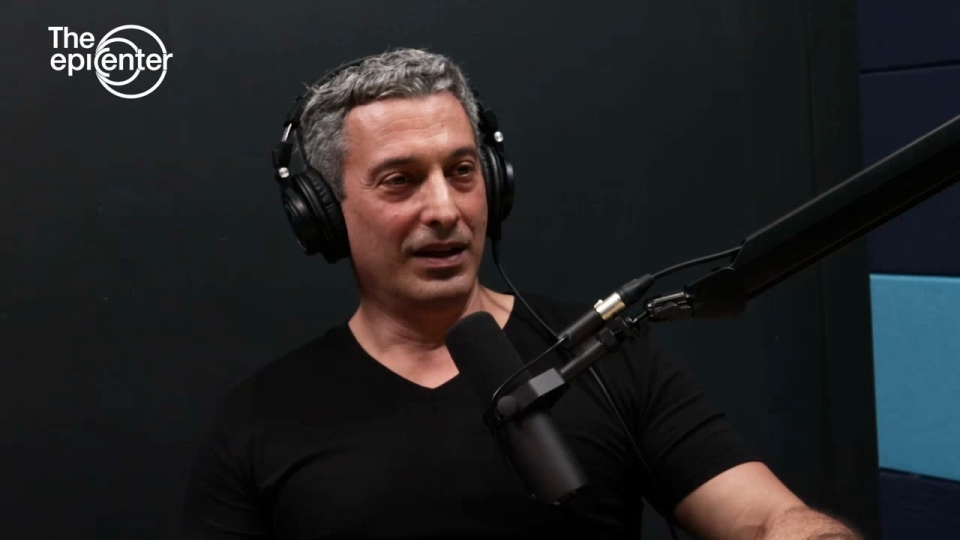
Sephi Shapira
0:00
0:00
Featuring

Sephi Shapira
Founder & CEO at FundableMethod

Episode summary
Sephi Shapira has founded and sold multiple companies across Asia, raised over $100M for his own ventures, and helped more than 100 founders collectively raise over $1 billion. In this conversation with Epicenter host Ronen Mense, Sephi dismantles the standard fundraising playbook step by step — explaining why sending your deck before a meeting kills deals, why meeting with associates is almost never a path to a term sheet, and why fundability is a quality of the founder, not the company.
The episode covers Sephi’s framework for category leadership: how to identify a narrow, defensible market position within a large TAM, and why “doing it better than competitors” is a losing pitch. He walks through real repositioning cases — including a female founder whose company went from “last mile logistics” to “the largest B2B e-commerce app in the US” in a five-hour meeting — without changing a single thing about the business. He also addresses the gender funding gap directly, arguing that the real path forward is behavioral, not systemic, and explaining what specifically changes when female founders start saying no to investors.
The conversation closes with Sephi’s legacy goal: to make the pay-it-forward mentoring culture a standard part of entrepreneurship, and to democratize access to venture capital as the single most powerful wealth equalizer available today.
Key highlights
On why investors reject deck-first founders:
“The primary reason investors ask for decks before meetings is they don’t want to meet the founder. And investors invest in people — they don’t invest in decks. If they don’t get a sense of who you are, there’s no way this is even the beginning of a conversation.”
On why ‘new’ always beats ‘better’:
“If you’re doing something new, you don’t have to persuade me — I’ve never heard about it. I’m like, ‘Oh my God, that’s interesting.’ The new always wins over the better. No matter how small this new feature is, you can build a story around it that differentiates you.”
Episode Timestamps:
*(00:00): Introductions — how Ronen and Sephi met in 1980s Taiwan
*(01:38): From representing Israeli tech companies in Asia to his first startup, InterChan
*(04:15): Building Massive Impact — hundreds of millions of users, SoftBank funding, sold to T-Till Group
*(06:45): EscapeX — decentralizing content ownership for musicians (before blockchain)
*(09:00): Why most founders misunderstand the VC fundraising process
*(11:40): The deck-before-meeting mistake — why it kills 50% of deals
*(13:28): Why meeting associates is almost never a path to a term sheet (Paul Graham quote)
*(15:00): How investors use their own process as a leadership test
*(17:00): Category design — the toothpaste example and the umbrella strategy
*(20:30): PayPal, Amazon, Snapchat: how the best companies led with narrow focus
*(22:00): The ‘new vs better’ principle — why feature differentiation beats incremental improvement
*(26:00): The book ‘Fundable’ — why Sephi wrote it and its two core frameworks
*(28:45): Chapter 1: Never let an investor control the process — controlling next steps
*(31:45): Chapter 6: Clarity and energy above all — the shared vision framework
*(33:52): Always lead with traction — the ‘eye of the director’ investor narrative technique
*(36:00): VC differences between the US and Asia Pacific
*(38:15): The 2% gender funding gap — reframing the problem from systemic to behavioral
*(41:00): Case study: repositioning a female founder’s company from logistics to B2B e-commerce in 5 hours
*(45:00): Legacy — paying it forward and making VC the ultimate wealth equalizer
*(47:45): Quickfire round — books, wine, dinner guests, irrational behavior
Transcript
[00:00:00] Ronen Mense: Welcome to episode 38 of Epicenter. Oh [00:00:15] my God, this is gonna be a good one. Um, but First Epicenter is an in-depth series of interviews with renowned business leaders and industry influencers, uh, who are shaping. Today’s digital economy. I don’t know if he’s still shaping today’s [00:00:30] digital economy. Maybe he is my guest.
[00:00:32] Mr. Sephi. Shapira. Sephi. Thank you for having me. What, what the Welcome to the show. Yeah. So, um, obviously not many people know who you are [00:00:45] because you’re a kind of like a social media, a media ghost. Um, but for those who want to know. Sephi here. And, uh, just, I’m gonna give away a little bit of, uh, clues. [00:01:00] Sephi and I have known each other for 40 something years.
[00:01:05] 43 years. 43 years. I just gave away my age and his, um, he Acqua hired my [00:01:15] company, me back in 2006. We built two mobile businesses together. And, um, he’s built many more things since then and, uh, probably one of the smartest people that I know on this planet. [00:01:30] Uh, but I’ll let Sephi fill into blanks. Tell us about your career and, and, uh, how you got to here today.
[00:01:38] Sephi Shapira: So maybe a, a, a first, uh, place to start is, is how we met. Yes. In, uh, the very early eighties, [00:01:45] very early eighties in Taiwan. Ah, that was nice. Yeah. Both of our families were relocated there in the early days. Yeah. Still under military rule back then. Yeah.
[00:01:54] Ronen Mense: Yeah.
[00:01:54] Sephi Shapira: And they guard on every bridge. I remember that.
[00:01:56] Yeah. Talking to their, their, uh, bags. Yes, [00:02:00] correct. And, uh, I think the major, uh, industry, there was, um, plastics and, uh, garments back then. Plastics. Yeah. Yeah. And then, um, in the nineties, uh, the manufacturers of plastics turned into manufacturing PC boards. That was one of the [00:02:15] interesting plastic to BC boards.
[00:02:17] Plastic to BC boards. Yeah. Yeah, yeah. So, um, so after growing up there, of course, uh, you know, I’m. I returned to Israel mm-hmm. To do my, my, uh, high school military service university and then, uh, back to [00:02:30] Asia in the late nineties where we started working together. Reconnected. Well actually
[00:02:35] Ronen Mense: you did something before we started working together.
[00:02:37] Sephi Shapira: Yes. I started by by representing, um. Israeli, uh, technology companies, uhhuh back then, Amdocs, converse, large [00:02:45] companies that had no activities or operations in, uh, in Asia at all.
[00:02:48] Ronen Mense: Mm-hmm.
[00:02:49] Sephi Shapira: So we, we opened the, the markets up for them.
[00:02:52] Ronen Mense: Mm-hmm.
[00:02:52] Sephi Shapira: I remember, um, approaching Amdocs, which was already a large company.
[00:02:56] At that time selling primarily in, um, in Europe, in [00:03:00] the United States. And I said to them, you know, can I, can I sell your, I was just outta college back then. I, I learned, um, software engineering and I said, can I sell, can I sell your product in, uh, in Taiwan? Mm-hmm. He said, where’s Taiwan? I said, it’s some island in the south of China.
[00:03:13] They said, you go over whatever you [00:03:15] want, kid. Like we, we don’t have any business there at all. And then, uh, yeah, we, we, we had the, we got them their first customer. In Asia Uhhuh, this was the early two thousands, had no activity. Far Stone. This like Farry Stone Telco. Yes, correct. The first deal they did in Asia.
[00:03:28] Wow. And then they [00:03:30] relocated, they opened offices and then they started to sell that. So they basically said, we’re opening office and you’re out. Yes, correct. Yeah. So that’s how I got started. Okay. Yeah. And then from there, there, the first tech company actually represented mm-hmm. A software company, uh, called Wise, [00:03:45] um, which we’re trying to sell to telecom carriers.
[00:03:47] Mm-hmm. And, um, the first company I started was actually implementing their technology across the, across Asia Pacific, which is how we started to work together. That’s right. That
[00:03:56] Ronen Mense: was inter, yeah. Inter chan back in the day. Yeah. And inter Chan for the record, was a [00:04:00] mobile content company.
[00:04:01] Sephi Shapira: Yeah. Mobile content.
[00:04:02] Bootstrapped it from zero to 50 million in revenue. Yeah. 10 million in profits and now without any investors. Old school took a bit of time, but, uh, the real way to build businesses then sold it to Eddie Max. Yeah. Yeah. That was the, that was the first, uh, the first gig, the [00:04:15] first thing we worked on together.
[00:04:16] Yeah. Then the second one, second one actually came out of the first. Remember, we were sitting on a very large database. Yeah. And we were trying to monetize it. Yeah. But we didn’t have the right technology, so we developed technology to have a data. We had hundreds of millions of [00:04:30] users and how to use that data to do effective marketing, and that was the second company.
[00:04:35] Massive impact. Massive impact. Yeah. Yeah. Yeah. Probably some people will know that name. Yes. Yes. Raised money from SoftBank. It was, it was an interesting experience. Yeah.
[00:04:43] Ronen Mense: Yeah. So that [00:04:45] was, that was the first venture backed company that you founded? That was the
[00:04:48] Sephi Shapira: first time I ever raised, I think it was oh five, raised from back then, one of the leading Israeli VCs, Germany.
[00:04:55] Mm-hmm. We raised, uh, that was the first VC I raised money from. Mm-hmm. And then, uh, Southbank came in. [00:05:00] Mm-hmm. Series B. And we ended selling up selling that company to, uh, T Till subsidiary. Right. T Till group, yeah. G Obi.
[00:05:08] Ronen Mense: Nice. And then since then, what have you been doing?
[00:05:11] Sephi Shapira: Well, in the last 10 years, [00:05:15] um, have been doing a lot of mentoring for, uh, for startup CEOs, um, a lot of female CEOs as well, and mostly helping them.
[00:05:24] Based on my insights mm-hmm. Raising a lot of money, raised over a hundred million dollars for the companies I founded mm-hmm. To [00:05:30] help them raise money, um, from, from venture capital and other investors.
[00:05:33] Ronen Mense: Mm-hmm.
[00:05:34] Sephi Shapira: And, um, I find it very interesting for a few reasons. Yeah. Um, one is that, um, the largest gap, gender gap that’s observed in the world right now is, is in venture [00:05:45] funding.
[00:05:45] Mm-hmm. So people always harp about, um, the 20% gap in, um. In pay gap between men and women, they say women earn like 80 cents on a dollar.
[00:05:54] Ronen Mense: Mm-hmm.
[00:05:55] Sephi Shapira: But if you look at venture, it’s 5000% less than 2% of uh, [00:06:00] financing goes to female founders. That’s terrible. It actually, yeah, it’s, it’s not just terrible. It’s actually completely flat over the last, it’s gross 10 years and it’s actually going down.
[00:06:08] So even now there’s more, um, female oriented, uh, venture funds and there’s a lot of awareness. This, it actually [00:06:15] has no effect whatsoever. And, and I thought that this was such an interesting phenomenon because it’s very rare that you see such disparagement, you know, between the genders and, and I thought this is worth investigating.
[00:06:25] And through this investigation, I came up with a lot of insights and, uh, I worked a lot of [00:06:30] founders, they all got funded. You know, some started from seeds, raised over a hundred million. So, so it’s been, it’s been fun. Yeah.
[00:06:38] Ronen Mense: Had a, you actually had another startup between. Doing that and, uh, massive impact,
[00:06:44] Sephi Shapira: right?
[00:06:44] Yes, correct. We [00:06:45] had another company called, uh, escape X. Yeah. Um, but so when we sold, um, interchange Yeah. Uh, we took part of the business Yeah. And we incorporated a new company. Mm-hmm. So, uh, and that was in, in the area of [00:07:00] social media? Mm-hmm. Yeah. Decentralization of social media. Yeah.
[00:07:03] Ronen Mense: Okay. And that, that company was actually kind of interesting, right?
[00:07:07] Because it, it was like almost the first. First version of what a musically or, or kind of like a [00:07:15] TikTok was gonna be?
[00:07:16] Sephi Shapira: Yeah, I, I, I think there was some similarity because our initial focus was on musicians. Right. Primarily, but I think the core idea. And social. And social, yeah. Yeah. Because musicians, if you look at the top, um, 100 most followed people online.
[00:07:29] [00:07:30] Half of them are musicians. Mm-hmm. Another quarter soccer players. Yeah. And then everything else is, uh, is remaining 25%. So the initial idea was really to. Decouple. The content that they’re uploading from the network. Mm-hmm. So [00:07:45] today, if, if you look at platforms like Facebook or Instagram, once you upload content to the platform, it belongs to the platform.
[00:07:51] Right. So you don’t own it anymore and they’re actually monetizing your content. Mm-hmm. And then people try to find alternative ways to, to make money. And, and we thought that that was, uh, that was strange. [00:08:00] So, um, so yeah, so that was the, the initial, uh, idea to de to decentralize social networking and to give, we called them the initial product, personally owned platform. Mm-hmm. Like a Pop, because it actually, it actually was on Instagram. But you own it on Instagram? Yeah. Okay.
[00:08:14] Ronen Mense: And [00:08:15] that was like, does this also kind of predated like the blockchain where decentralization kind of became commonplace, right? That you, you allowed musicians to actually own each time.
[00:08:28] Something got played, [00:08:30] something got shared. Something got sold. Right.
[00:08:32] Sephi Shapira: Yeah. So, so, so I think it’s interesting. Blockchain, decentralization is one level deeper.
[00:08:37] Ronen Mense: Yes.
[00:08:37] Sephi Shapira: We, we were decentralizing the ownership, but we still had an entity that managed the whole platform.
[00:08:42] Ronen Mense: Mm-hmm.
[00:08:43] Sephi Shapira: Right? With, with blockchain, there is no such [00:08:45] entity.
[00:08:45] Right. With blockchain, it’s, it’s basically open. Yeah. It’s completely open. So there is no ruling entity on, on the, at least the, the baseline. Mm-hmm. Blockchain on top of that, they build, you know, other platforms. Yeah. Okay.
[00:08:57] Ronen Mense: So you, you’ve talked about [00:09:00] several other things that I, I think will be interesting that we, we cover today.
[00:09:03] Um, one of those being mentoring, right? Mm-hmm. I think you’ve, you’ve mentored like over a hundred CEOs, um, helping to raise over a hundred million dollars in funding. [00:09:15] Um. One of the things that you’re particularly good at is helping a founder to actually understand more about their business, their business model, and what’s the category that they’re gonna compete in.
[00:09:27] Right? What, what are the, like the core [00:09:30] principles on how you do it. Um, and you know, even if you have an example of, of something that you’ve done that will be relatable to the audience to understand, I think it would be great to hear that.
[00:09:40] Sephi Shapira: Okay. One second. It’s a bit hot for me from the walk. Yeah, sorry.
[00:09:44] [00:09:45] Ah, yeah. Okay. There we have tissue here. It’s okay. Thanks. Um, so yeah, so, so, so first of all, just to clarify, I, I raised a hundred million from my own companies. I’ve raised founders, I’ve helped founders raise over, over a billion dollars, and I’ve worked with over, with over a hundred founders. Wow. [00:10:00] And, um, that I didn’t know.
[00:10:01] Yeah. I, I, I, I even wrote a book about, uh, my experience. Okay. We’ll talk about that too. Yeah. So. When I, when I started raising money, what I found out really quickly is that when I actually made deals mm-hmm. With [00:10:15] venture capitalists, when I actually got funded, the process looked nothing like what I was told the process should look like.
[00:10:21] Ronen Mense: Mm-hmm.
[00:10:22] Sephi Shapira: So, so when, um, an early stage company goes to raise money, they have a certain. Vision of what the process is gonna look like. Okay. They create an investor deck, [00:10:30] then they reach out to investors. The investors, you know, ask them to send the deck in advance. They send it. Then they meet an associate or an analyst for an initial filtering meeting.
[00:10:39] That’s the process in their head, right? And then he introduces them to the decision makers. They have discussions with them. [00:10:45] They present, they, they meet them, they present their slides, and then it leads to, to getting an offer. The thing is, the deals that I actually did looked nothing like it. Usually it was a warm introduction to a decision maker, directly [00:11:00] meeting in a coffee shop, having an open conversation without any slides.
[00:11:04] They get the idea, we talk about the deal, they introduce me to a few other partners. Sure. At the end, there’s the presentation and the deal is closed. And then I realized that this [00:11:15] misunderstanding of how to raise money mm-hmm. In almost every step of the process is preventing from a lot. Preventing a lot of people from, from, from getting funded.
[00:11:24] Mm-hmm. So I decided to kind of tell my story and then test it out another other companies to see that it works and [00:11:30] develop. It’s like a
[00:11:30] Ronen Mense: non-linear, like the, the idea of like a linear process to get funding is completely out, out of the, it’s
[00:11:36] Sephi Shapira: completely out. And more moreover, there are very fundamental mistakes, right.
[00:11:40] That people make. Like, I’ll, I’ll give an example. Okay. Like sending your company deck [00:11:45] uhhuh and presentation to an investor before the first meeting.
[00:11:48] Ronen Mense: Mm-hmm.
[00:11:49] Sephi Shapira: This kills, I would say. 50% of deals. Mm-hmm. There’s a few reasons. One is the primary reason that investors ask, ask for decks before meetings is they don’t wanna meet the founder.
[00:11:59] [00:12:00] Right. And they don’t wanna meet the founder ’cause they’re not interested in the, in the idea or they’re not interested in, in the segment. That’s, that’s the first point. The second is, it’s impossible.
[00:12:08] Ronen Mense: Mm-hmm.
[00:12:09] Sephi Shapira: To understand what an early stage or a startup does from, from an investment tech. It’s impossible,
[00:12:14] Ronen Mense: right?
[00:12:14] Sephi Shapira: Even if you look at [00:12:15] the best companies in the world, you can’t present it. You need to have a conversation, right? You need to ask questions, you need to clarify, and you also need to see like the product, how it works. Okay? So by sending it in, in, in advance, um, you, you, you lose the [00:12:30] ability to, uh, to explain. The, the third thing is that.
[00:12:34] Investors invest in people. Mm-hmm. They don’t invest in decks. Yeah. Or in or in some legal entity. Yeah. Especially at this stage. Right. EE exactly. This stage. Exactly. So, so if, if you’re not meeting the investor [00:12:45] and they don’t get a sense of who you are, there’s no way that this is even the beginning of the conversation.
[00:12:50] There’s more. Mm-hmm. Most people that get these documents spend, there’s actually, um, a service online that tracks how much time investors spends on decks. Mm-hmm. And it was, uh, it, it, it was [00:13:00] like three or four years ago. It was three and a half minutes. Now it’s like down to. Two minutes to 20 seconds.
[00:13:04] Ronen Mense: Uhhuh,
[00:13:04] Sephi Shapira: that’s like that they spend, they spend like 120 seconds, 140 seconds on the deck. They don’t even read it. They go directly to two or three slides. So that’s one example. Right? Yeah. And, [00:13:15] and, uh, when you don’t do that, when you start saying no to sending decks, then it, it, it both filters out investors that are not interested and the ones that are it get, it increases the probability of, uh, success.
[00:13:26] Mm-hmm. So that’s one basic mistake. I would say the second most common mistake is meeting [00:13:30] non-decision makers. Mm-hmm. Like meeting analysts or associates sometimes, you know, in their early twenties, just outta college with zero ability to even assess. Mm-hmm. If a company is interesting or not for sure.
[00:13:41] No decision making capabilities. Right. And I think there’s a quote from, [00:13:45] uh, Paul Gda, one of the co-founders of Y Combinator. He says that outta 6,000 deals, he’s not aware of one. Deal. That started with an associate reaching out to startup. It’s, it’s a quote. You can look online. So it’s just, it’s so, if you’re starting that way, Uhhuh, there’s no way it’s gonna lead to a [00:14:00] deal.
[00:14:00] But the vast majority do that. Why? Because they follow the process. Why did that associate reach out
[00:14:06] Ronen Mense: to founders for deals.
[00:14:09] Sephi Shapira: I, I, I, I think that it’s a deeper problem than that Uhhuh. I think it’s a misunderstanding of what [00:14:15] investors look for. Okay. Investors wanna invest in leaders, right? They don’t want to invest in followers.
[00:14:20] Okay? Okay. So one way to look at it is when they’re giving you instructions. They’re checking if you’re a leader or not. Mm-hmm. They’re checking if you’re just gonna obey and comply [00:14:30] their process, or you’re gonna do what you think is right for the company. So it’s actually a test. Mm-hmm. Right. It’s a test.
[00:14:35] If, if you just follow every step of the process, they’re, they’re gonna lose interest in you because they say, this guy’s not a leader. Okay. This guy doesn’t do things the way he, he thinks they should be done. He’s just doing what he’s [00:14:45] told.
[00:14:45] Ronen Mense: Mm-hmm.
[00:14:45] Sephi Shapira: Right. And this connects back to the original point I made, which is in my experience.
[00:14:51] One of the major reasons that female founders struggle to get funded is because they tend to obey the investors’ instructions and [00:15:00] just do whatever they’re told. So if they’re told to send all their information upfront before a meeting, they’ll just send it all.
[00:15:05] Ronen Mense: Mm-hmm.
[00:15:05] Sephi Shapira: Because it’s very hard for them to say no.
[00:15:07] And usually to me them, because syndicator of a female founder on the path to get funding is when she starts saying [00:15:15] no to investors.
[00:15:15] Ronen Mense: Mm-hmm.
[00:15:16] Sephi Shapira: Usually things change very quickly and they see the results and then they’re like, oh my God, it actually works.
[00:15:20] Ronen Mense: Mm-hmm.
[00:15:21] Sephi Shapira: It’s a really beautiful thing to see.
[00:15:22] Ronen Mense: Yeah.
[00:15:23] Wow.
[00:15:23] Sephi Shapira: So
[00:15:24] Ronen Mense: let, let, let’s go back to, um, so you talk about the funding process, but [00:15:30] like a lot of founders have come to you with, Hey, this is my business, and you say you completely in the wrong category or the way you’re, that you’re defining your business model is incorrect.
[00:15:39] Sephi Shapira: Yes. So I’ll give you one example, um, of how I experienced this in my own [00:15:45] career.
[00:15:45] Okay. Okay. So the third startup I founded originally was called Escape Music. And, and the reason was. Because we were focused on social media influencers and 50% of the top are a hundred were musicians. So we thought that’s a large [00:16:00] enough category to focus on. What I did not know at the time is that the, the music technology is toxic.
[00:16:07] Mm-hmm. In the VC world. And the vast majority won’t touch it. Mm-hmm. And the reason is that even the most successful companies like Spotify, years after IPO still losing money. [00:16:15] ’cause anybody that deals with the record labels mm-hmm. With technology can’t really make any money. You can try to find examples.
[00:16:21] You won’t find almost any of them. So this was already after I sold my second company. So I had my network of contacts and I, I created a beautiful kind of [00:16:30] description, high level. And I sent it out to 15 VCs. And I basically immediately got like 14 rejections saying we don’t invest in the music industry.
[00:16:38] But when I thought about the core of the business, it wasn’t really music related, it was just the first category was musicians. Right? So I said, [00:16:45] okay, I get it. I get the feedback, and I just changed the name of the company from Escape Music to Escape X. Mm-hmm. Or X represents the network. Yeah. Escape from the networks.
[00:16:53] I didn’t change anything else. Mm-hmm. Basically, I just still, this was the first target, but I was talking about [00:17:00] influencers and then we’ll go after our other targets, and then I sent out another. 15 emails and I got 12 meetings. Mm-hmm. And three term sheets. And we, we got, we got the company funded. So this is an example of sometimes positioning mm-hmm.
[00:17:13] The company correctly in terms [00:17:15] of, because the attention span of investors is very, very narrow. Right. They don’t have time to understand like, oh, this is just, uh, the surface layer description. They associate you with something, they put you in a box and that’s the end of it. Right. So, so that’s one example of the importance of clarity.[00:17:30]
[00:17:30] In your messaging and aligning with the expectations of investors and what they’re interested to invest in,
[00:17:34] Ronen Mense: how do you, how do you help other people that your, your founders, men that you’re mentoring, how do you help them to break this categorization down? Right? Because it’s not the, I [00:17:45] mean, is there a process that you go through?
[00:17:46] Yes. Yes.
[00:17:47] Sephi Shapira: There is a process. Uh,
[00:17:47] Ronen Mense: I
[00:17:48] Sephi Shapira: think that. There’s, um, analytic parts of the process. Yeah. And then there’s an, an artistic parts of the process. Okay. So the analytic part is that as a rule of thumb, investors, especially VC [00:18:00] investors, tier one, they look for a company that can generate at least a hundred million dollars of top line revenue.
[00:18:08] With less than 1% market share. Mm-hmm. Ideally less than half a percent market share, which means you need a total adjustable market of at least $20 [00:18:15] billion. Mm-hmm. Anything under that, they’re not gonna be interested. Mm-hmm. And the bigger the better. ’cause they wanna know that even by focusing on a very, very narrow segment mm-hmm.
[00:18:22] Within your market, you can generate. Okay. Which means that if you’re targeting a very large market, you actually have room for very, very narrow [00:18:30] focus initially. Mm-hmm. And this is really the key to, um to category leadership. The, the example I give in my book, which I think is, is easiest to understand, and then I can give you specific examples.
[00:18:41] ’cause every case is different, is I say, okay, let’s say I wake up one day I had a [00:18:45] dream, and now my, my life’s goal is to sell toothpaste. Okay. Okay. That’s just not my, my new objective for life and, and I want to create like a global leading. Uh, toothpaste company. Okay. Okay. But I’m competing with Colgates and Crest and companies that have been around forever.
[00:18:59] [00:19:00] Like name brands, people are used to them. So where do I start? So I look for something that doesn’t exist. So, for example, I find out that there is no such thing as toothpaste just for pregnant women. Mm-hmm. It doesn’t exist. There’s no such products in the market. Okay. Okay. So I created. I [00:19:15] create toothpaste that is only for pregnant women.
[00:19:17] Mm-hmm. And I create the correct attributes for it. Mm-hmm. Like the super high safety, you know, nutritional value, all this type of stuff. And then I go after that segment. Mm-hmm. And I basically tell them, how dare you use anything else. Mm-hmm. Like, [00:19:30] you’re endangering your child fluoride, so on and so forth.
[00:19:33] So this very narrow focus mm-hmm. Enables me to define myself as the leading toothpaste for pregnant women in the world. Mm-hmm. Because I’m the only one. I basically created a new category. And then I go after that [00:19:45] market. And then the next step is after I’ve acquired that market by very targeted, focused advertising, I have something called the baby soap effect.
[00:19:55] Mm-hmm. So if you look at baby soap today, that’s sold in, uh. Everywhere. A [00:20:00] large percentage of consumption is by adults.
[00:20:01] Ronen Mense: Mm-hmm.
[00:20:02] Sephi Shapira: They just use baby soap. ’cause if it’s good for babies, for sure, it’s good for me. Okay. Right. And then it’s the actual attributes of the product that define your, your customer, wondering why it smell like baby soap.
[00:20:12] Exactly. So, um, [00:20:15] so then people say like, well, you know, if it’s so safe and so good, then it’s also good for me. So then the second stage is you, it’s got the umbrella strategy, right. Put the umbrella and then you open it. When it’s inside, you expand based on the attributes, so you’re no longer limited. By your category.
[00:20:29] And [00:20:30] if you look at a lot of the most successful companies in the world, you’ll see this pattern. Like, um, take for example, um, uh, PayPal. Okay. Okay. So PayPal’s initial user base was 20,000 customers. Mm-hmm. There were power users on eBay. So these are people that [00:20:45] would cut off a limb to get online payment.
[00:20:47] Ronen Mense: Mm-hmm.
[00:20:47] Sephi Shapira: There’s just 20,000 of them and they acquired I think over 50% market share in a few months. But they focused on a very, very narrow segment. Yes. And then expanded, and of course books with Amazon. There’s, there’s so many other examples of, of this type of strategy. So this is, [00:21:00] I would say the analytic part of category leadership.
[00:21:05] Which is getting the right numbers and getting a market segment that’s as focused as you can, but large enough to get going. And then there’s the artistic part. The artistic part is looking at your [00:21:15] product what capabilities does your product have or what features does it have that differentiates?
[00:21:21] Ronen Mense: Mm-hmm.
[00:21:22] Sephi Shapira: And here the example I like to give is Snapchat. Okay. So Snapchat has like a 99% overlap with other social platforms, right? But [00:21:30] it targeted a specific feature that didn’t exist at the time, which is disappearing messages, right? But we all know who wants it and for why. Okay? Yes. That’s just, uh, self-evident, right?
[00:21:38] And, and they leveraged it, uh, for long enough to, to get a significant market share. And they IPO for I think, uh, you know. [00:21:45] 10, $20 billion. Right? So this is an example of a feature that defines like, and then now everyone has disappearing messages. WhatsApp has it, Instagram has it, Facebook has it, everyone has it, right?
[00:21:54] Everyone’s developed it, but they caught onto it quick enough and, and they position their whole company around that [00:22:00] and they, they gain market share. So this is also something that’s very counterintuitive to, to a lot of, um. Founders. Mm-hmm. A lot of founders try to do things better. Mm-hmm. Like their positioning is we do whatever other competitors do, but better that fails.
[00:22:14] Yeah. Nobody [00:22:15] cares. Yeah. First of all, what is better? How do you know it’s better? It’s your opinion. How do you measure it? Objective, subjective, right? Yeah. And you have to persuade me, my mom, but if you’re doing something new, you don’t have to persuade me ’cause I never heard about it. Right. I’m like, oh my God, that’s interesting.
[00:22:28] Right? So, so I always say that the new [00:22:30] always wins over the better. And no matter how small this new feature is, you can build around it. You can build a story that differentiates you. And, and I think that’s the art part, is to look at a very complicated product, which has a lot of features and find one [00:22:45] or two things, um, that actually differentiated.
[00:22:48] Yeah. And,
[00:22:49] Ronen Mense: and what does, what does your mentoring. Like, do you have a model for mentoring? Uh, is it a series of like, uh, conversations, uh, that, that you [00:23:00] kind of, uh, program with the, the, the, the founder or, or, or how does that work?
[00:23:05] Sephi Shapira: Yeah, so e every case is different because every company’s in a different stage.
[00:23:09] Yeah. Some companies, um, I work with already have a product. Mm-hmm. Some of them even haven’t [00:23:15] paying customers, but they just can’t get the story out. Like the story is too industry specific. So the customer gets it, but then the investor doesn’t get it right. There’s always a gap between the customer and the investor because when you solve for a specific need that the customer [00:23:30] has, he immediately recognizes.
[00:23:32] The value he sees, it says I need it, but the investor doesn’t have the need of the customer. Mm-hmm. So they look at it and they don’t understand what need, what need, what needs it answering. Right. So in those situations, it’s really just being able to explain the [00:23:45] story better. Some companies, um, have um, an interesting idea that’s not proven yet, but their story just doesn’t connect, you know, and sometimes it’s even.
[00:23:58] Who is doing the pitching? Like I’ve had [00:24:00] examples where there’s, there’s a bunch of co-founders and the co-founder that actually can pitch is not the one pitching it. Mm-hmm. And you have to like switch. You just have to say to the ceo, like, listen, you’re really good at this, but you just are not fundable in that way.
[00:24:13] Mm-hmm. You have to, and, and this [00:24:15] goes back to again, one of the core, I would say most fundamental misunderstandings with fundraising is that fundability is a quality. Of the founder, not the company. You know, it’s not the company itself that’s fundable, it’s so if you get someone that [00:24:30] has really good fundraising skills, you can put in basically in almost any company is gonna get it funded
[00:24:34] Ronen Mense: and, and do you see like founders who are two or three X founders?
[00:24:39] Being in a better position of, of building a successful company? Or, or do you think what a one X [00:24:45] founder has equal chance?
[00:24:46] Sephi Shapira: Yeah, so for sure experience helps. Mm-hmm. Especially failure, I would say help success less. Yes. I’ve, I’ve seen actually the largest failures, uhhuh in repeat success founders. Okay.
[00:24:56] ’cause they’re very successful and then they go out there thinking, you [00:25:00] know, and then they feel like they’ll fail, like many more times are much bigger than their success. Mm-hmm. Because they have the track record. And also people look at you less carefully. You know, when, when you have success and also they put their own money in there.
[00:25:13] But failure definitely helps. I mean, the [00:25:15] statistics I think are a 70% higher chance of succeeding in your second company. If you failed in the first one, would, would you fund
[00:25:20] Ronen Mense: the uh, Adam Nerman, the guy who
[00:25:22] Sephi Shapira: founded We Work? I’ve actually, I’ve actually, um. There, there, I, I saw, um, an interview with him that just came out recently.[00:25:30]
[00:25:30] The guy is very, very slick. Uhhuh. I mean, I saw how he answered all the questions. Yeah. I mean, I think I recommend to, to, to, to look it up and watch it. I think it’s a masterclass for, uh, for founders on how to handle [00:25:45] situations like this. Really, the guy, I give him a 10, outta 10.
[00:25:47] Ronen Mense: Mm-hmm.
[00:25:47] Sephi Shapira: You watch him and it’s, it’s very hard not to like him.
[00:25:49] And the way he answers things, he doesn’t really answer them. Yeah. But the way he doesn’t answer them is, is perfect. And of course you walked away with, with over a billion dollars.
[00:25:58] Ronen Mense: That’s the art of not answering the [00:26:00] question.
[00:26:00] Sephi Shapira: Yeah, yeah.
[00:26:00] Ronen Mense: No,
[00:26:00] Sephi Shapira: but, but he does It really,
[00:26:02] Ronen Mense: I, I really recommend you, you go watch it.
[00:26:03] Yeah. Okay.
[00:26:04] Sephi Shapira: Yeah.
[00:26:05] Ronen Mense: Well, we’ll, we’ll, we’ll put that in the show notes somewhere. We’ll go find it. Yeah. Uh, and that right on a palm. Yeah. Yeah. Okay. Good. You heard us. Um, [00:26:15] awesome. So you, you, uh, you decided to write a book? Yes. Um, fundable. It was about two years ago. Yes. And basically documenting [00:26:30] all your experience in, uh, working with founders, raising money for three, four companies, I don’t know that you founded.
[00:26:38] And, and of course, uh, a hundred, what $1 billion that you founded, uh, helped other [00:26:45] founders raise. Um. Obviously you, you wanted to, was this part of you giving back? I mean this, why, why did you decide to write this?
[00:26:54] Sephi Shapira: Yeah, so I, I guess the, the initial thinking was I was repeating [00:27:00] myself so many times. Mm-hmm.
[00:27:01] I was just basically saying the same things over and over again when I was helping, uh, founders. So I said, I’ll write it down and I’ll send them to kinda read the book. Before they talk to me, it’s gonna save me a few hours of, uh, repeated conversation. So [00:27:15] that was the original thinking. And then when I’m writing the book, I really focused only on counterintuitive aspects or knowledge that goes against the grain when fundraising.
[00:27:26] So there’s nothing in that book that’s, that’s, um. [00:27:30] Agreeable to current processes. And every chapter originally was like a, you, you challenged the whole status quo there. Yes. I, I, I really focused empirically on what works and every, every chapter starts with a story. Right. Which is a true story. Yes. And, and one of my [00:27:45] founders, or something I experienced myself, which shows how the principle or the common knowledge is incorrect.
[00:27:52] Ronen Mense: Mm-hmm. Yeah.
[00:27:53] Sephi Shapira: And then, and it also ends with the story of a company that I. I mentored from seed stage to raising over a [00:28:00] hundred, uh, million dollars. Yeah. So it was
[00:28:01] Ronen Mense: That’s awesome. We’re gonna talk about that. But like, you, you, you have like this kind of, these ironclad rules, right? That you talk about? Yes.
[00:28:09] What, what are some of those rules? Or is there cliff notes that, uh, you can do Yeah. Kind of like, [00:28:15] Hey, I mean, we’re doing a podcast. People can just listen to this and then don’t need to read the book after, right? Yeah. Yeah.
[00:28:20] Sephi Shapira: I, I did a GI did, I did A-A-G-P-T on it, and g PT is called, uh. The fundraising, you can check it out.
[00:28:26] So, so you can ask it questions, give you all the answers.
[00:28:29] Ronen Mense: Uh, [00:28:30] GPT, right? Not, not the Gemini. ’cause we’re not No,
[00:28:32] Sephi Shapira: no,
[00:28:32] Ronen Mense: not Gemini. No work
[00:28:33] Sephi Shapira: version. No, no, no, no. Work version. So, yeah. So some of the rules we spoke about, but the book is basically separated into two parts. One is, um, basically the attitude Yeah, we need is, is, um.[00:28:45]
[00:28:45] As a fundraiser. And the second is, uh, um, the concept of, of how you focus the process. Right. And chapter, chapter one and chapter six are the most important, which is chapter one is never let an investor control the process. Mm-hmm. And I [00:29:00] think that the message here is very simple, is that you’re the captain of the ship.
[00:29:04] Okay. You should decide in every stage, step of the process how the funding process works and you should control it. Mm-hmm. So I’ll give you an example. One of the most common examples I deal with, right? [00:29:15] Usually there’s a meeting, you meet an investor and then he says, okay, thank you very much, and then you walk away, and then the founder calls me a week later, says, oh, I haven’t heard from the investor.
[00:29:23] What should I do? Mm-hmm. I say, you shouldn’t even be in that situation. Mm-hmm. You don’t walk away from a meeting without a clearly defined [00:29:30] next step.
[00:29:30] Ronen Mense: Mm-hmm.
[00:29:31] Sephi Shapira: So you, you, you, you take the last 10 min minutes of the meeting, you say, thank you. I presented everything I wanna know about your process. Mm-hmm.
[00:29:37] And he says, okay, we have a meeting once a week, meet the partners, we discuss it, and then you say, that’s cool. So when’s your meeting on Monday, I’ll reach out to you, you know, end of the day to get the [00:29:45] feedback you define mm-hmm.
[00:29:46] Ronen Mense: The
[00:29:46] Sephi Shapira: next step. Mm-hmm. So you walk away knowing the next step. You don’t leave them.
[00:29:51] With the decision on what to do next. Now, if they push back on it and say, no, no, no, don’t contact, contact us, then they’re just not interested.
[00:29:57] Ronen Mense: Mm-hmm.
[00:29:58] Sephi Shapira: So if, if, if, if the [00:30:00] investor doesn’t commit to a clear next step mm-hmm. You can’t walk away from a meeting, that’s an example of, of controlling the process.
[00:30:05] This is
[00:30:05] Ronen Mense: sales 1 0 1, right. You don’t, yes. You don’t end a sales call without a next step.
[00:30:10] Sephi Shapira: Correct. That, that sells 1 0 1. But here it’s even, it’s even more important [00:30:15] because in the sales process you are. Then what the sales person is looking for is, is value. Mm-hmm. They’re trying to buy a specific product and they understand the needs mm-hmm.
[00:30:25] Uh, that they have. And if you’re answering the needs, okay. Probably better than you. Yeah. Or the same level of view. [00:30:30] But investors, it’s different. ’cause the investors don’t understand your company,
[00:30:34] Ronen Mense: okay?
[00:30:35] Sephi Shapira: They don’t understand your customers and they have no bandwidth or interest to understand these things.
[00:30:40] They’re evaluating you.
[00:30:41] Ronen Mense: Mm-hmm.
[00:30:42] Sephi Shapira: No. So, so the difference is when you’re selling, you’re selling a product, right? And if a [00:30:45] product doesn’t answer the need of the customer, you can be the sales best salesperson in the world. You’re not gonna buy it.
[00:30:49] Ronen Mense: Yes.
[00:30:49] Sephi Shapira: So it’s a material rational discussion about features and functionalities with an investor.
[00:30:53] It doesn’t material about it. You know, they’re not gonna assess your company’s ability to succeed or whatever. [00:31:00] They’re venture capitalists. You know? They’re judging you. They’re judging you. They’re judging you. They’re judging you around your ability to lead and to make decisions and to control the process.
[00:31:08] So I would say that’s the most important thing. And again, circling back to the first point of female founders, this is where female founders [00:31:15] struggle the most. Mm-hmm. To actually, you know, lead the process, control the process, and then when an investor asks you for unreasonable things to say no.
[00:31:23] Ronen Mense: Mm-hmm.
[00:31:24] Sephi Shapira: You know, like to say, this is not the stage that I need to provide this information. I need to get more commitment from you regarding your intention to [00:31:30] invest. And then we can discuss, it’s very hard for them to say that they think that just by, you know, appeasing. So, so that’s, uh, one example, the, the second chap, a part of the book, which is called, um, prioritize, um, [00:31:45] clarity and energy above all.
[00:31:47] Ronen Mense: Mm-hmm.
[00:31:47] Sephi Shapira: Which means that if people don’t understand what you’re saying, it doesn’t matter. What you do, they just don’t understand. Mm-hmm. And this is, you’d be surprised, but the vast majority of founders, if you ask them the [00:32:00] CEO, what does your company do? He’ll talk to you for 15 minutes. Mm-hmm. And at the end of it, you’re not gonna be sure.
[00:32:04] Ronen Mense: Right.
[00:32:05] Sephi Shapira: They, they, they, most CEOs don’t have an ability to crystallize and distill the core value of the company into, into a single coherent sentence. Is, is that? [00:32:15]
[00:32:15] Ronen Mense: Blanket or if you find more engineering CEOs, then they, they can get lost in their product. I would say.
[00:32:22] Sephi Shapira: I would say it’s a blanket statement.
[00:32:24] Now, of course there’s exceptions, but again, you can try it out. I mean, [00:32:30] ask, you know, 10 founders what their company does, and see how many of them answer you in a single sentence in a way where you understand it. Mm-hmm. Is very rare. Okay. And then what happens is. When investors are, they really struggle to understand what you’re doing and they just [00:32:45] lose, you know, the energy and the will to do it.
[00:32:47] Right. So I think that it’s much more important to be coherent than anything else. And then the second part, I think that this chapter focuses on is that [00:33:00] the decision making process of an investment usually has two separate stages. The first is, we call it shared vision. Mm-hmm. Which means you need to describe.
[00:33:08] The future that I buy into. Mm-hmm. So you’re, you’re describing a solution that needs to exist. Mm-hmm. It has nothing to do with you [00:33:15] or your company or what you’re specifically doing. It’s just the vision of the future. It’s like me telling you, you know, there’s gonna be humanoid robots
[00:33:21] Ronen Mense: mm-hmm.
[00:33:22] Sephi Shapira: In, in the streets of Bangkok.
[00:33:23] In a hundred years you’ll be like, yep, it’s gonna happen. Yeah. Right. And then after the investor [00:33:30] buys into the vision. Only then they shift their attention to say, can you be the guy doing it? But the catch here is that if you describe your vision very clearly and portray material knowledge, you’re also persuading me that you can execute on it.
[00:33:42] ’cause there’s a direct relationship between the clarity of [00:33:45] your vision mm-hmm. And your ability to execute.
[00:33:47] Ronen Mense: Right. Talk about execution, because a lot of times they say, what’s the track record? Right? Yes,
[00:33:52] Sephi Shapira: yes, yes. So, so here’s another one of the chapters, which is called Always Lead With Traction. Mm-hmm.
[00:33:58] Right? So one of [00:34:00] the most important things that investors, um, realize is it’s, it’s a much easier, um, question to answer. Is this team executing? Then, is this a good idea? Mm-hmm. Because you can, you can observe execution if an idea is good or not. [00:34:15] It’s, it’s subjective opinion, but if the team is executing you, you know, they, they can deliver.
[00:34:19] So therefore, no matter how small detraction is, it’s, it’s always good to lead retraction. I’ll give you a specific example, right? Think about where your brain goes to, if, if a founder comes [00:34:30] to you and says like, I’m gonna acquire a hundred thousand customers. Okay. Immediately your brain is like, are they, are they going to acquire a hundred thousand?
[00:34:36] How are they gonna do it? Can they really do it? Right? You start to be skeptical
[00:34:39] Ronen Mense: how much,
[00:34:39] Sephi Shapira: but, but if they say to you, we’ve acquired a thousand customers. Mm-hmm. Even though it’s 1% [00:34:45] right. Your brain goes to money. How do they acquire these people? Like, why are they succeeding? Mm-hmm. And if you put the investor into the frame of why you’re succeeding, you’ve already basically controlled the narrative of the conversation.
[00:34:56] And, and it, it, it really goes to a much deeper truth here where, where [00:35:00] it’s, it’s almost impossible to pERSUADE investors or to change their mind about anything, but it’s much easier to control what they’re thinking about to shift their attention. Right. I call it the eye of the director. You know, it’s like when you’re watching a movie, right?
[00:35:14] The director [00:35:15] can’t control what you think about the movie, but they can control the focus on the lighting so that on the big screen they can control where you’re looking at at the screen. Like if they want to show you a small little vase in the size of the room, you know, they’ll make it that clear into the zoom and they’ll put lighting on it and you’re gonna look at it.
[00:35:29] Right. [00:35:30] And I think it’s the same with investors. You can shift their attention to certain areas, but you can’t control what they think about it. So if you shift to traction, for example, or to previous success, or so on and so forth, then they’re gonna focus on that. And once the narrative is, why is this working then?
[00:35:44] And once [00:35:45] the investor starts to explain to you why your company is gonna be successful, that’s basically a win already. Mm-hmm.
[00:35:50] Ronen Mense: And since we have a, a pretty wide listenership across apac, um, when talking to [00:36:00] investors, do you feel like VCs in, in Asia are different than the VCs in, in the US or in Europe?
[00:36:09] Sephi Shapira: Yeah, I, I would say there’s a, there’s a few differences. I mean, every region is different and every VC is different, right. So we’re gonna [00:36:15] be very, very much generalizing. Right. Okay. So first of all, just from a numerical perspective, half of venture capital is the United States. Okay. And the rest of the world is, uh, is another half.
[00:36:25] And, um, and the US has all stages and all types of, uh, of venture [00:36:30] capital. But, but the largest venture capital firm, SoftBank. At least the vision fund came, you know, out, out outta Japan. Right? Yeah. So there’s always exception. So, so I would say the, the, the few major differences are, one, most US VCs are US [00:36:45] centric.
[00:36:45] Mm-hmm. Right? Which means they want to see operations in the us, they wanna see a team in the us right? And most large VCs in, uh, in Asia are regional. ’cause with exception of maybe India, China, and [00:37:00] Japan, most markets are not large enough. To, you know, to build a large company on. So, so they, they wanna have regional, regional activities.
[00:37:08] Also, I would say one of the major differences is the approach to innovation.
[00:37:11] Ronen Mense: Mm-hmm.
[00:37:12] Sephi Shapira: I think in [00:37:15] Asia it’s much more common to take existing models and just implement them in, in the region versus to create, so sometimes I feel like they expect like core innovation to happen in the US so they pay for all the mistakes, you know, and then once the [00:37:30] thing is mature enough, they kind of, uh.
[00:37:33] Take a version of it and, and localize it and customize it. I, I would say that that’s, I think that’s a generalization, but I would say, because if you think about core technologies, you know, look at this AI revolution right now. Mm-hmm. Okay. With [00:37:45] with generative ai. Okay. Yeah. Where is it coming from? Where is it coming from?
[00:37:47] Yeah. Okay. And you, you look at before that, you know, social media revolution, where’s it coming from? And the, the companies that appear in the region come a few years later and then they learn from all the mistakes, which I think is a smart strategy, you know, because you, you [00:38:00] definitely, uh, have someone else pay for tuition, you know, it’s always good.
[00:38:04] Yeah,
[00:38:04] Ronen Mense: yeah. Um, so. You, you, you, we talked about something earlier, about 2% of, uh, women founders [00:38:15] getting early stage venture capital funds, right? Yes. Or getting funded. Um, how do we fix
[00:38:21] Sephi Shapira: this? Yeah. So, so I think, I think your question includes some of the problem. In the question itself, like how do we fix it?
[00:38:29] Right. Right. Two [00:38:30] men sitting here talking about how to fix women’s problems, right?
[00:38:32] Ronen Mense: Yes. And you, you, you’re a man who’s preceded many other men here on the show. Yeah. So, yeah. Yeah. It’s definitely something that we need to fix.
[00:38:38] Sephi Shapira: Yeah. So, so I, I think a large part of it is [00:38:45] reframing the problem. Mm-hmm.
[00:38:47] Because I’ll tell you a funny story. So, so I was introduced once to. Um, a woman that runs this, uh, forum online forum of, uh, of women entrepreneurs, like 6,000 women, [00:39:00] and I told her about my book. I told her about the success. I had with founders where basically every female founder I worked with that didn’t give up mm-hmm.
[00:39:07] Got funded. A hundred percent of them get funded. Mm-hmm. Okay. And I told her about my approach and she actually was quite upset with it. Mm-hmm. She said, wait a minute, you’re [00:39:15] saying that this is not because of some sexism and patriarchy, and this is not like discrimination against women. You know, you’re saying it’s the women that actually have to change their behavior.
[00:39:23] And that’s like, you know, if you say something like that in the US you know you’re gonna get attacked for it. Mm-hmm. Like, but why? [00:39:30] You know, because I think there’s this. Inclination to blame the system.
[00:39:35] Ronen Mense: Mm-hmm.
[00:39:36] Sephi Shapira: You know, but venture capitalists just wanna make money.
[00:39:39] Ronen Mense: Mm-hmm.
[00:39:39] Sephi Shapira: You know, they’re, they’re not gonna pass in a good idea and a good founder if they think it’s, it can make them money.
[00:39:44] So I, I don’t [00:39:45] think that they’re not investing in women ’cause they’re women.
[00:39:48] Ronen Mense: Mm-hmm.
[00:39:48] Sephi Shapira: You know, and this problem, by the way, also happens to me with founders. I, I coach, at least in the beginning of the process, it happens to me a lot where they, they, they come back from some meeting and they say, oh, you know, [00:40:00] the VC told me like.
[00:40:01] You’re, you’re too ambitious or something. They would never say that to a man. Mm-hmm. I said, I said, don’t think that way.
[00:40:06] Ronen Mense: Mm-hmm.
[00:40:06] Sephi Shapira: It has nothing to do. Mm-hmm. With that, and I’m not saying there are not some, some venture capitalists that might have these ideas. I’m saying that that’s not a path [00:40:15] to a solution.
[00:40:15] Mm-hmm. The path to a solution is to adopt your behavior and to change it accordingly to achieve results. And you’d be surprised how difficult it is to actually adopt these things. Sometimes it goes. [00:40:30] Against every fiber of intuition in the founder’s body. Mm-hmm. To say no to an investor saying, no, I’m not providing you this information.
[00:40:36] Mm-hmm. We first need to talk about, you know, your intention, whatever, just to get that word outta their mouth. So, so I think, how do we resolve it? I [00:40:45] think we talk about the behavior that works and we encourage female founders to try it for themselves. Mm-hmm. And in my experience, only after they try it and only after they see the results do they actually start believing, believing it.
[00:40:59] So I [00:41:00] think I, I think it’s framing the discussion correctly and encouraging them to try it out. Not telling them what to do. You do whatever works for you, but try it out and see, and see the results.
[00:41:09] Ronen Mense: So you have, um, you have a pretty awesome success case of pretty much everything that we’ve talked [00:41:15] about so far, mentoring, getting funded, female founders.
[00:41:19] And a company that you basically mentored to raise that a hundred million dollars. Sure. Sure. Right. And you also helped to reposition them in the category Sure. In the middle of a pandemic.
[00:41:29] Sephi Shapira: [00:41:30] Sure.
[00:41:30] Ronen Mense: What’s that story?
[00:41:32] Sephi Shapira: Yeah. So without naming names there, there was a female founder that, um, built, um. Um, a very successful, uh, uh, company and, uh, this company was doing kind of [00:41:45] like an Instacart mm-hmm.
[00:41:46] But for restaurants. Mm. Which means the restaurant is the one ordering the food.
[00:41:49] Ronen Mense: Mm-hmm.
[00:41:50] Sephi Shapira: Okay. And, um. She, she had really good success and she, she was scaling very, very quickly and then, uh, she couldn’t raise money.
[00:41:58] Ronen Mense: Mm-hmm.
[00:41:59] Sephi Shapira: And there was no reason for [00:42:00] that. This is one of those examples where there’s a good company, good traction, but just the story doesn’t connect.
[00:42:04] Right. And the reason that it didn’t connect is because she was focusing on. The hard problems he were solving.
[00:42:13] Ronen Mense: Mm-hmm.
[00:42:14] Sephi Shapira: This is something I call, I [00:42:15] like to call the IKEA effect. Mm-hmm. I think it’s a, it’s a standard name where, you know, you have like a piece of furniture in your house that’s like crooked and not, not really pretty, but it’s your favorite ’cause you built it, right?
[00:42:24] You bought in Ikea and you built it and because you invested into it, you know, then, then you feel like it’s the prettiest, right? Yeah. [00:42:30] And, um, and this is, um, a unavoidable part of human intuition. Where, where, where we put the effort, we actually see value. Right. So if, if the problem is hard to solve, we think, okay, it’s valuable.
[00:42:40] But the truth is that that’s not true. The value of a product or [00:42:45] service has nothing to do with the effort you put into it. It’s only related to the value the customer gets out of it. And sometimes really, really small features that are super easy to develop are extremely valuable to customers. Right? So she was dealing with the logistics, the warehousing and logistics and delivery, [00:43:00] which was a nightmare, you know?
[00:43:01] Mm-hmm. Because you know, the trucks delivering in cities. She positioned her company as a last mile logistics for restaurants. Hmm. Now, similar to the example of, uh, of the music industry, nobody wants to invest in logistics. Hmm. You know, because [00:43:15] it’s boring, it’s not profitable, and you have a lot of competition.
[00:43:18] Right. So she flew from, um, San Francisco to Los Angeles. We sat, uh, sat down for five hours in an Airbnb. It was in West Hollywood, I remember. And she, and on that day, she walked in having a company and last. [00:43:30] My logistics. Mm-hmm. And she walked out with the largest B2B e-commerce app in the United States because in terms of volume, she was the largest.
[00:43:40] Just like that. Just like that. After five hours and she raised money, she raised $50 million that much after [00:43:45] that. Wow. Yeah. So this is another example of clarity and energy. Nothing changed about the business. Nothing. And I remember, um, trying to convey to her this and, um, she couldn’t get it. She said, well, but the [00:44:00] warehouses, that’s the key to the business.
[00:44:01] If I can deploy my warehouses, I can reach more restaurants. So I asked her a question. I said, how many servers does Facebook have?
[00:44:08] Ronen Mense: Mm-hmm.
[00:44:09] Sephi Shapira: She says, I don’t know. I said, but servers are everything in their business. They need servers to, to provide the services. So, [00:44:15] so don’t you know how many servers? She said no.
[00:44:18] Said, what do you know? She says, I know they have 2 billion monthly active users. Mm-hmm. I said, that’s exactly the same thing. Ah, you just repositioned it in one. Exactly.
[00:44:25] Ronen Mense: One simple question. Exactly. So it’s always the power of the question is more important than the uh Yeah. Answer [00:44:30] because
[00:44:30] Sephi Shapira: people, again, it’s, it’s, a lot of the themes we’re talking about are going against your core intuition, right?
[00:44:36] Because when your intuition is correlated to reality, it’s great, but when it isn’t, you have to change it. And it’s very, very hard to change it. ’cause you’ve built it over time. [00:44:45] Right. And, and our intuition as humans is there is value where we put effort.
[00:44:49] Ronen Mense: Mm-hmm.
[00:44:49] Sephi Shapira: It’s unavoidable. If I invested a lot of effort into something, it must be valuable.
[00:44:54] Right. And if, and if, and if a problem is very hard to solve, then that’s where my business should differentiate because others [00:45:00] can’t solve it. But that’s not how
[00:45:02] Ronen Mense: investors process things. Right. So any of you guys wanna get in touch with Sephi? Probably, yeah. How do, how do people find you?
[00:45:12] Sephi Shapira: The easiest is to go to my website, Sephi shapiro.com.[00:45:15]
[00:45:15] Ronen Mense: Yeah. Okay. We’ll plug that on the, uh, show notes as well. Sephi shapiro.com if you wanna find cei. Um, you probably knew this was, uh, coming, but
[00:45:25] Sephi Shapira: Yeah.
[00:45:26] Ronen Mense: What do you want your legacy to be, Mr. Sephi? Shapira?
[00:45:29] Sephi Shapira: Yeah, [00:45:30] so I, of course, I’ve. I’ve thought about this issue a lot and, um, the vast majority of, of mentoring I did.
[00:45:39] Mm-hmm. Basically all of it was, was Phil Philanthropic. Right. I just help people out of goodwill and, uh, [00:45:45] people will ask me like, why do you do it? Mm-hmm. What’s in it for you? And, um, I tell ’em that when someone’s a success in life included being helped on the way mm-hmm. They just see it as part of the formula.[00:46:00]
[00:46:00] Ronen Mense: Mm-hmm.
[00:46:01] Sephi Shapira: It’s like the hero’s journey. You know, Joseph Campbell, the mentor, you know that like you, you meet the person on the way. And then when you think about your success, you’re thinking that that person intervening in my life was a significant part of my success. Then you adopt [00:46:15] that behavior. Mm-hmm.
[00:46:16] You can’t, you pay it forward. ’cause you think it’s, now it’s your role to kind of, it’s like almost a parental thing. Like, my parents took care of me, I take care of. Right. It’s a smaller example. Of course. And, and I think that to create that type of paid forward. Uh, [00:46:30] pattern. I, I think I, I would love that to be my legacy is to, to create that as part of entrepreneurship.
[00:46:35] And I think certain areas have more of it, certain areas, uh, don’t have enough of it. But, but I think, you know, encouraging that, and also I encourage other [00:46:45] successful founders to also, you know. Try to get that behavior into the system. Be because at the end of the day, if you think about it, um, raising funds is like the ultimate wealth equalizer.
[00:46:57] Ronen Mense: Mm-hmm.
[00:46:58] Sephi Shapira: You know, access to capital, [00:47:00] right. The people always say like, oh, it comes from a rich family. What does that mean? It means he has access to capital and therefore, you know, his life is easier ’cause he has more opportunities. But there’s so much, you know, just half a trillion dollars a year going into extremely high risk business opportunities.
[00:47:13] You know, that’s like a [00:47:15] river. Of capital flowing, you know, access to that river of capital is, can, can, can change anything, you know, can change someone’s life. So yeah,
[00:47:26] Ronen Mense: that’s deep. Deep, yes. Deep and meaningful.
[00:47:28] Sephi Shapira: Okay.
[00:47:29] Ronen Mense: Every time I talk [00:47:30] to you, I’m learning something that’s probably right. I learn from you all the time.
[00:47:32] That’s probably why I stuck around as your friend, some, someone who wants to listen to you. Are you still here? People? That’s good. That’s good. Um. You guys know that we can’t end without doing a quickfire round or a long fire [00:47:45] round. I tried
[00:47:45] Sephi Shapira: to get the questions in advance, but I couldn’t.
[00:47:46] Ronen Mense: No, of course not.
[00:47:47] Yeah, of course not. This. That would defeat the purpose of a quick fire round. Mystery round. Sure. Must read book. For any aspiring founder, CEO. So to me the the best
[00:47:59] Sephi Shapira: book [00:48:00] on innovation by far, it’s not a new book, but it’s the best by far, is I know it. Innovation and Entrepreneurship by Peter Drucker.
[00:48:06] Drucker. That’s right. I think that’s the book that had the most profound impact on my thinking and I strongly recommend it. Yeah. Yes. [00:48:15]
[00:48:15] Ronen Mense: Creating the future.
[00:48:16] Sephi Shapira: Yes.
[00:48:16] Ronen Mense: Might as well. Invented, right? Mm-hmm. Awesome. Papaya salad in Bangkok, Robeson and Taipei. Or humus in, oh my God, that’s impossible question.
[00:48:27] Sephi Shapira: Well, I’m in Bangkok right now, so I have to, but you had like [00:48:30] a triple dose of papaya salad, right?
[00:48:31] I am. Never enough. Never enough.
[00:48:32] Ronen Mense: Papaya salad. Papaya salad. What is the definition of being irrational?
[00:48:37] Sephi Shapira: Uh, not being aligned with reality. For example. For example, if I bang [00:48:45] my head against the wall hoping the wall is going to break, I’m being irrational.
[00:48:52] Ronen Mense: If you could host a dinner with three people, any three people in this world that are living, who would they be and why?
[00:48:59] Sephi Shapira: Um, [00:49:00] that’s a very interesting question. I think that, um. You can exclude me from that list. Yeah. Entertainment value. Yeah, I, I, I think I would try to [00:49:15] get people that are extremely talented, but also have a huge disagreement on certain things.
[00:49:20] Mm-hmm. So, for example, right now. The whole Disney Elon Musk situation. Yes. So I would put Elon Musk together with the CEO [00:49:30] of Disney
[00:49:31] Ronen Mense: Uhhuh
[00:49:31] Sephi Shapira: in the same, in Bob Eisen, Bob Eis or something. And then I would add probably someone from the, from the political sphere. Obama, Obama, those three people. Not [00:49:45] Hailey. No, because, because we’re.
[00:49:50] Like open conversations about the hard topics. Right. And I think I’d like to air them out, like get the smartest people that represent these different positions in the room and just have them merit out. [00:50:00] Uh, Elin, Bob and, uh, Obama? Yes.
[00:50:05] Ronen Mense: All right. A very hard one.
[00:50:12] 1983 grand crew.[00:50:15]
[00:50:18] Six. Mm-hmm. Or a kush.
[00:50:24] Sephi Shapira: 2014 Grand Creek. Okay. I think it’s easy because to me 19, 19 83, I’ve, I’ve had [00:50:30] that wine. Yeah. I think it’s, it’s the best wine. It’s the pre oxidative years. Mm-hmm. Which started in the nineties. The 14 is way too young. Mm-hmm. And the oh six is an interesting vintage, but it’s not like spectacular.
[00:50:40] So easy. Win
[00:50:42] Ronen Mense: the ram.
[00:50:43] Sephi Shapira: Easy. Easy. Yeah. [00:50:45] Not close.
[00:50:46] Ronen Mense: That’s awesome. And, and, and you also, uh, you became a, uh, wine maker yourself. Yes. Correct.
[00:50:51] Sephi Shapira: Yeah.
[00:50:52] Ronen Mense: Where’s that?
[00:50:53] Sephi Shapira: Uh, I own a vineyard in, uh, Dora Valley in Portugal.
[00:50:56] Ronen Mense: Oh.
[00:50:57] Sephi Shapira: And we actually produce only for friends and family, with one exception. [00:51:00] We sell our wine in in Robeson.
[00:51:01] Which is the number one starred Michelin restaurant group in, uh, in the world.
[00:51:06] Ronen Mense: Yeah. 32 Michelin stars. Yeah. Yeah. If you guys haven’t been to, uh, to the Duro Valley, it’s uh, it’s a must see on this planet. Yeah. It’s a beautiful place. [00:51:15] Yeah. Yeah. It’s a beautiful place. Um, we’re beautiful people and, uh, of course, Effy Shapira.
[00:51:20] Thank you for coming on, epicenter.
[00:51:22] Sephi Shapira: My pleasure. Thank you for having me. And congratulations on everything.
[00:51:26] Ronen Mense: It’s been epic.
[00:51:27] Sephi Shapira: It’s amazing to see you rise into fame.
[00:51:29] Ronen Mense: Rise [00:51:30] into, uh, this is not about Me, it’s about you. A version of this interview can be found on the YouTube page of Apps Flyer. For more information about our show, go to www one epicenter.co.
[00:51:44] This [00:51:45] podcast is sponsored. By Apps flyer and co-produced by Nico, Marco and Annu [00:52:00] Kumar.
Meet our host

Ronen Mense
President & Managing Director, APAC @AppsFlyer
Ronen Mense is a growth strategist and host known for thoughtful conversations at the intersection of technology, business, and human potential.
Explore more resources
Uncover AppFlyer’s wealth of expertise and in-depth resources, to empower your growth and success in today’s dynamic market.


