
From Engineering to Impact: How Alloy Is Decoding Financial Trust for Nepal's Green Economy
From Startup Operator to Climate Investor: Djoann Fal on Funding the Technologies That Actually Move the Needle
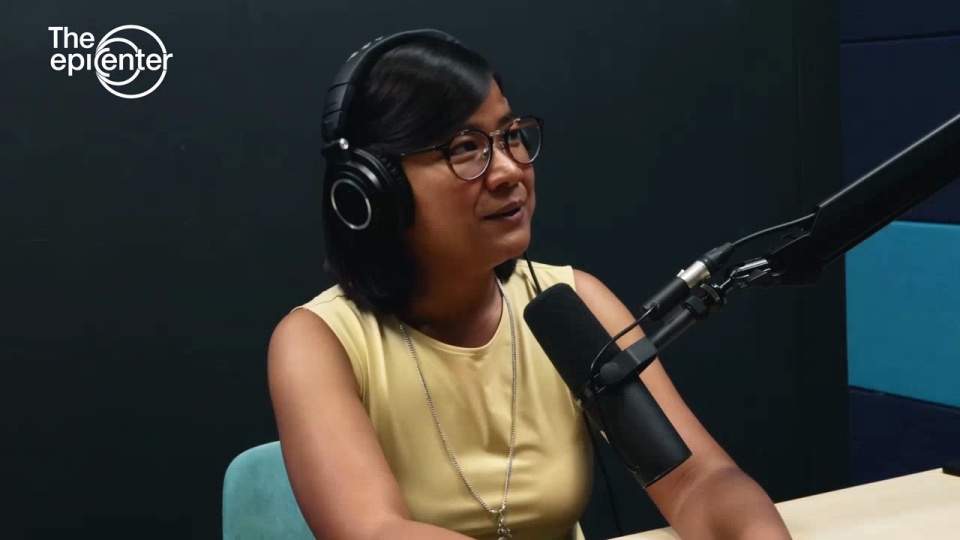
Sonika Manandhar
0:00
0:00
Featuring
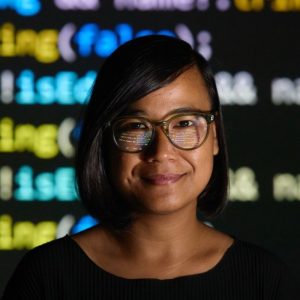
Sonika Manandhar
Green Finance, Co-Founder @ Aloi.Global

Episode summary
Sonika Manandhar, co-founder of Alloy, built a tokenized lending platform that solves a specific problem: banks in Nepal won’t lend to informal-sector micro-entrepreneurs because they can’t track how loan funds are spent. Alloy’s closed-loop system issues loans in tokens — not cash, not crypto — so every dollar stays within the intended business ecosystem. Banks see spending in real time. Borrowers only access what they actually need. Loan sizes range from $20 to $500,000, and the platform has already changed behavior: one cauliflower farmer took a $20 loan instead of the $200 she might have taken in cash, because she only needed $20.
The company focuses on green sectors — electric vehicles, agriculture, dairy, coffee — and recently launched Bijuli Power, an initiative that trains women as EV delivery riders, funds their scooters through micro-loans, and places them in jobs with logistics partners. Repayment becomes near-automatic because income is guaranteed before the loan is disbursed. Sonika also spoke about Nepal’s overlooked EV history: the country ran an all-women fleet of electric minibuses three decades ago, before consistent financing dried up the sector.
Sonika shared her path from computer engineering student to National Geographic Emerging Explorer to fintech founder — and the friction she’s encountered as a young woman walking into bank boardrooms. The conversation also covers the Nepal startup ecosystem, where a local AI company recently listed on Nasdaq and 80% of the country’s livelihoods still depend on agriculture, making the case for tech built at the grassroots level rather than optimized for it from above.
Key highlights
On the power of tokenized lending:
“With our technology, they’re able to trust them more. So we are basically decoding the financial trust.”
On the purpose behind the work:
“If my father had not gotten the government subsidized loan back then, I probably wouldn’t be talking with you here today. I really understand how important a role finance has in someone’s entrepreneurial journey, and I really want to decentralize that.”
Episode Timestamps:
*(00:01:15): Sonika’s background — from computer engineering to social entrepreneurship in Nepal
*(00:02:00): Being named a National Geographic Emerging Explorer and what the process looks like
*(00:05:25): The founding story of Alloy — why the name, and the problem it was built to solve
*(00:06:00): How the tokenized lending system works — lenders, borrowers, vendors in one closed-loop platform
*(00:11:00): Loan sizes from $20 to $500,000 and why the platform makes borrowers unintentionally financially disciplined
*(00:14:00): Meeting co-founder Tiffany at Singularity University and the pivot from soil DNA startup TerraS oil to Alloy
*(00:16:15): Why Alloy targets green sectors — agriculture, dairy, coffee, and electric vehicles
*(00:18:00): Using buyer-side income data to build credit profiles banks can trust
*(00:22:30): Bijuli Power — training women as EV delivery riders, funding their scooters, and guaranteeing job placement
*(00:24:15): What it’s like being a young woman founder pitching banks in Nepal
*(00:28:08): Why Sonika’s father’s micro-loan is the reason she’s a computer engineer today
*(00:31:00): The Nepal startup ecosystem — a local AI company on Nasdaq, fintech growth, and ag-tech opportunity
*(00:32:15): Nepal’s overlooked EV history: a fleet of all-women electric minibuses, three decades ago
*(00:36:15): What success looks like for Alloy — real-time visibility into green finance, down to the last mile
*(00:38:00): The four Ps driving every decision — People, Planet, Profit, Prosperity
*(00:41:26): The book Bullshit Jobs and the question: if your work vanished tomorrow, would the world suffer?
Transcript
[00:00:00] Ronen Mense: Welcome back to another episode of Epicenter. This is [00:00:15] episode 36. I’m super excited because actually someone that I’ve just managed to meet less than 24 hours ago. I managed to get Sonika s got it wrong already.[00:00:30]
[00:00:31] Great. I managed to get Sonika here. Um, having seen, uh, you know, one of our, our fellow, uh, colleagues, uh, post something on, uh, LinkedIn, that you were in town [00:00:45] here for the, uh, financial, uh, Asia Financial Something Summit. Yeah.
[00:00:49] Sonika Manandhar: Asian Financial Institution Forum.
[00:00:51] Ronen Mense: Wow.
[00:00:52] Sonika Manandhar: Coffee forum,
[00:00:53] Ronen Mense: which you are speaking at.
[00:00:54] Sonika Manandhar: I was, yes.
[00:00:56] Ronen Mense: Wow, that’s amazing. Anyway, so I managed to hunt you down [00:01:00] and say, I need to talk to this woman and find out your story. So here today we’re gonna talk about, um, engineering, social, uh, from engineering, uh, to social entrepreneurship, a glimpse into the Nepali startup [00:01:15] ecosystem. And let me give you a little bit of background about Sonika because this is actually our first.
[00:01:20] You are our first, uh, guest from Nepal. So how do you feel about that?
[00:01:24] Sonika Manandhar: Great. Always have been the pioneer. So hopefully this is not the last.
[00:01:29] Ronen Mense: [00:01:30] No, I hope not, because I mean the mission that you’re on and, uh, you know, you’re an accomplished social entrepreneur, co-founder of Alloy, which we’ll talk about, um, which helps basically fun women with Mic Micro.[00:01:45]
[00:01:45] Micro investment micro loans. And then, um, but you also have a pretty interesting background. Um, you are one of the young champions of Earth.
[00:01:56] Sonika Manandhar: That’s right.
[00:01:57] Ronen Mense: Is that why you’re wearing that National Geographic backpack? [00:02:00]
[00:02:00] Sonika Manandhar: That’s because I am an explorer of National Geographic Society also.
[00:02:05] Ronen Mense: How did you get that?
[00:02:07] Sonika Manandhar: Well, I don’t know what to say. I mean, um, say, yeah, I, I, [00:02:15] I don’t know. I mean, uh, they, uh, they call it now, uh. A different name, but they, uh, they gave me the emerging Explorer title back in 2020.
[00:02:26] Ronen Mense: Mm-hmm.
[00:02:26] Sonika Manandhar: Um, and apparently this is a very secretive [00:02:30] nomination process. Um,
[00:02:31] Ronen Mense: should we even be talking about it here?
[00:02:33] Sonika Manandhar: Huh?
[00:02:33] Ronen Mense: Should we even be talking about that? You said it’s very secretive.
[00:02:37] Sonika Manandhar: It’s Oh. It’s only secret until I’m, I’m, you know, ah, worded, right. So, okay. So the secret is
[00:02:43] Ronen Mense: out of the background
[00:02:44] Sonika Manandhar: secret [00:02:45] to me. I had no idea that National Geographic was looking at me.
[00:02:48] Ronen Mense: Mm-hmm.
[00:02:49] Sonika Manandhar: So all of a sudden there was a, there was an email saying there might be an opportunity with National Geographic, and I was like.
[00:02:56] You know, I, because for me, national Geographic was never, [00:03:00] uh, you know, I, I never thought it as, you know, someone who would, um, even see, uh, you know, someone who is an engineer mm-hmm. Tech background, you know, it’s, it was always about the storytelling and you know, how we see National Geographic tv? [00:03:15] Mm-hmm.
[00:03:15] It’s all about animals, geography. Right. And I was nowhere near to that.
[00:03:19] Ronen Mense: Why is a human going on National Geographic?
[00:03:23] Sonika Manandhar: Yeah, exactly. I thought it was this. Scam Uhhuh, to be very honest. And, um, but it was not, uh, I got to know that it’s a [00:03:30] very secret nomination process and once you, you get selected, you’re informed.
[00:03:34] And, uh, there were nine or seven, I forgot, in my cohort. Mm-hmm. So every year they select a few. But, uh, people listening to this, you can, [00:03:45] you can. It’s not necessary for you to only be nominated. You can also apply, uh, for their grants. And you, you can be explorer as well. So, um, just so people don’t get misleaded.
[00:03:56] Ronen Mense: So you don’t actually have to be an explorer like [00:04:00] climbing up, uh, Mount Everest or something to
[00:04:02] Sonika Manandhar: actually
[00:04:02] Ronen Mense: Okay.
[00:04:03] Sonika Manandhar: Or you can be.
[00:04:04] Ronen Mense: And I also understand that you received a, uh. Scholarship from nasa.
[00:04:11] Sonika Manandhar: Uh, it’s not from nasa. So, [00:04:15] um, I received a scholarship to go to Singularity University. Mm-hmm. Um, it’s not an academic university.
[00:04:21] Mm-hmm. It’s like a think tank based program.
[00:04:24] Ronen Mense: Amazing.
[00:04:24] Sonika Manandhar: Where, uh, we get to use a exponential technology to solve global grand [00:04:30] challenges like climate change. So my year was a theme, was climate change. It was based in NASA aims. So, mm-hmm. Yeah. So it’s not a scholarship, uh, from nasa, but I do have, uh, you know, space aspirations and I am in a space [00:04:45] enthusiast.
[00:04:45] So people, you know, sometime, uh, well, uh, misunderstands in different ways.
[00:04:51] Ronen Mense: Wow. That’s very cool. So let, let’s kind of rewind it and tell this story of you becoming an [00:05:00] entrepreneur in this space, right. Which is, um. Probably not typically categorized to find a woman founder, um, coming out of Nepal, right?
[00:05:13] Mm-hmm. [00:05:15] Elaborate a little bit more about your passion and, uh, of building this company that you founded. Alloy. What, what is the background of this name?
[00:05:25] Sonika Manandhar: Well, alloy is, uh, you know, when metal comes together mm-hmm. It becomes [00:05:30] stronger. Right. So A-L-L-O-Y. Mm-hmm. So initially we, uh, we took the phone of A-L-L-O-I.
[00:05:36] Mm-hmm. Which was a LOI. Mm-hmm. And then. The kind of target audience that we work with, or the user we work with, they’re, um, they’re very low literacy [00:05:45] level and they used to pronounce, you know, Ali Ally, whatever. Mm-hmm. So we remove the E in between. Mm-hmm. So it’s now a LOI, but with the same meaning, um, if you bring finance and technology together, then the ecosystem is even [00:06:00] more stronger, and that’s.
[00:06:01] That’s what we’ve been trying to prove, uh, with our company.
[00:06:04] Ronen Mense: And what is it that you guys do?
[00:06:06] Sonika Manandhar: So we, uh, we are a software as a platform. Mm-hmm. Uh, service mostly working with, uh, right now, uh, bank and financial institutions. [00:06:15] Mm-hmm. So, um, in the markets like Nepal, what happens is. Bank gives that loan for productive sector.
[00:06:21] For example, any business loan, right? It goes out in cash. Mm-hmm. And bank has no control over where the borrowers or the micro entrepreneurs are spending it at. [00:06:30] Whereas micro entrepreneurs, they need financing, but because of this mistrust, I mean bank have no idea where, you know, these informal sector micro entrepreneurs are.
[00:06:38] Spending their loan at, if they’re not spending it at business, then there’s no ROI. There’s no return on investment. [00:06:45] That means no repayment and high risk customer for the bank. So, um, because of this distrust, uh, bank don’t want to lend to informal sector, micro entrepreneurs and, uh, informal sector. Micro entrepreneurs cannot grow their business because of that.[00:07:00]
[00:07:00] So we said, okay, we’ll bring in this platform. We bring in the lenders bank fis, we bring in the borrowers mm-hmm. Who are usually the micro entrepreneurs, and we bring in the vendors or the suppliers mm-hmm. Where the micro entrepreneurs will be spending the loan at. Right? Mm-hmm. In one [00:07:15] platform, use the tokenized system, so spending happens within the platform.
[00:07:20] Bank knows whether or not borrowers spent it. In the intended purpose and borrower gets what they need, I mean, to scale that business and vendor [00:07:30] gets to sell their goods and services. So with this enclosed platform, we are able to tell the bank in real time where the money is right now.
[00:07:38] Ronen Mense: Mm-hmm.
[00:07:39] Sonika Manandhar: And that have really, um, made sure that, uh.
[00:07:44] The bank [00:07:45] have more and more confidence, uh, even for the thin filed customer who they did not see as investible before. Mm-hmm. But with our, uh, technology, they’re able to trust them more. So we are basically decoding [00:08:00] the financial trust.
[00:08:02] Ronen Mense: So you’re kind of, um, I. Democratized like this, uh, type of investment and you made it completely transparent.
[00:08:10] Right? Is this something built on blockchain or something?
[00:08:12] Sonika Manandhar: Yes. So our back, uh, our backend, uh, [00:08:15] definitely is in blockchain. Mm-hmm. But in Nepal, we have not, uh, you know, seen it’s as important to integrate yet. Mm-hmm. We have a blockchain side of our technology mm-hmm. Which we will be in the future, uh, using very much for, you know, like for with smart contract, it gives us [00:08:30] so much independence in terms of there are so many, uh, cookie cutter, uh, processes.
[00:08:35] In making the loan decision for the bank, maybe we can put it in smart contract and making it more automated. Um, so we are definitely thinking about that, but right now, uh, it’s not [00:08:45] integrated.
[00:08:45] Ronen Mense: Mm-hmm. And how, how do you. Deploy this capital. Is it, does it go from the bank direct to supplier, or does it actually go into the, uh, micro entrepreneur’s hands and then they disperse it?
[00:08:59] Sonika Manandhar: Right. [00:09:00] So we don’t underwrite loans ourselves. Mm-hmm. So we are just a software platform for the bank. Right. Okay. So they, uh, they use our platform to lend out, uh, in tokens. Mm-hmm. And by tokens. It’s not cryptocurrency, it’s banned in Nepal. Yeah.
[00:09:14] Ronen Mense: It’s just called [00:09:15] token. It’s just called a token.
[00:09:17] Sonika Manandhar: Yeah. It’s just called a token.
[00:09:18] You can also just,
[00:09:19] Ronen Mense: you could, you could, before you could go to like a, a game arcade and buy tokens and Yeah. Put it into machine and
[00:09:25] Sonika Manandhar: Yeah. It’s a closed loop. Yeah. You know, uh, financing system, right? Yes. You can’t, uh, if you [00:09:30] buy a, a token for certain game, then you can’t really spend it elsewhere, right. So it’s exactly the same.
[00:09:35] So, for example, if the micro entrepreneur is from the electric vehicle, uh, business. Then he or she can only use it within that sector. So it’s kind of, uh, [00:09:45] I would not say restricted, but it, it helps, uh, uh, you know, prevent the leakage of the fund that goes, uh, that, that have come for the specific purpose.
[00:09:54] Right? Sure. Um, so yeah, so the bank uses our system to lend out in token, [00:10:00] um, digitally to the borrower. Um, uh, we mostly work with the green micro entrepreneurs, maybe we can talk about that in, in a, in a bit. And then the micro entrepreneur have acts. Access to all the vendors in the ecosystem, or if they want to buy from particular supplier, then they can [00:10:15] also have them get onboarded in our system.
[00:10:17] Mm-hmm. So for us, uh, it’s very important that the borrower have the spending power, not the vendors. Mm-hmm. So they, they choose the vendors and then they spend also in tokens mm-hmm. Through SMS, so that any type of phone [00:10:30] works Right. As smartest to dumbest any phone works. Mm-hmm. Uh, it’s not an app. It can be a app.
[00:10:35] Yeah. But, uh, our users are very much, uh, with low literacy, so we thought SMS and numbers are the only way to go. Mm-hmm. Um, so they spend [00:10:45] in token and vendors are the one who goes back to bank and redeem the tokens into cash. That’s where the cash actually goes out. Uh, and because of that, it’s all, you know, tracked within the system.
[00:10:55] And bank actually can see, okay, borrower one spent, uh, his or her loan [00:11:00] in five vendors, and these vendors are charging stations, battery vendors, uh, mechanics, um, and and so forth.
[00:11:08] Ronen Mense: And what is the average loan amount?
[00:11:12] Sonika Manandhar: It’s quite, it’s quite interesting. I mean, this
[00:11:14] Ronen Mense: is [00:11:15] important to know, right? I mean, I think the audience needs to understand that there’s a whole nother economy out there that operates different than
[00:11:21] Sonika Manandhar: mm-hmm, mm-hmm.
[00:11:22] Ronen Mense: Than what they would be used to.
[00:11:24] Sonika Manandhar: Yeah. So we, um, we mostly focus, uh, at the missing middle, right? Mm-hmm. That [00:11:30] particular finance that someone needs to really upscale and then after upscaling, they’re good to go. Right. Um, it has been quite interesting experience for us. That, uh, usually when someone asks for a loan, they would never ask for a loan for $20.
[00:11:44] Mm-hmm. Have you [00:11:45] ever heard about people taking loan or 20?
[00:11:47] Ronen Mense: Yeah. No. My brother once borrowed $20 from me, but,
[00:11:50] Sonika Manandhar: well, you are, you are his an angel investor?
[00:11:54] Ronen Mense: He’s my elder brother.
[00:11:56] Sonika Manandhar: Okay. Um, yeah, but what we’ve seen is, [00:12:00] you know, whenever someone is asking for a loan, they probably would not ask for loan, uh, lesser than $200.
[00:12:05] Mm-hmm. Um, just to make it relatable for international audience. I’m giving, giving the numbers in dollars, but we’ve seen, because with our technology, [00:12:15] with, with our plat mm-hmm. Within our platform, they can’t, uh, spend it elsewhere, right? Mm-hmm. Um, so they have taken a loan as small as $20 mm-hmm. As well, and we can go up to $500,000.
[00:12:27] So it’s, it’s, you know, that range of, [00:12:30] uh, borrowers that we are working with. And it’s quite interesting because, you know, uh. When someone took like $20 loan, I was like, wow, you know, you, you can actually. Make people [00:12:45] unintentionally financially disciplined.
[00:12:47] Ronen Mense: Mm-hmm.
[00:12:47] Sonika Manandhar: If they don’t need the loan, um, they, they didn’t take, they don’t take the loan.
[00:12:52] Mm-hmm. But if it, if it was in cash, they probably would take $200 instead of $20. Right. Right. Because they can do whatever, but. With this, they [00:13:00] only can spend it for the business purpose. They actually took whatever they need. And this was particularly for the Cali flower farming. Mm-hmm. Like the backyard farming.
[00:13:10] Uh, but yeah, as I said, the range varies from two 20 to 200,000 to [00:13:15] $500,000. Mm-hmm.
[00:13:16] Ronen Mense: And, and this, uh, this whole like, uh, ecosystem kind of makes it. In one way, closed loop. Um, the second way is, you know, adds a high level of accountability
[00:13:27] Sonika Manandhar: mm-hmm.
[00:13:28] Ronen Mense: Through the whole value chain. [00:13:30] Right?
[00:13:30] Sonika Manandhar: Yes. It’s all about transparency.
[00:13:31] Yeah.
[00:13:31] Ronen Mense: Transparency there. And, and, um, just going back to, to the founding of Alloy, is this, uh, something that you founded yourself?
[00:13:40] Sonika Manandhar: Yes. So I’m one of the co-founder. Okay. Um, my [00:13:45] co-founder is also an amazing, uh. Women that I met, uh, back in 2017 in Silicon Valley, uh, for a program called Global Solutions Program.
[00:13:55] Mm-hmm. That was ran, uh, that was run by Singularity University. Mm-hmm. [00:14:00] Um, which, uh, brought in, you know, 98 people from all over the world. Engineers, doctors, artists, you know, technologists. They brought them together to see mm-hmm. Um, if we can use exponential [00:14:15] technologies like blockchain mm-hmm. Uh, crypto as well, but, um, and ai, you know, robotics to solve the global challenges like climate change.
[00:14:24] Ronen Mense: Mm-hmm.
[00:14:24] Sonika Manandhar: So that’s where I, um, met with my co-founder Tiffany. Um, and, and [00:14:30] we really connected because both of us really wanted to. Uh, see how, how can these sophisticated technology, how to make this sophisticated technology work for the grassroots. Mm-hmm. Right? Because at the high [00:14:45] level, we always talk about, okay, ai, blockchain, but what does it mean really?
[00:14:48] Mm-hmm. To make it work for the actual people who really need it. To make their life easier. Right. So that’s, that’s where we connected. Um, we actually founded another company there called [00:15:00] Terra Soil. Mm-hmm. Which, uh, we felt was important to, um, uh, for the small holder farmers, it’s very important for them to know their soil health.
[00:15:11] Mm-hmm. So we said, okay, we’ll, we’ll, uh, build a company that [00:15:15] tests the soil health and that tests, uh, the soil microbiome. It’s like soil, DNA. Mm-hmm. Um. Wow. Yeah. Things didn’t work out because, you know, DNA technology is very expensive and it did not make [00:15:30] sense, uh, for the small holder farmers. Mm-hmm. And we, we, I mean, for us it did not make sense to only work with commercial farmers.
[00:15:36] Right. So we dropped the idea and then for a, for a year, we, uh, kept brainstorming and year later, boom, [00:15:45] alloy.
[00:15:45] Ronen Mense: Wow, so interesting. And, um, so, so this is definitely not your, your first, uh, uh, startup. You’re a two or three X founder, which is already quite exciting and I’m sure that there’s gonna be more to come from, from you.
[00:15:59] Um, [00:16:00] so you, you mentioned about, uh, um, green investment, right? That’s right. Tell us a little bit more about that, because I can imagine that. Nepal must be very, um, environmentally conscious.
[00:16:11] Sonika Manandhar: Mm-hmm. Mm-hmm.
[00:16:12] Ronen Mense: And, um, yeah. Tell us about [00:16:15] that.
[00:16:15] Sonika Manandhar: Yeah. Um, well, Nepal is a country which probably don’t contribute in climate change that much.
[00:16:20] Mm-hmm. But, um, the effect, it, it, uh, it has to, you know, face the effects of climate change very much. Right. Um, having said [00:16:30] that, you know, uh, the, the sectors that we work with, I mean. It’s very focused on either climate adaptation or climate mitigation. Mm-hmm. And that’s because our, our company’s alignment is towards green sector.
[00:16:41] And we believe that, uh, to drive the green economy, [00:16:45] we really need to bring in, um, all the grassroots entrepreneurs who are working in green businesses together and to help them really, uh, really have that journey of being a micro entrepreneur. And then. Scale, right. So, uh, one of the sector is agriculture.
[00:16:59] So we [00:17:00] work with value chains such as dairy, coffee. Mm-hmm. You know, it’s so important for them to, um, have, uh, have proper photo production and then maybe, you know, even biogas and things like that. So we, we are trying to help them with tools and [00:17:15] technology. Um. Not by ourselves, but mm-hmm. You know, to make them aware that there, there are ways to adapt with new climate conditions.
[00:17:23] And if we need financing, definitely there are options of these kind of financing. Right. And that’s where we come in. Um, so that’s what [00:17:30] we’ve been doing. And, um. Again, everything, uh, really boils down to money. Mm-hmm. So if they need money, um, usually it’s very hard for the bank to say, okay, I’m just gonna give $300 of loan.
[00:17:44] And there is like, [00:17:45] so many operations costs for the bank. Right. Either it is 300. Dollar or $300,000. Mm-hmm. The same operations cost for them. Mm-hmm. Um, and then they don’t know how much they’re, uh, uh, how much they’re earning. And they’ve, thus they don’t know their repaying ability. So [00:18:00] it’s always in the borderline whether or not to lend to these farmers.
[00:18:04] So we are bringing in another, uh, side of transparency, uh, by working with the buyers of the producers. Mm-hmm. For example. Whatever, uh, dairy is collected, someone is [00:18:15] buying, right? So we are, uh, we are including the buyer, uh, using our system based to the farmers. Um, and then that data we, we can give to the bank.
[00:18:26] This is a new type of data that bank usually don’t have. Mm-hmm. [00:18:30] I mean, self-reported income is definitely there, but, you know, automated not. So we are able to give them one loan utilization data and two, uh. The, uh, income data so they, they bank can make better loan decisions. So it’s all data-driven approach that [00:18:45] we have.
[00:18:45] Uh, we, we have, uh, taken. So now bank can make better loan decisions saying, oh, farmer A is earning, you know, 10,000 every month so I can actually lend him or her this, this amount easily. And then, uh, loan is [00:19:00] cannot be misutilized. So it’s always utilized. So return on investment is also, you know, indirectly, um, assured.
[00:19:08] Ronen Mense: I imagine that you must meet a lot of entrepreneurs. Mm-hmm. Right? And you must meet. See a lot of [00:19:15] different, uh, businesses that are emerging, and probably you have a good insight on what’s happening in the Nepal tech ecosystem as well.
[00:19:25] Sonika Manandhar: Mm-hmm.
[00:19:25] Ronen Mense: Can you paint a picture for us about what, what, what’s going on there?
[00:19:28] I think it would be really [00:19:30] interesting to hear about that.
[00:19:31] Sonika Manandhar: Yeah. I, uh, I, I think, uh, not, I think, I mean, I know that you know, tech, uh, well. There’s tech and then there’s startup ecosystem, right? Mm-hmm. So it’s, it’s, it’s good [00:19:45] to see that both are very much interconnected. Whatever the startups are coming forward is always intertwined with using technology.
[00:19:52] That’s quite exciting. Mm-hmm. For me as a, as a tech person myself, right? Um, uh, it’s, it’s been quite [00:20:00] vibrant, uh, ecosystem startup ecosystem. There are, there are use and does not have to. Just be used. But, you know, the startup ecosystem is quite vibrant. And, uh, well, um, I think, uh, the AI startup of Nepal just got [00:20:15] listed, uh, really in Naoc, so it, yeah.
[00:20:17] So also, what’s that company name that’s also, uh, FU machines. So it’s fu all over my, uh, social media and news portal and everything. Uh, so yeah.
[00:20:27] Ronen Mense: Is, is that the first Nepali [00:20:30] tech startup to get listed on Naec?
[00:20:33] Sonika Manandhar: I don’t know. Uh, I, I saw on LinkedIn there was one more.
[00:20:37] Ronen Mense: Okay. I don’t have That’s so impressive.
[00:20:39] Yeah. Yeah.
[00:20:40] Sonika Manandhar: Yeah. So we, we are getting there. I mean, uh, [00:20:45] so proud of huge machines, Nepal Borne company. Yes. Going to that level, um, becoming an a unicorn.
[00:20:52] Ronen Mense: Mm-hmm.
[00:20:52] Sonika Manandhar: So, yeah, I mean, that’s, that’s a picture for you.
[00:20:55] Ronen Mense: And, and do you have like, um, local rideshare there and, [00:21:00] and e-commerce players? Mm-hmm.
[00:21:03] Sonika Manandhar: So, um, ride sharing.
[00:21:06] Uh, there used to be an Nepal born company. Mm-hmm. That’s. Not there anymore. Uhhuh. Uh, but there are other platforms like Patau and Drive. [00:21:15] Mm-hmm. Um, and uh, for the taxis there are.
[00:21:18] Ronen Mense: Mm-hmm.
[00:21:19] Sonika Manandhar: I forgot the name of others. Mm-hmm. I’m very bad with names. That’s okay. So there are ride sharing apps, so if you ever visit Nepal, you should download those apps.
[00:21:27] And, uh, for e-commerce. Oh my God. [00:21:30] As you, I mean, before this podcast we were talking about, uh, some of the company who, you know, uh, got benefits of COVID, you know? Yes. Ramping up their e-commerce business. Same happened in Nepal actually, because, uh, it’s always like when there’s an [00:21:45] online business, you.
[00:21:46] Skeptic about whether or not you order and then do you get, uh, what you actually order. Right. So that was the, that was the, um, anxiety that everybody had, and COVID really forced everyone to mm-hmm. You know,
[00:21:58] Ronen Mense: to digitize and [00:22:00] accept Yeah.
[00:22:00] Sonika Manandhar: To digitize and to order all the time from e commercial sites and, um.
[00:22:05] Because of that boom. Now, you know, the, uh, logistic riders have, you know, the gig economy have also very much grown in Nepal. [00:22:15] And that brings me to our, another initiative, uh, which we do in electric vehicle sector. So that’s another green sector that we work with. Um. So, uh, last June five, environment Day, we launched, um, the initiative called Visually Power.
[00:22:29] [00:22:30] Visually means Electricity. Mm-hmm. Power means Power, right. So we said we’ll bring in women, um mm-hmm. Because in logistic business there are very less women riders, so we wanted to bring in more women. Mm-hmm. Um. Uh, so we said, okay, we bring in women, uh, who [00:22:45] wants to become the delivery riders, train them, uh, no free trainings.
[00:22:50] Uh, there will be loans also. Mm-hmm. So they get the training, they get the license, and then they get the, uh, uh, loan for eess scooters. Mm-hmm. So they get the two wheelers, [00:23:00] and now there’s a job guarantee. So we have partnered with a lot of logistic companies like Upaya. Mm-hmm.
[00:23:05] Ronen Mense: Food
[00:23:06] Sonika Manandhar: Mandu, BGE deals. Um, so they, they always need riders.
[00:23:10] Right, so they gave the job guarantee. So it’s kind of a full circle that [00:23:15] we have built, getting trained, getting the knee scooter, getting in, uh, a job guarantee means repaying, is kind of assured for the bank. So that’s, that’s something that we’ll be working very aggressively this, uh, this, this, uh, coming year.
[00:23:28] Um, and there’ll be [00:23:30] more women riders driving scoters in Katmandu probably if you visit very soon. I
[00:23:36] Ronen Mense: definitely have to, uh, now I have another reason besides Mount Everest to come visit. Right. Yeah. And, and so you mentioned, uh, a lot about women [00:23:45] and, uh, uh, women empowering women entrepreneurs. Right. Um, you yourself mm-hmm.
[00:23:51] Are a woman entrepreneur. And I, I imagine it must not be easy, um, first for any woman entrepreneur anywhere on, on [00:24:00] this planet to get funding for their startup. Much less in Nepal. Right. Talk to, talk about that journey, like from, from founding this company and, and you know, what was the struggles that you had to go through to actually get funding and, and get this off the ground?
[00:24:14] Sonika Manandhar: [00:24:15] Um. Well, as you rightly said, uh, well, being a woman is there and then also being young mm-hmm. Is also there. Right. So it’s probably not just, uh, because I’m a woman, all the struggles I got. [00:24:30] Um, so when, when my co-founder and I, we are both females and, um, we want, we said, okay, we wanna do this business. We don’t want to go nonprofit.
[00:24:40] Mm-hmm. We want to make money
[00:24:41] Ronen Mense: or profit.
[00:24:42] Sonika Manandhar: But with impact. Mm-hmm. We just don’t want [00:24:45] just money, right? Mm-hmm. So we want to do, uh, make an impact also making money so it’s sustainable. So that was our, that, that, that was very clear in our head. So we went to a couple of lawyers, uh, to start, you know, the thinking about forming this company [00:25:00] and actually, uh, some of the lawyers actually.
[00:25:03] Try to convince us that we should be the nonprofit uhhuh. ‘
[00:25:08] Ronen Mense: cause there’s
[00:25:08] Sonika Manandhar: just two women, you know, talking about impact, talking about green economy, and then [00:25:15] you should be nonprofit.
[00:25:17] Ronen Mense: Mm-hmm.
[00:25:18] Sonika Manandhar: That’s, that’s what they thought. Um, it was, uh. Quite, quite an experience that I share very, um, fondly now. Mm-hmm.
[00:25:27] Because, you know that I, I, I joke [00:25:30] saying that was our very first pitch, be it five hours of pitch. But that was our very first pitch, trying to convince a lawyer, pay them. To form our company. Right.
[00:25:41] Ronen Mense: And tell you what type of company to form and basically change [00:25:45] your business model.
[00:25:45] Sonika Manandhar: Talking about mansplaining.
[00:25:46] Yeah.
[00:25:47] Ronen Mense: Amazing. Amazing.
[00:25:49] Sonika Manandhar: Um, but yeah, I mean, uh, uh, we are very thick skinned, so yes, we don’t take that. Um, and then. I mean, similar, similar, uh, you know, [00:26:00] stereotyping a lot, lot of time that happens. And, uh, well, um, even today when I, when I go go to a bank for a bank meeting with a CEO of the bank or the deputy CEO of the bank mm-hmm.
[00:26:13] I often get [00:26:15] stopped at the gate. By the security asking, where are you going? Don’t look
[00:26:19] Ronen Mense: like a bank robber.
[00:26:20] Sonika Manandhar: Yeah, maybe do I?
[00:26:23] Ronen Mense: No, you don’t. That’ll
[00:26:24] Sonika Manandhar: be fun. But yeah, they stop me and ask me where I’m going and I, I tell them, [00:26:30] oh, I have meeting with this and that, and they would give me a very judgmental look saying.
[00:26:35] Does the CEO know you? And I’m like, yeah. So yeah, that’s, I mean, I, I take it as a fun experience because, you [00:26:45] know, when someone’s would be writing my book about my life in the future mm-hmm. They should have, you know, incidents like this. Otherwise, what fun.
[00:26:52] Ronen Mense: Well, definitely. I mean, that’s, that’s the hardships, right?
[00:26:56] Of uh, yeah. You know, the, the bias that, uh, people [00:27:00] have and, uh, it’s everywhere in the world.
[00:27:02] Sonika Manandhar: I know. And, and, you know, I, I come from a very privileged background, fortunately. Mm-hmm. But when I, when I look at the women that we work with, informal sector, women, micro entrepreneurs
[00:27:14] Ronen Mense: [00:27:15] mm-hmm.
[00:27:16] Sonika Manandhar: I look at their challenge, you know, it’s, it’s, my challenge is not even 1%, right?
[00:27:22] Mm-hmm. It, it’s like. They have to run this business, whatever they’re doing mm-hmm. For, you know, [00:27:30] uh, survival. Yeah. For survival. And, and if they don’t get the kind of money that they need to keep that going, then their life is done. And it’s, it’s scary. Right. It’s scary. I mean, I understand because, um, [00:27:45] my father used to be a micro entrepreneur as well. Mm-hmm. He used to drive a three wheeler of, uh, not electric. Mm-hmm. But it was a three wheeler minivans. Um, I was five years old when he started that he failed [00:28:00] another business. And then, you know, uh, our family was also in the position where I see all the women, um, in right now.
[00:28:08] If he had not gotten the. Government sub subsidized loan back then, uh, I probably wouldn’t be talking with you here [00:28:15] today. Right. Uh, I mean, how would he have money to make me a computer engineer? So I, I, I really understand how important role, money or finance, you know, uh, has in someone’s entrepreneurial journey [00:28:30] and I really want to decentralize that.
[00:28:33] Democratize that so that it’s available because, you know, money is always there. When we, when we talk in a bigger platform, oh my God, there’s millions of dollars investing in a lot of [00:28:45] startups, a lot of company. But you know, how much of that really goes to the hands of the grassroots entrepreneurs who are, uh, really taking the weight of, you know, sustaining the green economy, right?
[00:28:57] So, yeah.
[00:28:59] Ronen Mense: Have you, uh, [00:29:00] I’m, I’m sure you have, but what was it like when you had to reject. Or maybe, I don’t know if it’s that you guys reject or the bank reject the first like, uh, loan to somebody.
[00:29:09] Sonika Manandhar: Oh, um, it’s the bank. It, it’s the bank. So the decision is definitely from the bank. Mm-hmm. Because it’s their money, [00:29:15] right.
[00:29:15] At the end of the day. Oh, there has been quite a few, um. But, uh, fortunately, uh, with, you know, uh, whoever we recommend or whoever goes through our platform, there has been very less rejection, um, [00:29:30] because of so and so technology, helping track and, mm-hmm uh, building more confidence. But there has been few rejections.
[00:29:37] Um. Uh, which is why, uh, recently, not recently, last year, we thought, okay, we need to give [00:29:45] more chances to the rejected files, right? First identify what’s the reason for the rejection if their credit score is not very good. Then what are the ways we can increase? Mm-hmm. Help them increase their credit scores.
[00:29:57] Right. If someone is saying, [00:30:00] okay, I’m gonna do dairy, I wanna become a dairy farmer. Mm-hmm. But he or she probably does not have the experience to do that. It’s like 20% likely that you’ll fail in the business. Right, right. So it’s, that’s probably also why some of the bank [00:30:15] don’t, you know, trust. He or she will do it good in dairy, thus repay the loan.
[00:30:19] So we give them chances to, you know, apply for loan to just take the trainings and they did take the training and then they increase their skill, um, and then again, apply, right? [00:30:30] Or they, uh, do the micro deposits savings, um, uh, with us, which, which also proves that, oh, they’re financially disciplined. If they’re able to, uh, deposit so and so money every day, then, you know mm-hmm.
[00:30:42] It’s likely they, they, they are better. [00:30:45] They’re credible.
[00:30:46] Ronen Mense: Mm-hmm.
[00:30:46] Sonika Manandhar: So yeah, some of the, some of those kind of, um, ways that we have, uh, we have been putting together so that someone who got rejected probably have better chances in the future.
[00:30:57] Ronen Mense: Well, what, like going back to [00:31:00] the. Economy, like the tech economy in, in Nepal.
[00:31:03] Is there like anything that Nepal is really known for? I mean, you, you talk about green technology, you’ve talked about ai, you’ve talked about, you know, uh, renewables. Uh, what, [00:31:15] what, what, what do you think Nepal is gonna be known for when it comes to like this tech, uh, tech world?
[00:31:22] Sonika Manandhar: Well. I cannot pin down one.
[00:31:26] Mm-hmm. Answer to that. Right? Because there’s definitely [00:31:30] diversity in the kind of, um, sector tech have, uh mm-hmm. Uh, stepped, um, towards, um, one example. I already gave you another. Hopefully that would be me. Mm-hmm.
[00:31:42] Ronen Mense: Just kidding.
[00:31:43] Sonika Manandhar: Why? [00:31:45] No, I think, I think of, uh, definitely in the FinTech sector, um, and, and ai and definitely because we are, you know, 80% of, of the total livelihood of Nepal depends on agriculture.
[00:31:59] So if, if [00:32:00] the tech can really make. The life of farmers easier, then I guess that probably would be very, very interesting for people to read in the future.
[00:32:10] Ronen Mense: Mm-hmm.
[00:32:10] Sonika Manandhar: And, uh, so talking about the electric vehicle, uh, it’s [00:32:15] also, uh, I, I should share this, that Nepal was the pioneer to start, you know, fleet of electric minivan.
[00:32:24] Mm-hmm. Three decades ago. Wow. Where, no, when nobody else had that. [00:32:30] Right. You have no idea. Wow.
[00:32:31] Ronen Mense: I had no idea.
[00:32:32] Sonika Manandhar: I know nobody, I’m learning. Nobody knows. So, so
[00:32:36] Ronen Mense: three decades ago, Nepal was basically leading
[00:32:40] Sonika Manandhar: Yeah.
[00:32:41] Ronen Mense: The, uh, the electric vehicle. Uh,
[00:32:44] Sonika Manandhar: I was [00:32:45] five years old. Imagine.
[00:32:46] Ronen Mense: Wow.
[00:32:47] Sonika Manandhar: Yeah. So, and it was all driven by women.
[00:32:51] Ronen Mense: So women are a significant part of, uh. Not only society, but the, the basically the infrastructure of, of [00:33:00] how Nepal runs on a day-to-day basis.
[00:33:02] Sonika Manandhar: Definitely, yeah. Yeah. And especially in financial market. I was talking with a person from Bank the other day, and he was, he was saying, oh, dairy is a good sector because, you know, there’s women involved and if women take loans, they make [00:33:15] sure that they pay.
[00:33:15] Mm-hmm. They make sure that they don’t misuse it. Mm-hmm. It’s the kind of, you know, when you’re women, there’s also the benefits like that, you know, and, uh, because you, you make sure that you’re disciplined. You make sure that whatever you owe, someone you repay. [00:33:30] Right? But coming back to the, uh, fleet of electric vehicles that we, uh, we started, so it was, uh, it was made in a ball, uh, seven or 14.
[00:33:40] Three wheeler, electric minibus. Mm-hmm. All driven by women. It was started by one of [00:33:45] the projects, uh, dev organization projects. Mm-hmm. And, um, I think even today, uh, a lot of our, um, authorities like to talk about it in the conferencing. Oh. Nepal was the first, um, pioneer [00:34:00] country to start this electric mm-hmm.
[00:34:02] Fleet in public transportation. Um. But what I would like I always like to talk about is what happened, you know, I was five years old.
[00:34:12] Ronen Mense: Mm-hmm.
[00:34:12] Sonika Manandhar: When it started. I’m 34 [00:34:15] now. What happened to that industry? Is it 700? Is it still 714? Is it 7,014 or is it, is is it 700,014, right?
[00:34:24] Ronen Mense: Yeah,
[00:34:24] Sonika Manandhar: but still it’s, it’s lesser.
[00:34:27] Ronen Mense: Lesser,
[00:34:28] Sonika Manandhar: yes.
[00:34:29] Ronen Mense: Why is that? [00:34:30]
[00:34:31] Sonika Manandhar: Well, there’s no proper, uh, formal financing vehicles available to support this, uh, sector. So it was 714. Now only 500 is running, and out of that 500 only 50%, uh, [00:34:45] are driven by women. Right? So. Nepal is right now at the perfect place where, uh, it has, uh, opportunity to transition from fossil fuel vehicles to electric because a lot of the existing vehicle are phasing out, right?
[00:34:59] ’cause of [00:35:00] their, uh, 20 years limit. If we don’t transition now, then it’s impossible to, you know, um, go electric in the before another 20 years because the, the entrepreneurs that are involved in the sector can’t afford another [00:35:15] vehicle.
[00:35:16] Ronen Mense: My, my previous guest, uh. On the podcast was talking a lot about, uh, EV and, and BYD
[00:35:24] Sonika Manandhar: Uhhuh.
[00:35:25] Ronen Mense: So do you have an influx of, uh, um, China made EVs on in, in [00:35:30] Nepal right now?
[00:35:31] Sonika Manandhar: Right now there are a lot of, I mean, from India, from, uh, China. Mm-hmm. I, I don’t have more information on the vehicles. Uh, you know, uh, importers, uh. But mostly China and India, that, that’s what I’ve been seeing, because they’re
[00:35:43] Ronen Mense: also very aggressive when it comes to [00:35:45] like, uh, financing.
[00:35:46] Sonika Manandhar: Mm-hmm. Put
[00:35:47] Ronen Mense: very little down, very low interest rates. Mm-hmm. So maybe that will, um, help to spur like the, the rejuvenation of this, uh, EV society.
[00:35:57] Sonika Manandhar: Maybe I’m hope, I’m very hopeful for [00:36:00] that. And even if that’s not available, I still think, uh, there needs to be a major push mm-hmm. To really go electric, um, in the next five or 10 years
[00:36:11] Ronen Mense: that’s happening now.
[00:36:13] Um, what does [00:36:15] success look like for Alloy?
[00:36:18] Sonika Manandhar: Well, we, uh, we really want to see, um, with our. Data mm-hmm. Platform in the future, if someone is [00:36:30] genuinely doing a business mm-hmm. Then he or she should not, uh, struggle to get the financing that they need if it is, even if it is $20 or $200,000, right? Mm-hmm. So that’s the vision that we have.
[00:36:42] Um, we really want to support the last mile [00:36:45] green economy with, with our vehicle, uh, technological mm-hmm. Vehicles that we are setting up right now, be it with the banks. With the international capital. Um, so we really want to bring, um, all the larger financing that we talk in, all the [00:37:00] platform, green co, green finance, climate, finance, right, different bonds.
[00:37:05] We really want to bring that to the ground and I think our technology is very much capable to do that, uh, every minute, real time. Anyone who is sending the [00:37:15] investment can see what their investment is doing every minute. So, yeah.
[00:37:19] Ronen Mense: Sounds fascinating. And for yourself, Sonika, because you’re involved in many different things and, uh, a lot of different initiatives and, and of course you, you [00:37:30] talk about your background and, and being very fortunate to being put in this position.
[00:37:35] Um, you’re still very young.
[00:37:38] Sonika Manandhar: I want to think so.
[00:37:41] Ronen Mense: Um. But maybe a, a, a, a forward [00:37:45] looking question. Um, what do you want your own legacy to be?
[00:37:51] Sonika Manandhar: Uh. Is that the surprise question that you had for me? Uh, maybe. [00:38:00] Well, I, I always want to be, uh, known as a person who’s driven by purpose. Mm-hmm. Um, money has never been a driving factor for me otherwise, you know, as an engineer, I can.[00:38:15]
[00:38:15] Be doing better things and earning better money, right? Mm-hmm. Um, uh, but I also do believe in there has to be a profitable business to drive the purpose that you have. So, I don’t know, uh, if I’m answering [00:38:30] your question concretely. Mm-hmm. But I think, uh, for me it has always been the four P and I want people to know me, who know me as a person.
[00:38:42] Mm-hmm. Who, uh. [00:38:45] Believed in this four P people planet. Mm-hmm. Um, profit and prosperity. Mm-hmm. If, if those four does not come together, then I, I, I don’t think there will be a win-win for everyone. Uh, and it can’t be, you know, only people. It can’t be only planet. We can’t [00:39:00] say, oh, planet, planet, planet. And then that does not solve anything.
[00:39:03] Right. It has to be people coming together for planet. Making the profitable, you know, sustainable business, thus the prosperity. So that’s, that’s the four thing that I always, [00:39:15] whatever decision I make in my life, whatever work that I choose to do, whatever work that I want to do in the future, it’s always driven by those four Ps.
[00:39:24] Ronen Mense: Mm-hmm.
[00:39:25] Sonika Manandhar: Did I answer your question? Well,
[00:39:26] Ronen Mense: I mean, you know the answer, not me, but I, I would probably say [00:39:30] that there’s, uh, maybe a fifth P that you’re missing.
[00:39:33] Sonika Manandhar: And what is that?
[00:39:35] Ronen Mense: Which is what you are on. It’s the purpose.
[00:39:38] Sonika Manandhar: Yeah.
[00:39:39] Ronen Mense: Right. I think, uh, you, you’ve, you’ve definitely shown that, um, when you [00:39:45] actually go with the purpose Right.
[00:39:48] And that you’ve discovered why you are here. Right. What, what, what put you in this position and the purpose of, of what you, what you’re driving at and making a significant change. [00:40:00]
[00:40:00] Sonika Manandhar: Mm-hmm.
[00:40:00] Ronen Mense: You know, it’s, uh, it’s really amazing.
[00:40:02] Sonika Manandhar: Yeah. Yeah. It, it makes one’s life easier if you’re driven with purpose. Yeah.
[00:40:08] Ronen Mense: It’s, it’s
[00:40:08] Sonika Manandhar: very easy to make all the decisions.
[00:40:10] It’s, it gets clear in the head.
[00:40:13] Ronen Mense: Yeah. This is really [00:40:15] fascinating. Uh, so, uh, you, you’re, you’re, you’re, I would say, uh, in some ways, uh, ahead of your time, right? Because I think that you’re, you’re, you think much, uh, bigger and, um, uh, more [00:40:30] holistically than a lot of founders, uh, do because it, it’s all about profit and, uh, um, maybe very well, I’m sure there’s some purpose to it, but, uh
[00:40:39] Sonika Manandhar: mm-hmm.
[00:40:40] Ronen Mense: Yeah. Wow, that’s, uh, really interesting. Um, [00:40:45] look, I, I think that, um, I always like to come to, um, what I call a quickfire round.
[00:40:55] Sonika Manandhar: Mm-hmm.
[00:40:55] Ronen Mense: Ask, you know, random questions that, uh, you can answer in short or [00:41:00] long form, whatever. Okay. You feel comfortable with. I’ll try. Are you with.
[00:41:09] What book has had the most impact you on you and why?
[00:41:14] Sonika Manandhar: [00:41:15] Mm-hmm. This is a popular question whenever it comes to the rapid round. Mm-hmm.
[00:41:21] Ronen Mense: Oh, you’ve done many rapid rounds?
[00:41:23] Sonika Manandhar: Uh, I guess.
[00:41:25] Ronen Mense: Okay.
[00:41:26] Sonika Manandhar: Well, but, but the answer is always one. I’m not a, not very much of a book [00:41:30] reader. Um, but, uh, one of the book that I found quite interesting was, um, bullshit Jobs.
[00:41:36] Ronen Mense: Mm-hmm.
[00:41:37] Sonika Manandhar: Which talks about all the jobs that are available today in the world. Uh, if it vanishes tomorrow, what [00:41:45] impact. The world will have.
[00:41:47] Ronen Mense: Mm-hmm.
[00:41:47] Sonika Manandhar: Right. And I think, again, going back to the purpose of my life mm-hmm. And seeing that whatever I’m doing, if it vanishes tomorrow, would the world suffer or not?
[00:41:58] Ronen Mense: Oh my God.
[00:41:59] Sonika Manandhar: Right.
[00:41:59] Ronen Mense: Yeah.
[00:41:59] Sonika Manandhar: [00:42:00] That’s the job that I want. Wow.
[00:42:02] Ronen Mense: I
[00:42:02] Sonika Manandhar: see. I, I don’t, I don’t want bullshit jobs. I want the job that has some impact in the lives of people of the world. So if it vans tomorrow, should have. You know, negative impact. So, so I, I believe [00:42:15] that whatever I want to do, have to have some purpose.
[00:42:19] That’s, that’s the,
[00:42:20] Ronen Mense: well, I imagine that if you were to shut down alloy today, a lot of people would be suffering.
[00:42:29] Sonika Manandhar: Um, [00:42:30] well, yeah. I, I want to believe so.
[00:42:32] Ronen Mense: Yeah. Um, introvert versus extrovert, who makes a better leader?
[00:42:42] Sonika Manandhar: Wow. I’m an introvert. If I say [00:42:45] introvert would make a better leader, then I would be saying I am a better leader.
[00:42:50] Mm-hmm. Which I probably, I don’t know if it is for me to judge.
[00:42:54] Ronen Mense: Why do you think you’re an introvert?
[00:42:55] Sonika Manandhar: Because I am.
[00:42:57] Ronen Mense: How do you know?
[00:42:58] Sonika Manandhar: How do I know?
[00:42:59] Ronen Mense: Yes. [00:43:00]
[00:43:00] Sonika Manandhar: Well, I don’t. I don’t enjoy you. You know, I mean, the very straightforward definition of differentiation between introvert, extrovert, extrovert, get energy by talking with new people.
[00:43:12] Mm-hmm. Introvert [00:43:15] need, I mean, they, their energy drained if you have to talk with new people. So, oh my God. I, I,
[00:43:21] Ronen Mense: and I just met you, uh, like, uh, 40 minutes ago, 50 minutes ago.
[00:43:25] Sonika Manandhar: Thank you for draining my energy. No. Oh my God. I’m just kidding. I’m just kidding. [00:43:30] No, but I, I’m serious. I mean, even, even, uh, in the conferences, right?
[00:43:34] I mean, it’s very short talk, right? You, you have to go there, pitch about the, your company and then, uh. Bring something out of it. [00:43:45] You have to have an output. It’s kind of a pressure. I mean, we are in the longer conversation now. Mm-hmm. It’s eased out, you know? Yes. It’s like previously already introduced person.
[00:43:55] If I have to go to a stranger and then introduce myself, then I would, you [00:44:00] know, think of like 10 different scenarios in my head. You know, it’s, it’s, it’s crazy like that. I, I. I mean, being an introvert and a founder of the company is not easy.
[00:44:12] Ronen Mense: Mm.
[00:44:13] Sonika Manandhar: Uh but I’ve learned my [00:44:15] way.
[00:44:16] Ronen Mense: Think maybe you’re an extroverted introvert.
[00:44:19] Sonika Manandhar: Ambivert. Yeah. People ambivert.
[00:44:21] Ronen Mense: Yeah. And
[00:44:22] Sonika Manandhar: people tell me that I, hi. Hide. My introvert is very well. Um, but hiding also takes a lot of energy, [00:44:30] so
[00:44:30] Ronen Mense: Yes it does. Would you rather go. To the bottom of the ocean or deep into outer space,
[00:44:41] Sonika Manandhar: outer space.[00:44:45]
[00:44:45] Ronen Mense: Um, who is the most inspiring person in your life?
[00:44:49] Sonika Manandhar: My life. Um. I would say my mom. Mm-hmm. I talk about my dad a lot. Yeah, you did. But I think the driving force behind my dad is my [00:45:00] mom. I’ve always seen her so independent. Uh, even if she’s not educated, she’s so independent, knows the way, you know, the, the directness that I have today, like comes from her.
[00:45:13] Ronen Mense: Mm-hmm.
[00:45:13] Sonika Manandhar: And, and the [00:45:15] aspiration to always stay independent also comes from her and I, I don’t think. Coming from country like Nepal, okay. Um, being a woman, being a girl child, I have received the freedom that [00:45:30] probably others don’t ever receive. Even if I today go to my parents, to my mom, say, I’m gonna fly to space, and they’ll be like, sure.
[00:45:42] It’s just make sure you come back. So [00:45:45] I guess the point that I’m trying to make here is the trust again, right? Mm-hmm. Uh, I think the, the first, the first, uh, inter your first experience of trust is definitely through your [00:46:00] parents. And I’ve been fortunate that, uh, I’m trusted very well in my, in my family and, and that really helped shape me to who I’m today.
[00:46:10] So.
[00:46:11] Ronen Mense: Sounds like you’ve, you’ve been very, um, lucky to have, uh, [00:46:15] such a strong foundation behind you with two great parents, and you know, I’m sure they’ll be very happy listening to this and saying, oh, listen to my daughter Sonika talking about us here.
[00:46:27] Sonika Manandhar: Yeah. Yeah. He is actually, my, my dad is actually [00:46:30] receiving an award tomorrow on my behalf because I’m not in the country.
[00:46:33] Whoa. What award is that? Uh, it’s, it’s called Corporate Excellence Award. Okay. Yeah. And I, I received a call and I was, I, I told them I’m not in the country and they wanted someone from [00:46:45] my family to go and. Amazing that my dad is going,
[00:46:49] Ronen Mense: wow. You get awards that you know about and things that are done secretly.
[00:46:54] Sonika Manandhar: What? Sorry?
[00:46:55] Ronen Mense: Like the Earth award? Uh, the National Geographic. Oh God. The secret award that we, uh, [00:47:00] you. Oh my God.
[00:47:00] Sonika Manandhar: Yeah. It was, it was one of a kind experience. I have no idea. I talked with 10 people to make sure that it’s not, not a spam. Mm-hmm. But yeah.
[00:47:13] Ronen Mense: Sonika. This has been [00:47:15] quite a fascinating conversation and, uh.
[00:47:17] I’ve learned a lot about, uh, what you’re building, um, about Nepal and, and, uh, the, the ecosystem there very sounds very, uh, um, driven by green initiatives. [00:47:30] And, uh, you know, I definitely wish you a lot of luck and, uh, if someone wants to get in touch with you, what’s the best way to do that?
[00:47:36] Sonika Manandhar: Well, I am my full name in all the social media.
[00:47:40] Mm-hmm. That I want people to find me. Mm-hmm. So that would be great. [00:47:45] Uh, well, uh, LinkedIn should be great. Instagram, Twitter. Mm-hmm. Facebook, um, email. Um, yeah.
[00:47:53] Ronen Mense: Okay. Fabulous. Uh. Sonika, thank you again for coming on [00:48:00] with such short notice. I really appreciate this, and, uh, I hope the, uh, the epicenter, uh, listeners enjoyed today’s episode.
[00:48:08] So thank you once again.
[00:48:10] Sonika Manandhar: Thank you very much. I really enjoyed the full conversation and spontaneity that [00:48:15] came with it. So thank you very much for inviting me. You’re an extrovert. No, no.
[00:48:23] Ronen Mense: See y’all. Thank [00:48:30] you.
Meet our host
Ronen Mense
President & Managing Director, APAC @AppsFlyer
Ronen Mense is a growth strategist and host known for thoughtful conversations at the intersection of technology, business, and human potential.
Explore more resources
Uncover AppFlyer’s wealth of expertise and in-depth resources, to empower your growth and success in today’s dynamic market.


