
Sales-Led Marketing & Fractional Leadership Strategies w/ Som Puangladda
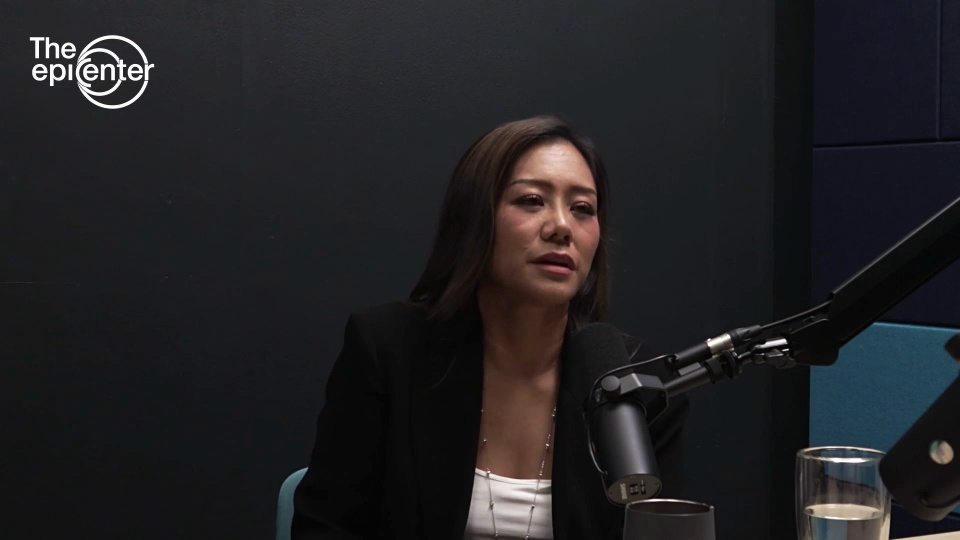
Som Puangladda
Featuring


Episode summary
Together, they explore how fractional CMOs step in to stabilize teams, build marketing foundations, align sales and marketing, and create visibility through data and automation—often in moments of transition or growth. Som also opens up about mindset shifts, boundaries, leadership trust, and why success in fractional roles isn’t about “10x overnight results,” but about clarity, structure, and sustainable progress. The conversation goes deeper into personal branding, women in tech, career flexibility, and what a balanced marketing legacy truly looks like.
What does it actually mean to be a fractional CMO—and who is it really for? In this episode of Epicenter, Ronen sits down with Som, founder of Nomadic Growth, to unpack the realities behind fractional executive leadership. From her early days in PR, music, and enterprise tech sales to leading marketing teams across AdTech, FinTech, and SaaS, Som shares how she built a multi-client fractional career that delivers real impact without burning out.
Key highlights
On what “fractional” really means:
“Fractional isn’t about being half-present. It’s about coming in with focus, experience, and clarity—filling gaps without rocking the boat.”
On success as a fractional leader:
“When the C-suite feels relieved, when teams finally see their data clearly, when sales and marketing start working together—that’s success.”
Episode Timestamps:
*(00:00) Welcome to Epicenter & “It’s time to get fractional”
*(01:30) Som’s unconventional path into tech and marketing
*(03:15) From corporate burnout to the birth of Nomadic Growth
*(04:30) What a Fractional CMO actually does
*(06:30) Setting expectations, deliverables, and realistic timelines
*(08:30) The first 90 days: foundations before growth
*(11:15) Marketing automation, CRM, and visibility as quick wins
*(13:30) Aligning sales and marketing without friction
*(15:40) Managing multiple clients and switching contexts
*(18:20) Boundaries, balance, and choosing the right engagements
*(21:00) Acting as an interim leader in large organizations
*(23:30) Why trust and culture matter more than decks
*(27:00) Being a woman in tech across the US and Asia
*(31:45) Advice for aspiring women and B2B marketers
*(37:15) Legacy, leadership, and defining success on your terms
*(41:50) Quickfire round: books, habits, brands, and inspiration
*(49:00) How to connect with Som
Transcript
[00:00:00] Ronen: We are back for another episode of Epicenter and we feature business leaders and industry influencers [00:00:15] who are shaping to today’s digital economy. It’s time to get fractional.
[00:00:21] Som: Ooh, I love it.
[00:00:22] Ronen: That’s right. So my guest, today is Za welcome. So your background, super [00:00:30] impressive. I was scrolling through it on LinkedIn.
[00:00:32] I think you have like something like 26 different job experiences.
[00:00:37] Som: I’m glad that you actually kept scrolling, right? either I’m too old, Uhhuh, or. [00:00:45] You know, you just have to come to ask me. Right. So half of those are fractional, half of those just got really on point.
[00:00:49] Ronen: Yeah. All right, good. So, so we’re gonna talk about the right subject today.
[00:00:53] but strikingly, I think a lot of them are B2B Tech. Yeah. SaaS media, really [00:01:00] interesting. to be honest, like it’s actually a typical white male tech in tech profile. So, but here you are a successful Asian female.
[00:01:09] Som: Thank you. You What’s up? What’s up? Oh my God. A lot. Give us the backstory. A lot is up A lot.
[00:01:13] is up. Give us the backstory. it’s [00:01:15] awesome and also amazing to be here, with you, Ronan I’ve been following you and also apps flyer from day one and just seeing it out here blossoming is truly amazing and I’m so excited really today to share my story and a few tips. [00:01:30]
[00:01:30] Ronen: Well, give us the backstory.
[00:01:31] How did you get from wherever you are to, to here right now?
[00:01:35] Som: Yeah. going, you know, back deep into my LinkedIn profile, my tech career. Yeah. Started in early two thousands. actually I kind of stumbled into [00:01:45] tech. I was actually working out here, in the PR agency world, after I graduated college, and then it went into the music industry.
[00:01:53] Music. Nice. Yeah. Right before they invented this. Thing called the iPod. Remember those? Oh, it was the iPods. [00:02:00] Wow. And then they got into streaming. And that was a time when I was like, you know, I’m making a change. I’m going back to the States and I picked San Francisco. And guess what?
[00:02:08] There’s no entertainment jobs out there. They’re like, you gotta go down to LA for it. I’m like, oh, okay. But then they ran into [00:02:15] a friend of a friend and he was like, you know, you look like you can sell anything. Come interview at my company. You know, we, at the time, This is way before the cloud.
[00:02:24] And basically I got this job selling Sun Microsystems hardware. [00:02:30] Whoa. Like literally servers. Giant servers. Back then it was inside sales. So I started my tech career in sales actually for a few years, got into software sales and then 2008 happened the big crash. So I got [00:02:45] to be in a marketing role.
[00:02:46] So I kind of pivoted because, I actually graduated in advertising and business and marketing. So it’s like perfect. And that was it. The rest was history. So since then, I’ve been in the software space and then probably the last 10 years. [00:03:00] And, when I moved to New York, then, after a few startups, I went into the ad tech space.
[00:03:05] So the last eight years of my corporate life has been in ad tech. And then the typical pandemic story. you come into the intersection of your life where you’re also [00:03:15] burnt out and then your family also needs you back home. So I had to make a decision to. Quit my corporate job that I had, and then I took a sabbatical While I was forced to in a way. And I didn’t know what to do with myself. And then, a [00:03:30] few friends in the network started calling me to like, Hey, we need your help. Like we need fractional CMO. I’m like. and that term I used to laugh at, to be honest, when I was like, let’s not say full-time over time marketing leader.
[00:03:44] And they’re like, what’s [00:03:45] fractional? It’s impossible to be fractional, you know? But then I realized that, oh, okay, I’ll take on some consulting gigs and. Start weaving into, you know, these companies and startups and being their fractional CMO and it took some time to, [00:04:00] to really get there and to really understand how to be fractional.
[00:04:03] but yeah, that’s how I’m here. And, the birth of Nomadic growth.
[00:04:08] Ronen: So Nomadic Growth is your company?
[00:04:10] Som: Yes.
[00:04:10] Ronen: And I guess that’s the entity which, which you drive all your fractional [00:04:15] work. So. What the hell does it mean to be a fractional CCMO, right? Or A CXO? I mean, like how is it different from a traditional CMO?
[00:04:26] Som: So basically a fractional CMO or [00:04:30] CXO rather. Now there’s fractional cto CFOs is basically a. Part-time marketing leader. And when I say part-time, I’m not talking about, yeah. It’s like instead of like 40 hours a week, it’s 10 hours. It’s really [00:04:45] fractional in terms of giving advice, guidance to the leadership team for the company, or you’re coming into really.
[00:04:54] Fill in the gaps. Or a replacement. Or you’re building, you’re actually the first person in marketing. It [00:05:00] really depends on the stage. So compared to a full-time when you’re there, you’re under one business company goal. You’re here, you. Just for this particular purpose. And it’s always gonna be an interim solution.[00:05:15]
[00:05:15] Ronen: So it’s like a project based,
[00:05:16] Som: it can be project based, it could be area based or channel based, or it literally can be the CEO’s right hand. Or you can actually take the marketing function. Away from the [00:05:30] CEO. And that’s also what a fractional CMO does. But a lot of times you go in also fixing and revamping what is not working.
[00:05:37] Because to be honest, to hire a senior level leadership, and you know this right, it’s gonna take three months, six months, and [00:05:45] sometimes as long as a year. So to come in and really be fractional is to make sure that we’re not rocking the boat right. We’re filling in gaps and then we’re helping. But we can’t help like a full-time.
[00:05:58] Right. And I think that’s [00:06:00] where the main difference is.
[00:06:01] Ronen: So. I guess like when you look at these, the, you know, scoping out projects as a fractional cmo Or a fractional C level, or a fractional, anything, you’re coming in with a specific set of [00:06:15] deliverables and KPIs. A specific timeline.
[00:06:17] What does a typical engagement look like? is it that they’re looking to achieve and how do they say like, oh, this works, or, oh, we just wasted a bunch of money on Som and we’re not gonna get it back?
[00:06:29] Som: Well. [00:06:30] Guess what? I learned the hard way.
[00:06:32] Ronen: Okay.
[00:06:33] Som: because moving from, like I said, over time to part-time was a big challenge.
[00:06:39] would say the first 12 to 18 Of, me to, do this [00:06:45] really, is really about the mindset. Like when you go into a startup or you go into a company. You can’t help it. You wanna help them over there too, and over you hear it, you’re sitting in the leadership meeting, but now you go in and you [00:07:00] really focus on what really needs to be done first.
[00:07:03] So number one is really mapping out what are the priorities. Where’s the pain point here? Is it because you’re missing a leader and you have a team of five or eight or 20, and then you [00:07:15] need someone senior enough who has that experience to come in and like I said, not rock the boat. It’s already, you know, in a rocky place, come in and be that friendly face.
[00:07:26] And then alleviate, you know, the situation. that’s one [00:07:30] scenario. But also setting the expectations of these deliverables too, of like, Ooh, 90 days I think revenue’s gonna pump up 10 x because Psalms here. Oh, that’s not true. And I try, trust me. Right. not to say there’s not enough time, but it’s really [00:07:45] around the first four to six weeks.
[00:07:46] Guess what you’re doing? You’re getting the lay of the land. Oh, I’m lucky enough if I’m going to a ad tech company, ’cause I’ve been in it for eight, 10 years, right? So I can, you know, go in, roll up my sleeves and hit the ground running. Right? but if it’s a different [00:08:00] industry, I got FinTech, I got InsureTech Event Tech, like it goes on, right?
[00:08:04] Yeah. And it’s like. I gotta learn at a high level. I gotta learn the key stakeholders. I gotta build relationships with whoever’s there that’s been doing [00:08:15] marketing, or I also have to hire, or I’m also bringing in my team as a fractional resource as well too. So it’s really about adjust. Thing to having a fractional CMO fractional resource.
[00:08:27] ’cause they’re all used to someone who’s been dedicated, [00:08:30] right? And full time. And it’s really setting up that expectation. So deliverables for me is within 90 days. Usually the sweet spot is like, okay. Four weeks in. Alright. We got a deep dive on what the company does, a product, what is [00:08:45] we’re, what we’re selling, what’s working, what’s not.
[00:08:47] We’re gonna keep this alive. Great. Let’s keep this above water. And then we look at the foundation. When we look at the foundation, we’re thinking about, you know what? You guys are using a lot of Excel spreadsheet here. This is manual. [00:09:00] This taking up too much time of the marketing manager.
[00:09:03] Let’s bring in a CRM. Let’s bring automation platforms. Let’s look at your tech stack. And a lot of times I come in and I’m building that structure for them. And sometimes at the 90 days, we’re lucky to get [00:09:15] a structure that’s working and a framework, and then now we can start driving revenue.
[00:09:20] Is it leads or is it helping sales team? What is it? Or is it. Increasing the share of voice in the market. Okay. So let’s focus on [00:09:30] PR and comms when you have 17 years of experience. You come in and you’re like a toolkit.
[00:09:36] Right. So the deliverables need to be very clear in the first phase, and then we can really talk about strategy and getting the right [00:09:45] resources and then really elevating the team that you have as well too, if we’re not building or fixing.
[00:09:51] Right. So building that foundation and then how does it get to success? Is when literally the C-suite [00:10:00] feels, oh, we feel relieved. That sounds round.
[00:10:03] Ronen: But they need to, I mean, a lot of times, you know, even with new hires and things like that, they come in with a 90 day plan, right? yeah. And,my, my advice is like, take your 90 day plan and throw it out the window because [00:10:15] you know, you gotta focus on learning and not doing right.
[00:10:19] But you also need to make sure that you have the right buy-in. Right? You can come in with guns blazing. Yep. But if the management team or executive team there is not bought in or they have other priorities. Right. [00:10:30] Or trust. Right. Exactly. Trust. Right. Trust is probably the foundation of Exactly.
[00:10:33] Of how you have to start it.
[00:10:34] Som: Exactly. And that’s where the building relationships and fostering that is getting the alignment. Right. And to be honest. In 90 days, I go for the small wins. Right. And now my [00:10:45] deliverables are much more clear. Low hanging fruit. Let’s get to small wins.
[00:10:48] And then the next 90 days or next quarter is where we kind of, elevated a little bit more.
[00:10:54] Ronen: So do you have, like, I mean, you’ve been doing this for a while. [00:11:00] What does, you know, what does success look like? Is there an example? I mean, you don’t need to name a company or anything. But like, just like.
[00:11:08] You’ve come into an engagement, they’ve asked you to X, y, or Z, right? and you know what, [00:11:15] is there something that you can share on what you’ve done?
[00:11:18] Som: Yeah, I think, majority of the companies, and I’m gonna pick on HubSpot today.
[00:11:23] Ronen: Okay. Let’s pick on HubSpot.
[00:11:24] Som: Yeah. So basically. I’ve been using HubSpot for a long time.
[00:11:28] I’ve did a ton of implementations [00:11:30] and customizations and I’m also a certified partner mm-hmm. As well too. and when I come in and I see that they need to graduate from what they’re currently, using or not using anything at all. Yeah. So a lot of the success that I’ve [00:11:45] seen is really taking the head off of rolling it out or migrating from another platform and seeing that dashboard.
[00:11:52] Of like, oh, finally now I can see the sales pipeline. Oh, finally I can see where all these leads are coming from, the website and [00:12:00] where they’re going. Now we can see who’s reading our content. Now we can see leads coming through the case study that we just posted, and it’s really all about data and visibility that they never seen before because.
[00:12:13] Because it’s hard to [00:12:15] really utilize one, marketing Or one resource to really implement it, optimize it, see that there’s ROI from it. So a lot of times in my engagement coming in is really around, alright, where’s [00:12:30] marketing automation? Where’s your cm? CRM? How is sales and marketing aligned?
[00:12:35] Is it through this platform? So that is probably the number one. And a lot of my testimonials has been around, building in these platforms. integrating within how they’re doing things [00:12:45] and start seeing the ROI from it and. When the salespeople happy, they’re happy.
[00:12:51] Ronen: Well, one, one, once they can visualize something.
[00:12:53] Right? Exactly.
[00:12:54] Som: Exactly.
[00:12:55] Ronen: and like, oh, we’ve been waiting for this like for the past three years, and here comes Solomon. It’s like, [00:13:00] boom.
[00:13:00] Som: Yeah. and really it’s tangible. Right? Because it’s data and they see that less time is consumed by everyone. And the setup part could be four weeks to six weeks.
[00:13:10] And they wanna see something tangible too. Oh, great. Song’s around, but, okay. What is, you know, [00:13:15] okay, good. Like the culture, the marketing culture’s good. things are getting checked off in the project management tool. Great. That’s a baseline where you wanna get to, but the value is really how could we really elevate as a team, how can we drive leads?
[00:13:28] How can we get more [00:13:30] alignment with sales? A lot of times I step into companies. It’s a sales led marketing team. Which means they’re just being reactive.
[00:13:36] Ronen: Oh, sales
[00:13:36] Som: needs, we gotta do this. But coming in is flipping that. Yeah. No guys, we’re gonna, we’re now we’re gonna be a marketing team.
[00:13:42] They’re gonna listen to us as well too. Right? Right. [00:13:45] We’re gonna be that happy Married, married couple. It’s a two-way street here. Right? ’cause a lot of times, startups, they want customers. So we all need customers. No. But then there’s also this whole other world of retaining your customers. As [00:14:00] well too, which they don’t have resources to get to.
[00:14:02] That newsletter, keeping the customers happy. Right. Alright. Som you come in and do these things that we don’t have time to do. And I think that’s one thing, taking things off their plate. And visually, like you said, seeing [00:14:15] data and it doesn’t have to be like, wow, like 10 x everything. But visually seeing data and seeing that, ah, this is life changing.
[00:14:25] I now have, you know, marketing automation tool. I don’t have to use this dinky tool [00:14:30] anymore. You know, and Somem has shown the way, you know, and to be honest, I’m also that kind of fractional. CMO, or resource that comes in and show them that it can be easy. Because it looks you know, intimidating, you know, to come in and it’s a lot [00:14:45] of money investing in tools, but coming in at ease and being.
[00:14:49] Guys, it’s okay. We’re gonna get this up and running. You know, your sales teams are gonna be happy using your marketing team. Right. and I think that’s where it really makes a move in terms of, success.
[00:14:59] Ronen: So you said [00:15:00] something pretty,I thought it was interesting. hey, we’re some right?
[00:15:06] So. I mean, assuming that fractional doesn’t mean one, it’s like, okay, there’s a fifth of Psalm here.
[00:15:12] Som: Exactly.
[00:15:13] Ronen: Where’s the other [00:15:15] four-fifths of Psalm and how do you, like, how do you distribute your time Between the different engagements and a lot of people can’t switch gears like that. It takes a special kind of mind to be able to say like, okay, today I’m dealing with the FinTech tomorrow [00:15:30] I’m like an event, right?
[00:15:31] Yeah. Yeah. how do you do this? Like how do you switch gears? How do you manage these different engagements that you’re doing all at the same time?
[00:15:38] Som: Yeah. And going back to expectations. Yeah. Right. And again, I also learned this a hard way. Because I was spreading myself way too thin in [00:15:45] the first 12 months because I wanted to be the everything for everyone, because that’s how I was I was full time.
[00:15:50] Ronen: You were a yes person. Yeah,
[00:15:51] Som: I was a yes person. And then I learned through the years that I need to step back and it’s okay. Some things can wait. [00:16:00] Same thing, you don’t need to respond to the slack right away. But the main thing I do every Monday really is finding those priorities. Right.
[00:16:08] And as long as I communicate And push back and be, have that confidence to be like, guys, it’s gonna have to move to [00:16:15] next week because there’s a wrench tossed in. There’s always a wrench that’s being tossed in. Every week. Right. So prioritizing the clients. For example, this week I need to go to a conference.
[00:16:26] Right. And they need me, then I push. I’m able to push this out where [00:16:30] I work a little bit late and let’s not mention I’m on every time zone. As well too. And trust me, I do get sleep and my favorite line in these past three years is like, wait, som you have other clients I didn’t even notice.[00:16:45]
[00:16:45] And it is, and it’s so crazy because, well, you’re. Answering the slack at 6:00 PM and you’re also answering at midnight, you know, or some days are like that, but most days it’s not like that. And there’s this thing called schedule slack.
[00:16:58] Ronen: Yeah. Okay. [00:17:00] That,
[00:17:00] Som: that you kind of prep on your own time Uhhuh when you need updates.
[00:17:03] Right. And seeing what clients really wanna see, or the CEO or the C-suite. Is that she’s around and she’s providing updates and she’s bringing up roadblocks. And this really comes with boundaries as well [00:17:15] too. There are certain things that clients need from me, but I realize that’s not really a priority.
[00:17:19] I’ll answer it later.
[00:17:21] Ronen: Right.
[00:17:21] Som: So it’s setting those expectations so you’re helping them
[00:17:23] Ronen: prioritize too. Right. Exactly.
[00:17:25] Som: And realize like that used to be a priority for you. [00:17:30] Guess what? This is a priority. And we could push this out.
[00:17:34] And
[00:17:34] it’s really about that because, you know, at a C-suite level, everything’s like a priority or things are getting stuck there.
[00:17:42] And for me, like letting them ease [00:17:45] in and be like. Don’t stress about this, it’s actually okay. You know, is the main thing. And boundaries. Balance. And to be honest, being physically fit as well too, and being able to juggle. and like literally between these [00:18:00] industries. is very key.
[00:18:02] and for me it’s really the Mondays before I kick off the week.
[00:18:05] Ronen: So you said boundaries, balance. I want to add a third one into their benefits, right?
[00:18:09] Som: yes.
[00:18:09] Ronen: What are the benefits in being fractional, right? Like, what is it that, being fractional [00:18:15] affords you, right? Not in terms of money, but just your time and your resource and how you prioritize your own life.
[00:18:21] Som: Yeah. like I said, I came back to take care of my family. especially my mom and aunt and being able to [00:18:30] front load the week with what I need to do, right. With these weekly statuses, updates, and make sure that everything’s delegated. I also remember I have a fractional team, right, which also took like almost two years to get to appointment.
[00:18:43] Yes, I have [00:18:45] the right contractors. I have, the fractional resources that I need. They know exactly what they need to do. I put them on this client account. Right. So now I have help. At first I was doing everything. And the reason why I did everything is to really understand what needs to be done.
[00:18:58] I can’t go hire someone [00:19:00] fractional unless I could do that specific task, or that specific area myself. Right. so now that I have help, Helping my family and also being able to get a workout routine in hanging with friends, also doing BD work. [00:19:15] Flying to another conference is really about balancing out your physical and your mental
[00:19:20] state, to be honest, every week, and that’s why going back to the Monday planning, but what I need in my life now is the flexibility. In the professional world and [00:19:30] also my. In my personal life. Which I can finally say this year has been really on point because one thing that I learned is that what stage does a company need some?
[00:19:41] Right. Or a fractional CMO if I [00:19:45] realize in the 90 days that I think this is gonna take more time. And this is very stressful. Like for example, if we have. The management team or leadership team that are not letting go of [00:20:00] things or the approval process is still long, you’ve gotta pick those battles.
[00:20:03] Right. And for me it’s also around picking the right fit. As well too. And they may not know today, but in the future they may. So that’s where sometimes at 90 days you realize it’s not a good [00:20:15] fit. You know, or something else happens, at the company stage. But I think. I kind of know where the sweet spot is now and what stage I go into and how do I help.
[00:20:25] And again, going back to setting those expectations will cause me less stress.
[00:20:29] Ronen: As well. [00:20:30] Is that why working directly with the C-Suite? So for example, like the CEO, like. That seems like it’s pretty critical to success because they can remove roadblocks, approve stuff, and, you know, the small companies, [00:20:45] less politics, big companies, more politics, huge companies, more ity, right?
[00:20:49] Yeah. Like, nothing gets done. Right,
[00:20:51] Som: exactly. But I’ve, I also worked at, some big companies as well too, as a fractional CMO. And going in and managing like 20,
[00:20:59] Ronen: like how [00:21:00] big of a company.
[00:21:01] Som: Very big.
[00:21:01] Ronen: Like
[00:21:02] Som: thousands.
[00:21:03] Ronen: Thousands.
[00:21:03] Som: Yeah. But this one area of marketing had like 20 marketers all over in like three different, time zones.
[00:21:11] Right. And it’s going in and really helping them [00:21:15] maintain. Is
[00:21:15] Ronen: that in the absence of A CMO? Exactly. Okay. Yeah.
[00:21:19] Som: And those replacements are really like, okay. We have some. We haven’t. We haven’t. So
[00:21:23] Ronen: you’re like a stop gap or a filler.
[00:21:25] Som: Exactly. And those, to be honest, is really keeping [00:21:30] what is current Working. And if we have time and resource for improvement, we’ll go there as well too. But we just need to keep everybody. While we don’t have a full-time leader. And just going in and, creating an environment where we’re collaborating, helping with the culture within [00:21:45] the marketing team. Still having fun and doing things and bringing the CEO sometimes for the meetings, oh, he still cares.
[00:21:51] Great. I mean, that’s a easy thing to do, but you gotta think about all these things. Right. And make sure that we’re there for them. We have to agree. [00:22:00] Being in a position where you’re managing and having direct reports. Half the time you’re a therapist.
[00:22:04] Ronen: Yeah. People, managers.
[00:22:06] Som: Yeah. Yeah. And you’re listening to their problems.
[00:22:08] Sometimes you didn’t need someone to listen and at the end of the week. I’m messaging the CEO [00:22:15] or whoever hired me in wrap up report.
[00:22:17] Roblox here, blah, blah, blah. We need to make sure you give some attention to this or this person. That’s what they need. Right. and I’ve done a few of those. but always very, like, more like very into rim.
[00:22:29] [00:22:30] Like it’s more short term. Usually it’s like three months.
[00:22:32] Ronen: it’s funny how. in companies that when their own people are saying something, sometimes the voice gets drained out or blocked. Like, okay, yeah, whatever. But then you bring in some outsider and they point out [00:22:45] the exact same thing.
[00:22:46] Yes. And then all of a sudden it’s like, oh my God, we have a problem here.
[00:22:50] Som: And it’s validation. Yeah. And it’s also a validation with a solution that I don’t know if it’s gonna work. I’ve never worked. Your exact company. Right. [00:23:00] and then it’s just really having a partner in, within that team to have a third party come in and like, okay, let’s work on this together.
[00:23:07] And it’s really driving something forward. Right. And for me, I sometimes look at it. Like I’m a [00:23:15] camouflage mode
[00:23:15] Ronen: Mode.
[00:23:16] Som: I go in and I blend.
[00:23:18] Ronen: Fly on the wall.
[00:23:19] Som: Yeah. Fly on the wall. And kind of, again, I like to say friendly face. And the only reason why is because, not that I have PTSD, but every time there’s a consultant that comes in, [00:23:30] I get a little like edgy.
[00:23:31] I’m like. What is this person gonna do? is this person gonna go and report like who’s, you know, not performing or like is or drop on the line? And this is when I was younger, right? And consultants do have that reputation. Yeah. Right? Coming in and like showing that amazing deck. You [00:23:45] guys gotta do all of this.
[00:23:46] And they just kind of disappear. So when I started Nomadic Growth, I wanted to be, the consultant or the, you know, fractional resource that kind of immerses myself Into their culture and [00:24:00] company, so they don’t feel like I’m an outsider. So that’s where the relationship really kind of builds out, right?
[00:24:06] It’s like. Oh, some’s around. She just attended a virtual happy hour. Great. You know, it’s just like fostering all that because you can get things done. And there’s transparency [00:24:15] as well too, right? In order for you to succeed is also making sure that you have these relationships and going back to the trust and credibility, right?
[00:24:23] You come in, great, you have a great profile, you’ve done all of this. But guess what? Our industry is different. You can’t really [00:24:30] apply. Okay, so tell me. What works so I can go make that happen as well too. And a lot of times they have ideas, they don’t have the resources to do so, but we’ll try it.
[00:24:39] And most of the time it’s trial and error. Okay, good. We validated this didn’t work. [00:24:45] Let’s try this. Right. Minimal budget resources. Right. And I must say, a lot of times the end goal The end of the engagement leads to we’re ready to hire a full-time,dot. What is it?
[00:24:59] Ronen: [00:25:00] At
[00:25:00] Som: first I may have a, I think you guys probably need CMO.
[00:25:03] Actually guys keep the budget for next year. This year I think we just need a senior marketing manager. That could actually, you know, run events and also help do PR and help build out the [00:25:15] content engine and keep this going and coming in with some experience and marketing operations as well. And kind of take what I built.
[00:25:22] Onwards. I’ll help hire, I’ll help train if he needs a mentor, great. And that person may ramp up into being the leader. [00:25:30] One day. And could be that. Right. It’s really about figuring it out and being there, you know? And like you said, like the third party voice.
[00:25:36] Ronen: I’m sure you’ve been asked, can we hire you full time?
[00:25:40] Som: Yes. And you always go back
[00:25:42] Ronen: and how do you say no? [00:25:45]
[00:25:45] Som: Oh, I have to admit it. it is tempting. Yeah. But I feel like I. I have so much stimulation. And joy in working in different industries. And also learning about how companies grow and learning about all these different characters that I come [00:26:00] across and especially the younger CEOs, seeing them grow. It just really helps, like it, it really motivates me to do what I do. So to me, like it’s always like a hard and easy, no, [00:26:15] like, like I would love to be full-time at a lot of these companies, but at the end of the day comes back to what you asked.
[00:26:22] The flexibility. Right. I know what it’s like to be full-time. maybe I won’t go back to being [00:26:30] overtime. Right. like how you used to, but to me, like valuing, my time, my flexibility for myself and having this balance is just the experience and the richness that. I probably can’t get from a company.
[00:26:44] Right. And [00:26:45] having my own company and being my own boss Is also truly, you know, something that, that really motivates me to continue to do it.
[00:26:53] Ronen: It’s very inspiring. maybe I’m gonna shift gears. Yeah. Because. [00:27:00] I mean, I think that as I mentioned in the beginning, like your profile reads like a male tech, you know, candidate.
[00:27:06] But here you are like, you know, a successful female executive, right? How, what do you tell other females [00:27:15] who are Who are basically, you know, in their early parts of, or maybe later in their careers where, you know, like you’re quite an inspiration. Like, how do you survive in this male dominated world?
[00:27:26] Som: Yeah. coming from the states where it’s so [00:27:30] obvious, oh my God, it’s everywhere. It’s all over the media. It’s all over your wall, you know, at your office. Right. it’s in the town halls. You talk about it. I think it’s the past five to 10 years. [00:27:45] I, let’s just say five. It’s just been more obvious.
[00:27:48] for me, the challenges has never really been about being in the boys club. I think it’s more about the nuances in taking some of these things very personally. Oh, [00:28:00] an idea got brought out into the meeting. Oh yeah. We were talking about it over beers yesterday. I’m like, They didn’t invite me, you know?
[00:28:09] And it just happened to be, Right? Or they went to a ball game and the ideas happened there and [00:28:15] I wasn’t there, or I wasn’t invited to this meeting, or I get remarks that, okay, don’t be too sensitive. You know, or whatnot. And I’m just sometimes, and most of the time, the only female in the room and of color.
[00:28:27] As well too. but I think it’s really [00:28:30] about how we combat it, right? how we set the stage there. And I think women are getting a lot more confident, not just from all this content and for it being this checklist of every company, but making it a norm.
[00:28:42] Like, Hey guys, like, I’d love to [00:28:45] be in that meeting.
[00:28:45] I know it’s not my area, but I think I could, you know, give some perspective on it or I pull up a chair. Right. If the opportunity’s not there, make it a norm. I think it’s really, About shifting, the boys club Mentality. And it may not even be a [00:29:00] mentality, it may just be like it just happened to be.
[00:29:01] Because it’s just a bunch of dudes sitting around. Right. I know, like in the engineering department, it was always a case of a. That HR head of people come up, guys, we only have like 12%, female [00:29:15] engineers. Like we need to up it to 25% and that’s like her KPI, right? I’m like, okay, what do we do?
[00:29:21] You know, like, and it’s really about putting the education out there that you can do this job, right? Even if, the requirements may not be a good fit, but apply anyway. [00:29:30] Don’t think that. You know, it’s, it’s probably a guy’s job. You know, and you don’t have the confidence and you’re also scared that it’s gonna be a ton of male engineers and stuff.
[00:29:38] But it’s also around creating that culture. Right. And educating, you know, everybody in the company. Like I, [00:29:45] I built a lot of like women’s groups and drove a lot of those communities and it’s really around getting it to be a norm. And coming out here on this side of the world, I didn’t really, Run into this issue as much. And also [00:30:00] not just ’cause I’m also Thai. And I’m Asian, yeah. But also a lot of my clients. 95% are all male, like leadership team. Right. or on the board as well too. I feel that it’s a lot more, flexible, [00:30:15] I would say in just like, oh yeah, let’s bring this person in.
[00:30:18] That person. It’s like they, they seem a lot more comfortable. Because no one is making it an issue. Right. Because in the states, I felt like it was just a. And,it’s nationwide. You know, it’s every industry they’re talking about it. [00:30:30] Right. Right. and if we don’t make an issue and we make it feel like it’s just a norm to have it, then I think humans are very flexible in just adjusting To what it is. And also I think, being out here,able to get more [00:30:45] recognized, and. The men are also more vocal. And calling you out, giving you kudos on Slack and all of that. And I just feel that it’s more. Obvious that it’s a norm here. and I don’t think it’s too much of an issue, but to see it from [00:31:00] both sides, I think at the end of the day, it’s just really being comfortable and you sharing that voice and making men comfortable around that too.
[00:31:07] So I don’t think, I think this issue is gonna go away eventually. To be honest. ’cause you know, it’s getting more like ingrained into the company [00:31:15] cultures and such.
[00:31:16] Ronen: So it sounds like being in, back in Asia, That expectation or that norm is just not there. Yeah.
[00:31:23] Som: Like
[00:31:23] Ronen: it, like, you had experience in the states, in the us Absolutely.
[00:31:26] Som: Absolutely.
[00:31:27] Ronen: what do you tell a, a young [00:31:30] aspiring. Woman in tech, like, you know, what’s your advice to them?
[00:31:35] Som: you know, I think for me having a long time career in tech and it’s been because on both
[00:31:42] Ronen: sides of the pond, right? Yeah.
[00:31:43] Som: Yeah. it’s an, it’s [00:31:45] amazing, path because now with ai, now with where technology is going.
[00:31:51] You wanna be a part of this. and I think a lot of times a lot of marketers, I’ll talk about marketers, especially B2B As well [00:32:00] too, because I know the B2C is a lot more sexy and exciting and fun and, you know, a lot of the younger generations wanna go into it. But B2B marketing now is, especially on this side of the world, is pretty much a niche.
[00:32:11] I would say. It won’t take five years for you [00:32:15] to get to the director level, VP level. Right. It’s really about you helping the company and the sales team break into their customer base, expanding into markets and the tactics now, and how [00:32:30] AI has been helping. On the content side, helping, even on the design side, helping even with strategies as a baseline or even making you work faster.
[00:32:40] it, it is accelerated. By a ton. So one thing in being a [00:32:45] marketer, in building your personal brand, which I really want to give tips on this. which is something that I worked so hard for and I had bosses that allowed me to go speak and go create these, Women’s groups or women in tech groups, or tech marketers group, I feel so blessed [00:33:00] To be able to do a lot of that and really build my own personal brand because, you know, when you’re at a company, you may not be there forever. We don’t even know if the CEO’s gonna be there forever. Right. You always have to think long term for yourself. How are you upskilling yourself and [00:33:15] how are you.
[00:33:15] Going on social and sharing an article, doing a POV constantly around marketing, because right now, we are running into these issues that yeah, everyone’s post is mostly AI generated. It’s not just [00:33:30] polishing, and making it, you know, sound good anymore. It’s like the whole thing Yeah. is ai and I know like LinkedIn is now detecting all of that and even recruiters and all that.
[00:33:38] but at the end of the day, there is a career in tech. for women. it’s inspiring. You know, it’s [00:33:45] rewarding and that’s one big part of my mission. and let’s toss that into the flexibility bucket, which I do is I go speak, I be mentors. You know, I go on stage. I try to help the ecosystem out here.
[00:33:58] ’cause I know there’s less and [00:34:00] less of B2B marketers, so I actually take a lot of time in grooming local marketers. And also when I hire, I also give them that path Of like, there is a career, you know, you can [00:34:15] elevate here and there. You can like, you know, work at a regional level. Right.
[00:34:19] Because other regions are probably, you know, have a lot more talent in B2B marketing. More or less in, in Thailand, I would say especially internationally. So for me, [00:34:30] for the Thai ecosystem, I just love, like putting myself out there inspiring the young marketers. And especially in the B2B space.
[00:34:37] So, There’s a lot of podcasts, there’s a lot of content, and also a lot of tools that needs to be learned and to be [00:34:45] better in it. But I think the mentorship that I provide, here and there with a lot of marketers, especially at the client level or. My own fractional resources has just been really great and for me, I just wanna keep sharing.
[00:34:59] So thank you [00:35:00] so much for this platform, to be able, I’m actually gonna cut this bit as well too and kind of send it off to some.
[00:35:06] Ronen: Don’t worry. We’ll help you with that. We’ll slice it and dice it Yes. And give you some shorts that you can send to people. Send.
[00:35:12] Som: Awesome.
[00:35:12] Ronen: Yeah. this is really cool. and I think [00:35:15] it, it’s, again, it continues to be very inspiring.
[00:35:18] to hear what you’re doing. Specifically, like, I think that a lot of people think about their own careers and their own progression and where they go. Yeah. A lot of times people don’t, they just look for the next job. They never [00:35:30] think of, oh, my next job could be my own job. Right. It could be, I could be a fractional CMO or I could be a fractional, customer success, or Exactly.
[00:35:38] Fractional sales leader or something like that. So I think there’s the, it opens up another path, just. Like, I don’t even know how long [00:35:45] fractional has been around for. I don’t actually, I’ve only started hearing Yeah.
[00:35:49] Som: More and more recently. Yeah,
[00:35:50] Ronen: more recently.
[00:35:51] Som: Right.
[00:35:51] Ronen: so I think it’s definitely a, it opens up another career path and how people can start thinking of their own, progression.
[00:35:57] Right,
[00:35:57] Som: exactly. And, not going [00:36:00] back to, the woman’s subject, but even. You know, female executives that I don’t know came back from maternity leave. And wanna spend more time with their kids. Fractional is the way to go as well too. [00:36:15] Yeah. Lower those hours still make an impact within those hours.
[00:36:18] Right. And going back to make them feel like it’s not. Part-time. Yeah. Because we’re making fractional success as well too. And multiple [00:36:30] fractional success.
[00:36:30] Ronen: Fractionally full-time will be full.
[00:36:32] Som: Exactly. Yeah. Right. And it’s really about the small wins and making an impact. And I think, those that, higher fractional CMOs.
[00:36:40] That’s what they want to see Is, you know, the tangible stuff. Great. The data [00:36:45] shows it awesome. The team feeling good about it. And that’s great. And I think, as women, as they, go through the different stages of their lives As well too. Like this is definitely a cri
[00:36:56] Ronen: Yeah.
[00:36:56] Som: You know, and the flexibility is definitely there, but [00:37:00] you have to make of it.
[00:37:01] Ronen: Yeah. A lot of times, like during our careers and, we think about the legacy that we wanna have, right? Have you thought about your own legacy and what it is that you wanna leave behind? [00:37:15]
[00:37:15] Som: Ah. Yeah. So, you know, when I think about my legacy as a B2B marketer yeah. I think building nomadic roles really, painted that, that picture for me.
[00:37:27] And I think I could say that today, you know, [00:37:30] being able to help dozens of companies, you know, across the globe And different time zones, and being able to have a balanced life. like now. it’s a legacy I want to leave behind and all the hard work, all the rejections, [00:37:45] all the layoffs that I’ve been through, you know, the ups and downs of the corporate world, is all paying off.
[00:37:52] Because I can become a toolkit for these companies. And really like, here, I got this and I’m gonna adjust to this. [00:38:00] And also getting to learn new things from all these different companies. Right. I wanna leave off where being a marketing legend is really being a balanced one.
[00:38:12] I think that’s the main thing because. [00:38:15] You’re not only giving tips and guidance on the marketing side, but how you handle the stress, how you be, you know, how you handle the schedule. The schedules. How do you push back, how do you create these boundaries? Right. Where you take it up with the ceo and how do you be confident [00:38:30] to say something that I would say 10 years back, I wouldn’t dare to say.
[00:38:34] And sometimes it’s not about, being direct or you’re in your mind about you’re not being nice. But it’s just being transparent. And it’s two different things. And I worked a [00:38:45] lot with my, executive coaches, for years on this. And all of that has really contributed to me being a fractional CMO.
[00:38:53] And I’m very thankful for a lot of coaches that have, I’ve gone through in my career to be able to say like, yeah, [00:39:00] I feel like a hybrid. I can be a hybrid marketer and I also can be a balanced marketer. And on a fractional level,
[00:39:08] Ronen: you know, one of the. I was recently asked, what are one of the common themes that I hear from people [00:39:15] while doing this podcast?
[00:39:16] And I think it’s, it, one of the most interesting thing is that, it is only when people are looking back and seeing points in their journey that they realize, like how, [00:39:30] instrumental and how pivotal it has been in, in how it helped shape them who they are today.
[00:39:35] Som: Exactly like the boss that made me cry.
[00:39:38] Yeah. Or the boss that didn’t promote me. Yeah. Or the hiring manager that didn’t take me when I thought I was a good fit. It [00:39:45] all happened for a reason. Yeah. And this podcast alone is getting me to look back because I’ve just been going Ronan for three years. I’ve been doing, yeah. I’ve been building nomadic growth.
[00:39:54] I’m scaling companies, but I’m also scaling myself and my company. Right. So for [00:40:00] me at, you know, at the tail end of my career to look back. It’s really a full circle moment and it keeps happening.
[00:40:07] Ronen: I wouldn’t say this is the tail end. I, yeah, I think you’re just getting started on doing something that you truly love, right?
[00:40:13] Yeah. Yeah. And [00:40:15] that you believe in, and I think it’s quite inspirational and you know, part of. The purpose of doing this specific podcast has been actually to surface what being fractional is, right?
[00:40:25] Som: Yeah. Yeah. And it is possible and and it is a [00:40:30] career. And it’s just not a time off. I’m gonna be fractional so I can go back to corporate.
[00:40:34] There’s a way to go back to corporate Yeah. As well. Right. You can go back and be part-time. It doesn’t say that to and all be all. Right. It does. It has to, it doesn’t have to be one way [00:40:45] or the other. You can go back now and propose your own offering
[00:40:50] Ronen: Of
[00:40:50] Som: like, Hey, you know, I wanna come back, but I think I wanna be fractional.
[00:40:56] Ronen: I love it. I love it. It’s very cool. I never end these things [00:41:00] without doing a quickfire round. And sometimes our quickfire rounds are substantial too.
[00:41:05] Som: Okay. You wanna retake that? I just drank water.
[00:41:08] Ronen: No, that’s
[00:41:08] Som: fine. Good. Okay.
[00:41:09] Ronen: It’s fine. we’re, you know, we’re hanging out. We’re hanging out. Like no one knows what we have in our mugs, right?
[00:41:13] Oh
[00:41:13] Som: yeah.
[00:41:14] Ronen: Come [00:41:15] on. Cheers. Cheers. There we go. Cheer. We’re at
[00:41:16] Som: the epicenter. Anything can happen.
[00:41:19] Ronen: Yeah. I just gave, SMA tour of the gin bar.
[00:41:21] Som: Yeah. I love it. She’s like,
[00:41:22] Ronen: oh, can we do an event here? I was like, sure. Really
[00:41:25] Som: great space here. I love it.
[00:41:26] Ronen: Yeah. It’s actually not, I mean, it’s not too common to have [00:41:30] this type of, bustling tech company here in, in Bangkok.
[00:41:33] Right, exactly. There’s not many of us. So,
[00:41:35] Som: I missed, the office life. I miss decorating my desk. Oh,
[00:41:38] Ronen: wait, hold on. Are you, away
[00:41:39] Som: Right.
[00:41:39] Ronen: Are you insinuating that you could go full time? So [00:41:45] are you ready? I’m ready. Are you ready? Are you down? Must read book.
[00:41:51] Som: Oh wow. The power of now.
[00:41:53] Ronen: The power of Now. Why
[00:41:56] Som: You met me at Good Time, Ron.
[00:41:58] Ronen: What for you to say yes to coming [00:42:00] onto the podcast?
[00:42:01] Som: No. I used to be this person who was rushing
[00:42:05] Through life, work, my career. The faster, the better, the busier, the better. I never even. [00:42:15] Looked in the mirror.
[00:42:16] Ronen: Wow.
[00:42:17] Som: Wow. And that was a life. And it was a life on overdrive.
[00:42:20] And it was a life that I was just hurrying to create more goals for myself because I’m so good at completing tasks and forgetting about [00:42:30] breathing and really enjoying the moment and really being present this book. It’s a little hard to read. But as I have grown and I keep going back and reading more chapters, I understand [00:42:45] it a lot more and how I disconnect.
[00:42:49] some thoughts can linger, some disappointment, rejection or resentment, whatever. It can linger. But if you just quickly meditate, disconnect. You’re able to just [00:43:00] like live in the now and really focus and then it resolves. And now you can move on and enjoying and celebrating the wins. I never had time.
[00:43:09] I did. Okay. Quickly, and then I’m moving on to the next thing. I was running a thousand miles and [00:43:15] hours. It was insane, but I was good at it.
[00:43:17] Ronen: But I
[00:43:18] Som: didn’t realize, but other areas of my life that I really need to improve and take a step back. And I think that’s where the sabbatical was, just the beginning of it.
[00:43:28] And now that I can weave [00:43:30] in my personal and professional life. And actually have both In my hand and not sacrifice the personal life and what I wanted. It’s, it truly is mind blowing what you can do when you just really can focus on the now and that book [00:43:45] really. Else. do I get to say another book?
[00:43:48] Ronen: You can say another book.
[00:43:49] Som: Atomic Habits is also Atomic Habits. James. Clear. Oh yeah. So good. So good. Like building routines. And it’s not even building, routines alone, it’s building, the mindset. Towards that routine. [00:44:00] Yes. Why is it that you didn’t wanna do it? Why is it so hard to pick it up?
[00:44:04] Why is it so hard to do strength training? three times a week. Oh. why are you not reading that book or whatever it is? Right. And there’s so many good tips in there, and it’s really [00:44:15] because I’m, I would say I’m a pretty disciplined person. When I have to be. And most of the time I am.
[00:44:20] And I, and you know, and I’m very determined. but one tip that I really loved from the book was really about attacking a new [00:44:30] routine onto. An existing routine.
[00:44:34] And prioritizing which routine will, will really make an impact. And I try that for a few weeks and I was like, this is so great. And that applies to everything.
[00:44:44] [00:44:45] Like even a routine is about not texting someone. Or someone that’s just like, just not contributing, for example. That’s also building routine because you text someone every day.
[00:44:55] Ronen: Yeah.
[00:44:55] Som: Right. and it’s really about that as well too. So I love it tho [00:45:00] those two books is something I go back and read a lot of times.
[00:45:03] Ronen: That’s a good book. I should reread it too.
[00:45:06] Som: Yeah.
[00:45:07] Ronen: Meditate or work out.
[00:45:09] Som: Oh, work out.
[00:45:12] Ronen: Famous person that you haven’t met but you [00:45:15] really wanna meet.
[00:45:16] Som: Oh, this is a hard one. I’m gonna say Elizabeth Gilbert.
[00:45:23] Ronen: Who’s that? Did I just out myself?
[00:45:28] Som: Okay. Eat, pray, love, [00:45:30]
[00:45:30] Ronen: eat, pray, love. Oh yeah,
[00:45:31] Som: I know the movie. it’s based on, Elizabeth Gilbert.
[00:45:35] she was at her point in life where she took the plunge and she quit her job. And at that time when I watched the movie, I was like. Wow, [00:45:45] that seems so distant. There’s no way I would do something like that. And she just took a leap of faith and she went, like, for me personally, like it sounds like I have the bravery and courage to do that all the time, but for certain things like.
[00:45:59] You can’t, and [00:46:00] with work, that was one, one thing I felt was really hard. Took me like six months to actually quit my job. And I think she was a real inspiration and I would love to meet her in person to really talk about, you know, the next. Phases of her life [00:46:15] and where she’s going as well too.
[00:46:17] and actually kind of go and rewatch the movie as well too, and read the book.
[00:46:23] Ronen: Is there a brand that you would love to be the CMO of and why?
[00:46:27] Som: Ooh. Wow, this is, [00:46:30] this is also a hard one.
[00:46:32] Ronen: Well, you’re not supposed to ask easy questions.
[00:46:35] Som: a brand, I’m gonna pick a brand where I interviewed for. And, I didn’t make it, I didn’t make the cut. this was, years [00:46:45] ago in New York. Was
[00:46:46] Ronen: ClassPass. Yeah.
[00:46:48] Som: so it started. Out in New York and I was probably one of the early birds and it got me to go to classes And work out. And as, and you imagine like living in New [00:47:00] York, it’s just really tough.
[00:47:01] Going through the four seasons, you’re, you’d rather go out drinking, like health comes last.
[00:47:06] Ronen: Health comes last in New
[00:47:07] Som: York. Yeah. And it does. You gotta survive first. Yeah. Right. And, And the reason why I really like ClassPass, because [00:47:15] I followed through how the brand evolved
[00:47:17] through the years, and the way it looks, the app and there’s there, there are players that come in, but. Never surpassed class past. And now to be using it in Thailand and in [00:47:30] Asia is really cool. because it got me to go back to taking classes and, restarting my workout routine and all of that, if I had the chance to be, the CMO, again, I wanna take this a lot further.
[00:47:44] Ronen: That’s awesome. [00:47:45] Do you have a favorite quote?
[00:47:48] Som: Oh, favorite quote?
[00:47:55] I have so many,[00:48:00]
[00:48:01] I have a quote that I used to have, in my bathroom mirror and it was there
[00:48:10] Ronen: uhhuh
[00:48:11] Som: and it was even nature weights. [00:48:15] It was along those lines, and I don’t have it anymore because I’m so much more patient. Uhhuh now. And when you think about that, nature is above us all. Yeah. And if nature [00:48:30] can wait, why am I in a rush?
[00:48:32] Wow. And it was something I saw every time I brushed my teeth and I was like, okay, today I’m gonna take it easy. But it was very hard. It’s like with anything like meditation, like you can’t apply it to your [00:48:45] life. Yeah. Like it’s so hard. And you can’t rush a meditation, you can’t rush a meditation.
[00:48:51] And that stuck with me forever. So every time I’m in a rush these days, I say to myself. wait. This can wait. Nature even waits and it’s gonna be [00:49:00] okay. That’s good.
[00:49:01] Ronen: As you’re sitting on the toilet. Som this has really been amazing. by the way, how does someone contact you if they wanna,learn and be inspired by you?
[00:49:12] Som: Oh, wow. yeah, you can find me on [00:49:15] LinkedIn. nomadic growth, or you can just email me as well too. [email protected].
[00:49:20] Ronen: There it is. Psalm in the house. Yes. Thank you for sharing your fractional life with us.
[00:49:27] Som: Oh, thank you so much. I’m at the center. Oh, [00:49:30] so much. Thank you so much.
[00:49:31] Ronen: Ah, this has been beautiful.
[00:49:33] All right. See you all next time.
Meet our host



Explore more resources
Uncover AppFlyer’s wealth of expertise and in-depth resources, to empower your growth and success in today’s dynamic market.


