
From NBA China to Equity Startup: Andy Lee on Building Sprout Across Asia's Most Complex Markets
From Startup Operator to Climate Investor: Djoann Fal on Funding the Technologies That Actually Move the Needle
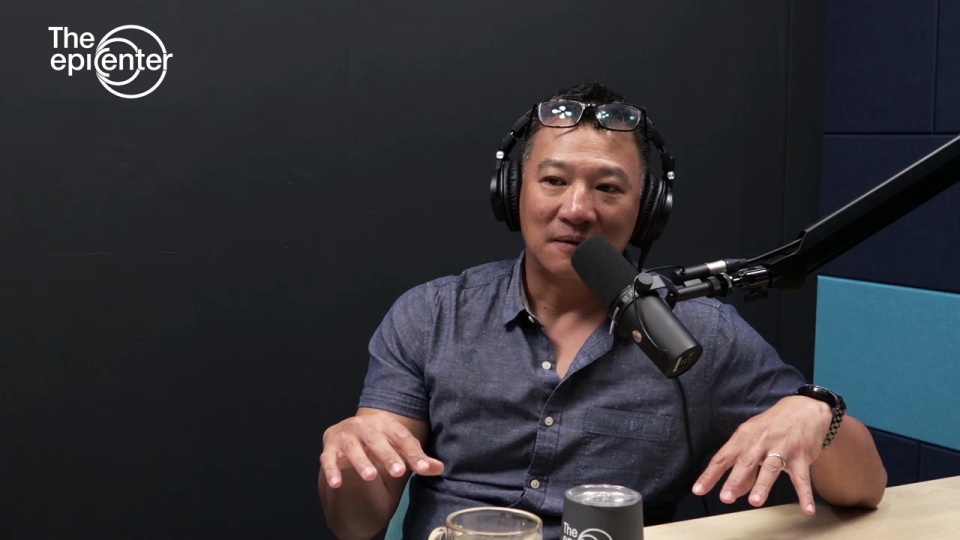
Andy Lee
0:00
0:00
Featuring

Andy Lee
Co-Founder & CEO, Roots Technologies (Sprout / Fum)

Episode summary
Andy Lee spent 25 years building media and tech businesses across China and Asia—from investment banking to STAR TV, the NBA China operation, gaming startup Kabam, and Uber’s corporate development in APAC. That career built a specific lens: what makes a company hard to replicate, how to read a market honestly, and when to walk away versus go all in. He now runs Roots Technologies, the company behind Sprout and Fum—the first platform to manage both equity and token compensation in one place.
Sprout came out of a real problem Andy experienced firsthand. Equity management platforms were built for American companies, full of US-centric fields that made no sense for teams in Beijing or Jakarta. Meanwhile, the people who understood the legal complexity of ESOPs and token vesting weren’t software builders—and the software builders didn’t have that domain knowledge. Andy and his co-founder Tony spent 18 months building toward that gap, launched into a global pandemic, and found their footing through beta customers who told them directly: this is useful.
The conversation covers why Sprout is now entering China despite its reputation as a graveyard for foreign software companies, how Southeast Asia’s fragmented markets create a ‘death by a thousand cuts’ problem for underfunded startups, and why focusing on one large, difficult market is often smarter than spreading thin across five smaller ones. Andy also talks about the founders’ dilemma—the point where staying hands-on becomes the thing that limits your company’s growth.
Key highlights
On finding companies with a real moat:
“I’ve been fortunate to join companies and I look back now and I think instinctually I was finding companies that had these moats. For NBA it was very unique content—six, seven foot basketball players that cannot be copied, cloned. A very unique product that you can only come to the NBA for.”
On Southeast Asia as a startup market:
“Southeast Asia is like the European Union without a common currency, without common laws. You have different countries, different cultures, different languages, different currencies, different ecosystems—and it’s hard. If you continue down this path of hitting these fragmented markets, it could be like death by a thousand cuts.”
Episode Timestamps:
*(01:45): Andy’s background — born in Taiwan, grew up in Southern California, Berkeley grad
*(04:00): Moving to China, joining STAR TV, and how the NBA found him at a Beijing softball game
*(08:00): The NBA China years — streaming live games in offices, pre-YouTube digital distribution
*(15:00): Joining Kabam — building a hardcore strategy game above a Chinese restaurant in Mountain View
*(22:00): Almost shutting the Beijing studio down, launching King of Camelot mobile, and saving the office
*(29:30): Joining Uber’s APAC corporate development team, working under Travis Kalanick and Emil Michael
*(35:00): The Uber China chapter — $2B spent, biased intel from city GMs, and the Didi acquisition
*(41:45): What Sprout is — equity and token management in one platform, built for non-US companies
*(48:30): Launching into a pandemic, the token management module Fum, and the origin of the name
*(58:00): Entering China with a localized product and withholding tax calculations for every city
*(01:02:00): Why Southeast Asia’s fragmented markets are a strategic trap for undercapitalized startups
*(01:06:00): The founder’s dilemma — when to step back and let the team run without you
*(01:10:00): Quickfire round — favorite NBA player, biggest misconception about China, dream dinner guests
Transcript
[00:00:00] Ronen: Hey, welcome back to the Epicenter. Today we have some [00:00:15] amazing, uh, we have a really amazing guest, um, named Andy Lee. Um, but before we start, epicenter is an in-depth series featuring business leaders and entrepreneurs who are helping to shape today’s digital economy. Andy Lee. [00:00:30] Welcome to the show. Thanks for having me.
[00:00:31] It’s That’s awesome. It’s good to be here. It’s awesome to see you here in the Epicenter
[00:00:35] Andy: Yes. In Bangkok. Oh, so, so it’s been a while. So good to be back. Yeah. It’s been three years. Three years. Three years. Um, three years plus. [00:00:45] Yeah. Um, used to come a lot, uh, in my past lives and different jobs, and obviously for trips and holidays and stuff, so it’s good.
[00:00:56] It’s good to come back and see all the updates in [00:01:00] the city. Yeah. It’s,
[00:01:00] Ronen: uh, Bangkok has improved, so if you haven’t been here in a while, I encourage you to come visit. It’s a matter of time, right? Yeah. We’ve had a huge, uh, influx of visitors, uh, yeah. This year, so really exciting. Yeah. And um, also gives me the opportunity to meet, uh, [00:01:15] old friends and, and people that, uh, yeah.
[00:01:17] Have something to say.
[00:01:18] Andy: Yeah. You, you, you don’t have to sell Bangkok, right. It sells itself. Thailand sells itself and everyone will come through, so it’s, it’s good. So, um,
[00:01:27] Ronen: I guess some people don’t know. Much about [00:01:30] you, shame on them. But, uh, this is Andy Lee. Andy Lee. Just kind of where did you grow up? Um, you know, how did you like get, whether it’s back to Asia and what did you [00:01:45] learn from working in companies like the NBA Kabam Uber?
[00:01:50] And how did that help? Oh my gosh. You as a professional. Oh my gosh.
[00:01:53] Andy: How much time do you have on this show? So we got all the time that we need. Oh gosh. Um, I’ll try to keep it high level, but, um, I [00:02:00] was born in southern Taiwan. Nice. In Thailand. And, um, it’s funny, when I go back to Taiwan, everyone’s like, you’re not from around here, you know?
[00:02:08] And I’m like, no, I, I, I, I can prove it. So wait, you, you’re, you’re, you’re. I’m born in Taiwan too. I know you are. [00:02:15] Damn. We’re like, what’s up? Team Taiwan. Team Taiwan. That’s right. Um, so I was born in Taiwan and then, um, there’s a debate in among my family, whether it’s five or six, I moved to the US Uhhuh. Um, and so with a lot of my friends, they’re, they’re like, you [00:02:30] know, you’re, you are so American.
[00:02:31] But I think I spent half my life outside of America. So I grew up in California, uh, Southern California. Went to school in the Bay Area and then, um, went embarked on [00:02:45] this crazy journey bay like Cal. I did go to, I did go to Berkeley. Go Bears. Bears. Good ducks, man. Yeah, good ducks. So I went on, what are ducks?
[00:02:55] The, the ducks. And the Bears. Bears. Um, so I went on this like crazy [00:03:00] journey, like who knew life would, uh, take me from California. Um, and I, and I graduated with a business degree. And then, um, at that time it was, you know, it was really trendy to go into investment banking, finance. [00:03:15] Um, meanwhile, you know, Silicon Valley 1.0 was just getting started.
[00:03:19] So it was also trendy to lead banking and do that. Um. Uh, but I stayed in, in banking just to watch it all implode, you know, uh, [00:03:30] with.com, uh, kind of imploding in San Francisco, but then I ended up in London for a year. Mm-hmm. Just in time for nine 11, and which my entire kind of tech team, I, I’d say, you [00:03:45] know, 75% was like, laid off after that Wow.
[00:03:48] Point in time. And at that point it was either go back to the US or. Try something else. And I mean, growing up I was one of those kids that thought I was gonna live and die in California. Mm-hmm. [00:04:00] And here I am in Bangkok talking to you. So obviously life took me in a different direction. Yeah. And, um, and that, that moment I was like, well, I can go back to the US or try something else.
[00:04:11] And so I knew one person in Shanghai [00:04:15] at that point, and, uh, I was like, well, I, I did US or I did UK so maybe I can try China. And that was, gosh, that was 25 years ago. Mm-hmm. When I went out to China, um, I spent a week and, [00:04:30] uh, I like to say, you know, you come out to China, it’s kind of like stay for, come for lunch, stay for dinner.
[00:04:34] And, uh, you know, I, I made, uh, Shanghai a home for a couple of years, um, and then. Uh, [00:04:45] followed a girl also got a job in Hong Kong for a year, paid rent in Hong Kong, but ended up you, you need a job just to pay rent there. Yeah. Yeah. And then it’s really interesting ’cause then you were in, we were in Hong Kong, but I kept getting sent back to [00:05:00] China because at that point there was only a few kind of people, crazy enough, willing to go back and forth between Hong Kong and China, and then spend a lot of time there.
[00:05:12] And I ended up super commuting to China. Then [00:05:15] at that point, it was like, I told my boss, like, you might as well just move me, you know, back to China. Back to China. So then, um, so then I was in Beijing, uh, for 15 years. Whoa. So, uh, married that girl. And [00:05:30] then we moved to Beijing. And, um, yeah. And then that embarked, um, on this China trip, uh, really going, going deep.
[00:05:39] So I went from finance, uh, in investment banking to, [00:05:45] um, early stage VC in China, then going in-house to star tv. Mm-hmm. Um, in Hong Kong, which is now Fox International. And then that brought me back to [00:06:00] China, uh, to Beijing. And from there, you know, I got, I, I met, uh, our, our friend, um, Mark Fisher. Oh, fish. Fish.
[00:06:10] So fish if you’re watching. Hello. Um, and we met at softball [00:06:15] and he’s like, you know, I told him where I’m working. He goes, you wanna join the NBA? And then I’m like, man,
[00:06:22] Ronen: I’m not six foot six,
[00:06:23] Andy: I don’t have to really track. You’re recruiting me to play basketball because I can do office work. So, uh, so I, that, that’s [00:06:30] where I got recruited.
[00:06:31] Um, and that was a pretty amazing journey from banker to VC to in-house banker
[00:06:41] Ronen: to baller,
[00:06:42] Andy: like Yeah, kinda, yeah. Banker to baller. [00:06:45] And it was funny. No, it is funny how you, you, you say that because every job I went into, I had these like pressures uhhuh before you start like, oh my gosh, what am I, you know, how am I gonna pre prepare to take on this new role?
[00:06:58] So [00:07:00] at uh, at at STAR tv, my biggest thing was like, um, I don’t have cool clothes mm-hmm. To work in media. Mm-hmm. So I don’t have any jeans. So, and then when I joined NBA it was actually my pressure was I need to get [00:07:15] my basketball game. Up. Um, because credibility. Yeah, because all the, all, all my colleagues were playing, they, they had like a Thursday night run or something.
[00:07:24] Mm-hmm. And so I was like, I gotta get back in shape. And then, so that was my kind of prep [00:07:30] for, um, getting into the NBA. And so I did three years at, uh, uh, three and a half at Fox, and I did, uh, about three, four years at NBA. And that was pretty amazing period of time. [00:07:45] Um, that was 2004 at STAR TV to 2012. If my, uh, let’s see.
[00:07:54] Oh, to, no, to, oh, 2010. 2010. Mm-hmm. [00:08:00] That was an incredible run for myself, but also for China. Um, we saw the rise of mobile, um, from feature phones to, um, to, [00:08:15] to, you know, big screens. Um, we saw the rise of internet streaming mm-hmm. Video. Um, and it also birthed the really interesting sort of [00:08:30] third, uh, prime time in China, which was, uh, late morning or morning to noon to 1:00 PM mm-hmm.
[00:08:39] Time slot. And it was perfect for NBA content, [00:08:45] um, which traditionally was broadcasted on televisions. Right. But because you’re not at home or most people watch TV at home. The, we, we coincided with [00:09:00] the rise of, um, the bandwidth getting faster, um, through fiber optics. We, you know, we, the com, the office and schools became the new viewing mm-hmm.
[00:09:14] Places, [00:09:15] so then that was perfect. So people were using, um, office resources, school resources to stream NBA games and, and then we had some massive audiences watching for the first time on a computer watching, watching games. Right. This is pre [00:09:30] and that was
[00:09:30] Ronen: unlike anywhere else, right? This is pre, yeah, this is, this
[00:09:33] Andy: is pre whatever, YouTube.
[00:09:35] Yes. This is all before YouTube. This is before internet streaming became a thing in the us. Mm-hmm. Right. If you think about all the things that, this is pre [00:09:45] Netflix, right? And, and this is live. Yeah. Content too. Super cool. So, um, so we were witnessing sort of some amazing, um, uh, leaps forward [00:10:00] in China.
[00:10:00] Digitalization, you know, people getting computers and handsets, uh, for the very first time. And so it was just a wild ride. And then you had the Beijing Olympics. We had a, a seven foot six [00:10:15] guy named Ying. Mm. Show up, right? And so it was just a, a perfect storm of like accomplishments and right place, right time, not only for me personally, but like for the [00:10:30] country.
[00:10:31] And so it was just an amazing period of time. Um, and you just saw sort of the rise, right? And that everyone remembers that opening ceremony at Beijing Olympics, right? It was like coming out party and [00:10:45] put the world on notice. Um. And so what did I learn? I, I learned a, i, I learned a lot of really interesting kind of, um, you know, how to do business in China.
[00:10:56] Mm-hmm. Um, how to do enterprise [00:11:00] sales, you know, at the end where all, you know, I, I was very against a sales role early in my life as a banker, but I realize we’re all sales, we’re all doing sales in, in one form or another. Right. And, and [00:11:15] it’s just a matter of like, you don’t, and I, and I talked to my team about this.
[00:11:18] You don’t want to look like a sales person. You wanna look like. A partner. Mm-hmm. Or a consultant not trying to sell something. Right. And so [00:11:30] those were kind of, you know, key tasks. And even as a banker, we’re selling, we’re selling equity, right. We’re selling, uh, an M&A project. We’re selling shares, IPO shares.
[00:11:40] So we’re all selling. You’re selling, give me your money. Yeah, yeah. Or let me help you move money. [00:11:45] Right. So, yes. Um, and I think that’s a critical skillset to be able to convince somebody, you know? Um, and I, and I think about books like, um, um, uh, never Split The Difference by Chris [00:12:00] Ross. Yes. Such a great book.
[00:12:00] Yeah. That is a good book. And then, uh, he did a masterclass and, and videos and, and like, I actually had our team watch some of this stuff. Yeah. It’s really, it’s really good stuff. Um, so I learned a lot of the kind of operational, um, [00:12:15] pieces, uh, at NBA, um, which part was sales, but the other part is executing.
[00:12:20] Mm-hmm. Right. And then client management, or we call it customer success here. Yes. Um, but those things also, something [00:12:30] is, is also critically important is, you know, when you’re selling multimillion dollar deals to a customer, and we did that at MBA, we also had to take care of them. And, and, and [00:12:45] then our team was very unique in a sense that, um, the digital, the global media distribution team not only sold, but had to deliver to the customers.
[00:12:56] It’s versus another department that would sell marketing [00:13:00] partnerships and, um, they were called business development. Hmm. And then they would. Pass it to, um, they would pass it to the marketing partnerships team to, to handle it. Mm-hmm. So therein lies a big [00:13:15] disconnect when you have people promising the world.
[00:13:17] Right. And you have another group coming in saying, no, sorry, you can’t just put owing on something because you don’t have his personal. Right. You gotta put a bunch of players on. And they’re like, no, but I only [00:13:30] care about this. Yeah. Right. And then when we’re doing licensing deals. On live game rights. You can’t just show Houston Rockets games.
[00:13:38] Like, come on. Like, so we had to like slice and dice. Uh, I remember, uh, David [00:13:45] Stern, uh, rest in peace. He, he used to say, um, how thin can we slice the salami? Mm-hmm. Right? And making sure everyone feels special. So we, it was like this jigsaw puzzle every month. Like, okay, [00:14:00] how many Rockets games does, you know, so who get, how many does 10 cent get?
[00:14:06] Mm-hmm. Um, how many does you know and remember peer to peer streaming? There was PP Live and PP Stream, very interesting names, [00:14:15] uh, in early China streaming days and like, you know, so we created one for Pewter Pier Stream and we had like a, uh, official sports website streams and then we had nba.com China [00:14:30] streams and then everything had to be also balanced with television with CCTV and you know, the regional broadcasters.
[00:14:38] So it was quite complex and doing all that. So operations was sort of my first kind of [00:14:45] foray into that. Um, and uh, and then we did that for about three, I did that for about three, four years. And then. Um, I met, I met, uh, I met this really interesting guy out of [00:15:00] Silicon Valley, Kevin Chu. Mm-hmm. And he had this interesting, curious game on Facebook mm-hmm.
[00:15:07] Called Kingdoms, OC Camelot. Mm. And he was introduced to me by a business partner, uh, who built fantasy games, [00:15:15] um, for nba.com China. And, uh, I met him and he said, look, I’m looking to set up, uh, a studio in, um, in China because he’s seeing a trend in Silicon Valley where there’s a [00:15:30] bit of an arms race hiring good talent.
[00:15:32] And he has, as a small startup, he was 20 person shop above a Chinese restaurant in, in Mountain View. And he had, um, he had a tough time hiring, you know, people who were looking at offers from [00:15:45] Google, Facebook, you name it. Um, and he said, um, and, and him and I talked about how. You know, China is producing so many awesome engineers, especially in [00:16:00] Beijing, that he should think about putting a studio there.
[00:16:03] And his, he, he actually found me, um, because he had that vision before, not that I went and pitched him. Mm-hmm. He said, I need someone to run this thing. Just
[00:16:14] Ronen: validated [00:16:15] it for
[00:16:15] Andy: him. Yeah. And it was, um, it was, it was a really interesting, um, proposition and it wasn’t, I want you to build a team and enter China.
[00:16:25] I want you to build a team so we can build games outside of China. [00:16:30] And it’s kind of like, um, it’s kind of like insourcing. Mm-hmm. You know, as, as I kind of coined it. And it was, um, just a perfect kind of match for me because. At that point I was in China for [00:16:45] about 10, 10, 10 plus years, and I’ve been extremely cautious, um, about market entry into China because, you know, as you, as we all know, you know, China’s China is just riddled with, is a [00:17:00] graveyard of foreign companies entering China failing, right?
[00:17:05] Yeah. Name your favorite Western tech, you know, tech company. Yeah. There’s a lot of coverage company. There’s this, and it is not just tech, right? It’s up and down, [00:17:15] right? There’s only a few that bubble to the top. And, and so that also taught me that the keys to success for, um, foreign companies, but for any company, um, needs to come down to like, what [00:17:30] separates you from the pack, right?
[00:17:31] What unique offering are you providing the marketplace? And that can build, that serves as your moat. And so I’ve, I’ve been, I’ve been fortunate to join companies and I look back now and I’m, [00:17:45] I, I think instinctually I was finding companies that had these moats. Mm-hmm. Um, for. You know, star tv. It was this kind of content, uh, piece.
[00:17:57] And, um, and [00:18:00] then NBA was also very unique content. Mm-hmm. Um, you know, six very tall, six foot seven foot basketball players mm-hmm. That cannot be copied, cloned. Right. Um, a, a very unique [00:18:15] product that. Uh, is, you know, you can only come to the NBA for this thing, right. And there’s only a few companies that continue to do well and in China, and that’s like Disney, apple, yeah.
[00:18:29] [00:18:30] NBA, uh, Boeing, you know, the, these type where you’re offering something very compelling. So, um, I think that that sort of, I started figuring that out at NBA and that kind of led me into like, how do I make my [00:18:45] decisions going forward in my career? And what Kabam, um, the company I joined renamed itself from Water Cooler to Kabam.
[00:18:54] Mm-hmm. Um, what Kabam had at that point when I was deciding, had this little [00:19:00] curious game on Facebook called King of Camelot, I started playing it and I couldn’t stop. And it was this like strategy game that was. A bit low in animation or, or, you know, um, [00:19:15] and it, it was a little bit like, I don’t know, it was, um, not, not to date myself, but you know, like Hitchhiker’s Guide, you know, you know, uh, it was like that text type Yeah.
[00:19:26] Game. But it was more than, technically we had a map and we [00:19:30] had little, a bit better than Load Runner. Yeah. Yeah. And we, we had like this map, and then it was a strategy game. Mm-hmm. And you’re, and there was a lot of numbers, um, but it wasn’t like, you know, you know, like these AAA games that, you know, are [00:19:45] being cranked out by EA or, or Blizzard.
[00:19:48] It was just this, you know, this kind of web framed game, framed by the Facebook, you know, um, canvas. [00:20:00] And it was so sticky. And at that point in time it was the only game, um, against. A sea of casual games, you know, made famous by like, you know, Zinga, you know, Farmville and, and some of [00:20:15] the other stuff. And then we, at that point in time had this little curious game that had the highest, uh, average revenue per user, like multiple, like tens of multiple times higher than [00:20:30] the, the social, the, the kind of social games that, you know, most people kind of are familiar with.
[00:20:37] And. That was the moat was no one else is doing this. Uh, I still [00:20:45] remember, um, uh, a good friend of mine who recently passed away. Andy Tan, rest in peace. Him too. He was at, um, Andy sga. Tan Andy. Andy Tin. Oh, Andy Tan. He was the GM at, um, [00:21:00] at Zynga at, and then I was the head of Kabam and then we were talking when I just joined and he was like, oh, good luck with that.
[00:21:09] You know, you, you don’t get these big audience, right. He, and I’m, and I just nodded. I didn’t say anything [00:21:15] Uhhuh. ’cause he doesn’t know what I know, which was on a per user basis we’re, we’re, we were crushing it. Wow. Um, so that also gave me the sense that you don’t need gigantic audiences to [00:21:30] monetize. Um, and that sort of was a precursor to sort of what you’re seeing.
[00:21:36] You know, before the meltdown in crypto, you don’t need gigantic, um, audiences to, to monetize, [00:21:45] um, in Game Phi or mm-hmm. Or some of these other kind of DAPs. Um, so it was, it was some really interesting times there. And, and, and it was also very, uh, it was my first [00:22:00] time kind of building something from scratch.
[00:22:01] So I became a quick student on, you know, lean startup method and, you know, all, all, all the famous kind of books at that time of going from zero to one and it, it started, I left this big [00:22:15] company called the NBA with just a story kitchen table. Mm-hmm. At home, no office. Um, and 18 months later we had 150 people [00:22:30] and, and we had to move offices three times in Beijing.
[00:22:32] Mm-hmm. Because we just outgrew. And, and every time we moved someone says, you’re gonna outgrow this thing. And I’m like, no, no, no, we’re good. I don’t wanna move. And we kept moving. Um, [00:22:45] we kept taking up space from our neighbors. Breaking walls. Yeah. Literally knocking down a wall. I was like, oh, they just left.
[00:22:50] Let’s take that. Um, so it was a really, it was a really good time. This was like 20, this was like 2010 to [00:23:00] 2012, like Wow. Um, post, you know, Olympics and, and then mobile was really post Olympics and
[00:23:07] Ronen: pre like gaming app. Like, uh, pre, yeah. Like, [00:23:15] yeah. Uh, game match, good quality gaming app.
[00:23:16] Andy: Yeah. And so I still remember the moment where we literally burned the ships.
[00:23:21] We said, let’s leave Facebook Uhhuh. And everyone’s like, oh my gosh. And then we’re gonna experiment. We’re gonna take this one team in [00:23:30] Beijing. We had four game teams. One, um, one game, uh, just failed. We, we said, we’re gonna shut this down. And then they said, let’s take this team and have them build a mobile game.
[00:23:42] Mm-hmm. And everyone thought it was like, super [00:23:45] risky. Super crazy. Um, and this was around the time where you just had like. You know, the first version of Angry Birds cut the rope. Mm-hmm. You know, uh, fruit Ninja. Right. You remember those, those games. And so here we are building a strategy, [00:24:00] hardcore strategy game against, again, a sea of social casual social Yeah.
[00:24:05] Social casual. So again, we were taking more risks. And that was, um, that was, that was, yeah. That was a big leap. Um, [00:24:15] and what a lot of people don’t know that happened at that point in time was we almost shut the whole business down at that point. Um, a month before, or three months before we launched, um, I was [00:24:30] secretly tasked with shutting down the whole business, coming up with a plan to shut down the Beijing office.
[00:24:33] Wow. Because, and this movie gets played out over time, right? Is that China appears to a lot of Silicon Valley companies. As this shiny [00:24:45] object, they typically go find, you know, someone like me to run it. And hopefully that person is telling them, you gotta play the long game. You know, you gotta invest and it’s not gonna happen [00:25:00] overnight.
[00:25:00] You gotta have patience. And two or three years into it, they lose patience, right? Mm-hmm. And another risk barbarian’s at the gate. Um, and then it becomes a distraction, right? So I was tasked with shutting it down. Um, [00:25:15] I presented a plan and I even presented an alternative plan that I would just take out the team mm-hmm.
[00:25:20] And do a buyout. Mm-hmm. I said, let me take the team. If you’re gonna let, let ’em all go, I’ll take ’em. Mm-hmm. And, um, or you sponsor me [00:25:30] and I will, you know, you, you invest in me and I’ll, I’ll take this team and I’ll. You know, so I almost went startup at that point. Right.
[00:25:38] Ronen: So you, you kind of had a founder’s hat almost dangling on your head at that moment.
[00:25:43] Yeah.
[00:25:43] Andy: And then I was like, [00:25:45] I, I even remember going to like, um, head hunters, but not in that way. Not that I need a job that was like, I got a team. Mm-hmm. Help me find a company that wants to take this act, hire team, ah, and take us in and and sponsor it team. So I was like doing all, I was doing [00:26:00] all kinds of hustling at the end.
[00:26:02] Um, I presented the plan and we still had, we still had like a month and a half to go before I had to like notify mm-hmm. Everyone, uh, turn off the lights and, you know, shoot myself. Um. And [00:26:15] I said, game’s, game’s almost ready. We might as well just launch it. Um, and let’s test it. And then it just took off.
[00:26:22] And we, we tested in, in Canada, Australia, the numbers were off the charts. What game was that? This is King. It was a Camelot mobile. Wow. [00:26:30] Yeah. And, um, it, it took off, but we had to build it from scratch, but because we built it from scratch, um, and just like a lot of games, you mm-hmm. When you, when you build it, when you build something, [00:26:45] you know, you’re, as much as everyone idealistically thinks that you can build like a perfect house.
[00:26:53] Right. Um, and you can think so far into the future that you kind of plan for everything. You can’t. Right. So [00:27:00] when you build something, it’s literally like a house on a house. On a house. On a house. Mm-hmm. Right. Or, or a wing on a wing next to there. And then you got a bunch of spaghetti code at the end and you just got this one big hot mess that you just keep adding onto it.
[00:27:13] So. That [00:27:15] was the mo that was the web version of our game. And so when we built a mobile, we did not have that baggage. We didn’t have that debt, that code debt, um, engineering debt as they, as they call it sometimes. Um, [00:27:30] so you could build it from scratch. And knowing what we know, you know, from, from our journeys on Facebook and building a web game, that helped us, um, build a really good mobile game.
[00:27:42] And, and then that [00:27:45] became the template in which we could re-skin and change the theme, but use the same type of gaming mechanics mm-hmm. And the loops, um, to, to do that. So it was really fun at that point. And [00:28:00] then when the numbers, the first couple of weeks came back. Everyone’s like, whoa, okay. Um, let’s not shut this down.
[00:28:09] Let’s, let’s keep this thing going. Mm-hmm. And so that literally saved the Beijing office. [00:28:15] Um, and, and that I think also paved the way for, um, for us to, I think in the early days to start doing some business development. We had this really interesting game. We need publishers. So then [00:28:30] I made the rounds, and I think you, I’m not gonna take credit for this, but, but because of that opportunity, we got in front of a lot of really interesting publishers in Korea and Japan, and even in China, who took a look at the game.[00:28:45]
[00:28:45] Um, and one of the Korean publishers that we showed it to early on ended up being the company that bought. The majority assets of kabam, you know, five years later. Mm-hmm. Uh, net marble, [00:29:00] net marble boom. Yeah. Right. So, um, yeah, so it’s, you know, you talk about a ride, um, and, and kind of bringing that to, to full circle, you know, I used to think, [00:29:15] you know, games, um, was the most disruptive, um, element of entertainment.
[00:29:22] Ronen: Mm-hmm.
[00:29:22] Andy: Like, okay, nothing is disruptive as the games that we’re building. Um, or you could say games at that point was so [00:29:30] hot in tech. Right. So you used say the most disruptive force in tech was games. I used to say that. And then I joined Uber. Oh. The most disrupt disruptive force in transportation. And you can also [00:29:45] argue in tech.
[00:29:46] Yeah. Um, and so that bridge from going to Kabam, um, to Uber was, uh, there was about a three year period where, [00:30:00] um, I actually interviewed with Uber three times. Mm-hmm. A lot of people don’t know that. The first time I’m like, I had never heard of you guys. I don’t know what this is. Um, you know, they, they had some launchers come out, meet people trying to assess China market, [00:30:15] and they’re like, we’re looking for like a Beijing gm.
[00:30:18] And I’m like, what the, what does that mean? Like, why can’t, why can’t the GM manage all of Asia? Right? Yeah. But they operated city by city at that point. Yeah. Second time I’m like, okay. They [00:30:30] found me again. Um, good friend joined a good friend of mine, uh, left Greylock, joined Uber as recruiter and then said, can you talk to somebody?
[00:30:41] You know? And I’m like, okay, I’ve heard of you [00:30:45] guys. This was series, they already did series B or something. I’m like, okay, I, I heard of you guys. I don’t know, taxi, transportation. Yeah. Who’s gonna, like, we just go on
[00:30:55] Ronen: the street and like
[00:30:56] Andy: wave our
[00:30:57] Ronen: hand and taxis there. Who needs
[00:30:58] Andy: that? And then who needs that?
[00:30:59] And I’m like, [00:31:00] man, I’m still working on this game stuff. This game stuff is taking off. Right? Yeah. And, and uh, at that point I was, um, I left, I left Kabam after, um, after three years. Mm-hmm. And. Because [00:31:15] the focus shifted more on building mobile games. And I’m a business guy, so I was like, you know, I think my work here is done and I want to go find other things.
[00:31:24] And so I ended up being this like, um, I ended up being this [00:31:30] accidental consultant for like dozens of companies, um, from, from Korea to Russia to San Francisco, and it was a really fun ride. Um, I even consulted for the Taiwanese [00:31:45] for HTC. They had this like children’s app. Um, but at the end, you know, I, I ended up getting back on the horse with Uber because, uh, the thing about like consulting is you can give advice.
[00:31:59] But at the end [00:32:00] it’s up to the companies to take it. Mm-hmm. And so I got tired of giving advice, no one listening. So I’m like, okay, it’s time to get back on the horse and let’s, let’s build or, or do something. Um, and so it was, it was weird. I was like, oh, I’m leaving games, you know, am I doing, [00:32:15] um, but it was, it was one of the most disruptive kind of experiences, more disruptive than, than my time at Kabam because I came, I went straight into the fire, like first day [00:32:30] on the job.
[00:32:31] In Beijing, I walk into the opposite house hotel mm-hmm. In one of the suites. And there was Travis Kanick, Emil Michael, um, and the [00:32:45] apac, um, the APAC leadership team. And that was my first day trial by fire. Wow. Walking in. And it was one of these like jam sessions that Travis was typically holding where he just takes a problem, breaks [00:33:00] it down, and never seen like such intelligence and, and precision of like separating the noise from the signal.
[00:33:09] Mm-hmm. Um, and, and for him to go zero in on, like, he [00:33:15] was incredibly truth seeking. Mm-hmm. And that was one of the lessons was like, get to the truth, get to the, the, the crux of the issue. And he broke it down and he’s like, okay, I’m hearing this for the first time. Boom, boom, boom, boom, boom. Okay, so the issue is this.
[00:33:29] Mm-hmm. [00:33:30] And then, um, so
[00:33:32] Ronen: isn’t that such an important skill in, in
[00:33:35] Andy: business? Totally. Because, and life way, especially, especially in management. Yes. Right. You’re getting fed all kinds of information. Yeah. And you got an, you gotta be able to pick apart Yeah. Stuff because, [00:33:45] you know, as you, as, as you kind of climb the, the ladder, you know, everything seems important, right?
[00:33:51] But you gotta narrow it down and people have very limited time and, uh, you know, time, uh, [00:34:00] and, and attention spans. So, um, and you gotta get to the crux of things. So now looking back as a manager, well as a, as a, as a manager reporting to bosses, I had to boil down [00:34:15] my kind of storytelling, right? Mm-hmm. Uh, unlike this session right now where I’m just kind of unpacking everything, but
[00:34:22] Ronen: Oh, have you been talking for like 25 minutes?
[00:34:24] Yeah, I know.
[00:34:25] Andy: It’s okay. Um,
[00:34:26] Ronen: I’m sure everyone’s entertained, right? I hope so. Yeah. [00:34:30] Sorry. We’re learning. Yeah, that’s what it, it’s, it’s fascinating by the way, this story.
[00:34:34] Andy: Yeah. And, and, um, and I use this, I use this journey as like a way to kind of, um, kind of teach or, or share kind of things I’ve learned along the way.
[00:34:44] Mm-hmm. [00:34:45] And, and then, and then just to kinda get back to this, as a manager taking all this information, then you have to kind of sift out, like, mm-hmm. Okay. Not important. This is important. Okay. What am I missing here? Mm-hmm. And then there’s obviously [00:35:00] framing, right? And you gotta, so you gotta know where the person is coming from.
[00:35:04] Mm-hmm. Without, like, you know, you wanna encourage and you wanna motivate. So there’s bias, right? There’s total bias, there’s total bias and noise. And then there’s also this kind of like, you know, CYA kind of stuff going [00:35:15] on, right? And, and so sometimes you have to like, not call ’em out, but like ask the questions and then to get to the truth, right?
[00:35:22] So, so, you know, that’s immediately seeing Travis in a very closed environment [00:35:30] work. Um, yeah, and I, I was, and I was very fortunate to take on the role. And this wasn’t a city GM role, this was head of corporate and business development in apac. Yeah, so big, got to [00:35:45] see some really cool stuff, uh, participate and help grow the business.
[00:35:49] I did a bunch of fundraising for Uber China, and then all of ’em, of course wanted to invest in Uber, um, technologies, the US entity and. [00:36:00] Um, we got to do some really interesting things, like groundbreaking stuff. I came to, I remember doing, doing some crazy trips. Um, I did a day trip from Beijing to Bangkok.
[00:36:11] Mm-hmm. On a holiday in a, in a Beijing holiday. So [00:36:15] like by family. Mm-hmm. Sorry, can’t take you guys somewhere. I’m gonna jump on a plane first thing in the morning, fly to Bangkok, take one meeting and go back to the airport and fly back. And then by that time it’s like 1:00 AM Wow. Beijing airport. It’s like stuff [00:36:30] like that, that’s hustle.
[00:36:31] And it was all hustle. And um, that was one of the, one of like so many core principles, but like always be hustling. But that was the name of the game of our department. Uh, business development. We were a small team. Led by an [00:36:45] incredibly talented, smart, um, Emile Michael. Mm-hmm. And, um, you know, for everything that’s happened to him, I mean, you know, I’m very thankful to be able to work under him and, and his tutelage.
[00:36:57] I learned so much, [00:37:00] you know, getting into like, he had the right balance of like knowing enough details, but also knowing how things fit in the contours, um, and, and all the context. And [00:37:15] he introduced a whole nother level of like, you know, analysis of, of deals, of being prepared, knowing all the different angles.
[00:37:25] Mm-hmm. Um, but that permeated throughout the entire business of like, [00:37:30] you know, understanding the, the, the competitive landscape. But at a super deep level, like, you know, for better or worse, we knew our competitors very well, but I haven’t, one [00:37:45] interesting tidbit. We thought we knew Didi super well and when we ended up selling.
[00:37:53] Uh, Uber, China to Didi, and we had these meetings and we started sitting down with their team. We [00:38:00] realized that some of our GMs had a lot of biased information mm-hmm. That fed into the machine so that, you know, we would support their city mm-hmm. With like marketing [00:38:15] dollars or incentives.
[00:38:17] Ronen: Mm-hmm.
[00:38:19] Andy: And they, let’s say it wasn’t fully factual mm-hmm.
[00:38:25] That, that intel. And you could tell, we, looking back, [00:38:30] there were individuals that game the system at Uber and saying, because we’re so uber competitive. Right. Um, pun intended, um, that they leveraged it, they weaponized that information. Um, and so. [00:38:45] There was a lot of weaponizing, um, at Uber. We, you know, Travis’ words, his intentions, his, his vision was weaponized.
[00:38:56] Um, you know, the managers [00:39:00] who were looking after their own city who weaponized information intel, um, for their benefit. But, and so that’s how we, you know, uh, spent, you know, [00:39:15] uh, we, we, we, we spent $2 billion in, in a, in a very short time, like 18 months period in China. Wow. Right? So you, you won’t fault, you know, you, you can’t [00:39:30] fault Uber for not trying in China, because what happened is, you know, going back to this movie that I talked about, you know, uh, companies go into China, lose, patients don’t want to invest.
[00:39:43] Don’t have the time. [00:39:45] You know, you can’t say that about Uber. They like Travis was so Chinese. Mm-hmm. He didn’t know it, but I mean, he kind of knew it. I said, Travis, you’re very Chinese ’cause you’re super competitive and you, you also spend timeing [00:40:00] about, you know, the competitive landscape. What are people doing?
[00:40:03] And then that also permeated to a meal. When we did our deals, like, you know, we, we had deal review and that was like, that was one of the most stressful kind of to present a deal in [00:40:15] front of a meal and sort of other stakeholders. He would, he would also tear the deal apart mm-hmm. And say, is this a good deal?
[00:40:22] Bad deal. Right. And, and, um, so because of him, I mean, you know, it set a really [00:40:30] high standard, um, that Yeah. That I, I I, I take with me for, you know, with me now is, you know, like I said, he had this balance of like getting into the details, but also like. [00:40:45] The Silicon Valley kind of mentality is like, don’t get cute.
[00:40:48] Ronen: Mm-hmm.
[00:40:49] Andy: Like, try it, throw it, throw it against the wall, see if it sticks. If it doesn’t just keep moving. Right. Um, don’t, you know, don’t sweat These little things, especially in the [00:41:00] context of like, is how big is this? How, how important is this deal? What is the priorities? And, you know, what are we trying to solve?
[00:41:08] So it forced us to be laser focused.
[00:41:12] Ronen: So, God, [00:41:15] you’ve done so much, you’ve learned so much. You’ve had great leaders that you’ve worked with, you’ve had mentors, you’ve experimented yourself. You’ve been, you were a half founder. Um, [00:41:30] you know, you built from the ground up. You, you took something from the top down and then you sprout.
[00:41:37] Sprout.
[00:41:38] Andy: Yeah.
[00:41:41] Ronen: Like, how did this come about and, and what does Sprout do?
[00:41:44] Andy: Yeah. [00:41:45] Yeah. Um. I, I’ll, I’ll talk about what Sprout does first, and I’ll talk about how we got there. So Sprout is, um, a, we’re the first to do both equity and token management all in one platform. Um, and I would [00:42:00] not say is just a software as a service.
[00:42:02] Mm-hmm. It also has a, it has a, a consulting component, um, that we had to develop over time just because managing equity and managing tokens is not. [00:42:15] Easy. And so when you say equity, you mean like stocks, ESOPs, RSUs, things like that? Yeah. Anything that represents, um, share ownership, whether it is direct, is it shares, shares or things that can [00:42:30] become shares like convertibles.
[00:42:31] Right. Um, which is very different from tokens. Um, equity represents a piece of the business, whereas tokens can be, as we all know, store of value. Mm-hmm. Could be non fungible, [00:42:45] um, you know, could be, could be representative of something or nothing. Mm-hmm. Right. In a lot of cases it’s been nothing but, um. How we got started was that this [00:43:00] movie is sort of also 10 years into making.
[00:43:02] So when I was at Kabam and at Uber, I was introduced to a lot of these software as services. Um, our company was using a lot of different, you know, SaaS Yeah. Products. Right. [00:43:15] I’m kind of familiar with SaaS. Yes, yes. So looking at, you know, and, and I looked at Cross and I’m like, oh, okay. You, you can tell what’s a good product, what’s a bad product as as a user.
[00:43:27] And then I started to zero in on like [00:43:30] things that stuck out that are bad products. Right. And um, the one that stuck out was, to me was equity management. Mm-hmm. Because they were all so American. Mm-hmm. Um, and then I started digging deeper. Um, and then [00:43:45] I said, how much does this product cost? And, and we were inspired, uh, early on by, you know, there’s a bunch of American products.
[00:43:53] Uh, we were inspired by Carta Shareworks. Mm-hmm. Um, and you know, to name a few [00:44:00] and. We, we saw that it was a very American product, you know, very compliant to I-R-S-S-E-C. And so when I was managing our teams in China, and they’re like, what is a zip code? Mm-hmm.
[00:44:13] Ronen: Sure.
[00:44:13] Andy: You know what is a social [00:44:15] security number?
[00:44:15] Yeah. So it was like, after a while he’s like, don’t worry about it, don’t worry about it. And then I’m like, leave it blank. Yeah. And then I’m like, why aren’t they making this friendlier for the rest of us, you know, not just American companies. Mm-hmm. And then especially like a market [00:44:30] like China, like why don’t you do something?
[00:44:31] Or why don’t you do something for the world like Southeast Asia? And, um, so we didn’t really see, uh, and uh, we didn’t see that happening. And then, um, and so I looked at this space and I said, the people that [00:44:45] understand this subject matter expertise with this subject matter expertise, they’re kind of like lawyers, you know, maybe some financial guys, but they’re not builders, they’re not software engineers.
[00:44:57] And then the people that can build software. [00:45:00] Don’t necessarily have this. So we saw this big disconnect. So we saw this service gap that. Needed to be filled. We did not know that underlying the service gap was a massive knowledge gap out outside of us [00:45:15] where, um, people that, um, want to give shares, people don’t want to receive shares, often do not know how they work.
[00:45:24] Mm-hmm. And so that set us on a course where we said, what if we built [00:45:30] something for the rest of us, um, something that isn’t super tied to the US but can be used in the us. Um, and so my co-founder, Tony and I, we started yeah. Started digging in this space and we said, what’s the, what’s the total addressable market?
[00:45:44] [00:45:45] Anybody with more than two? One shareholder.
[00:45:47] Ronen: Mm-hmm.
[00:45:48] Andy: Right? But realistically, it’s gonna be larger companies. Um, eventually, but you gotta start somewhere, right? So, um, so that was the genesis. So we, we started [00:46:00] building as, as a sa. Business building a core set of features that could address, um, a group of companies.
[00:46:09] And in our case it was, and I think this is the case for like a lot of SaaS businesses, is [00:46:15] you either go long tail or you just go for like enterprise. Mm-hmm. Big few, big partners. It’s kind of like Stripe versus Adyen Yeah. Right. So we took the Stripe approach and said, let’s build something [00:46:30] where we don’t have the pressure of like building everything under the roof.
[00:46:34] We just have some core features that satisfies. And so it took us about labor of love, about 18 months to, to come to market. And with you guys [00:46:45] building Yeah. Building this thing. So grinding it out for 18 months, not knowing, you know, where we’re, where we’re gonna be. And we were super scrappy. Right? Right. We were super making mistakes, moving fast, building stuff, I don’t know.
[00:46:57] You know, and then at, at a point in time I [00:47:00] said, Tony, we gotta draw the line and we gotta put this out there and we gotta test this with, um, some customers. Um, so we, so we started handing this out for free, right? Um, beta trials everywhere. And then we, we, we were onto [00:47:15] something. Mm-hmm. And people were like, this is really good.
[00:47:17] This is really interesting. And then that inspired us to keep building and then start charging. For, for our services. Um, and then I like to think, how good does it feel when you get the first paying customer? Oh my gosh, it was so [00:47:30] stressful. Right, right. And, and it’s also your baby. Right? Right. It’s like, I want you to just love my baby.
[00:47:35] You know? And, and, but we also have to pay the bills. Right. The value exchange finally happens. Right. And then price discovery, right? Yeah. That is such a journey [00:47:45] to, to where we are now. But when we first got started, we weren’t, we were unsure if this thing gonna be attractive enough, someone’s gonna pay us for it.
[00:47:54] And, but that’s a, that’s, we’re now like at four years, right? So we’ve been building for four years. So [00:48:00] imagine, and we reached industry feature parody a year ago. Mm-hmm. Um, and. That journey of like building and selling is, you know, I, I knew going in like, what, what we say, [00:48:15] you know what, you know, but you don’t know what you don’t know.
[00:48:18] Mm-hmm. I didn’t know that. You don’t know what you don’t know was so massively mm-hmm. Big that, that bucket. Right. We, we did not know that there would be a global [00:48:30] pandemic six, nine months after we started building this thing. We did not know that we would have to launch a product in the middle of CID with markets and borders shut.
[00:48:41] Right. Right. We did not know we had to sell this over Zoom. [00:48:45] Right. Um, and then. And then we also watch intently the rise of crypto. Mm-hmm. In 20 19, 20 20, 21. Um, and then during this journey, our customers came to us and said, [00:49:00] well, you’re helping me design and build ESOP and launch esop. I also want to give tokens to them.
[00:49:05] Ronen: Mm-hmm.
[00:49:06] Andy: And they’re, and we’ve been looking for a crypto project to sink our teeth in. And, um, the rationale was like, [00:49:15] you know, our, our employees, they’re Gen Z, they totally get tokens. They don’t understand fully esop, and that’s why we exist is to help bridge that. And they said, help me, um, help me do, help me design [00:49:30] and, and launch, um, and track tokens, um, as a form of compensation.
[00:49:37] And during that time, you know, I’ve always scratched my head when like, people work for these, like, you know, early Web3 companies, these dows, and they only took tokens [00:49:45] as comp. Right. Right. But they took off. And during that time it was like, yeah, people didn’t even want cash. They wanted the tokens. Yeah.
[00:49:53] And that was, that was very foreign to me. And we, but we said [00:50:00] there’s something really interesting to be able to track and see and read from the blockchain, the ownership at any given moment. And, and we looked around and who’s doing that? No one’s doing that. And we could be the [00:50:15] first, mm-hmm. To track ownership of tokens like we do in equity and then solve this team compensation piece.
[00:50:25] Um, and what we also saw an opportunity was to track something off [00:50:30] chain that no one really talks about. And what is off chain? Off chain is join my company. I’ll give you tokens, but I don’t have ’em yet. Every, every month you’re gonna get something. So how do you track that? It’s not on the chain. [00:50:45] Or someone comes along and says, I like your company.
[00:50:47] I’m gonna give you money today for future tokens. And that started out as a simple agreement for future token saft, like a safe note. Um, and then the SEC kind of poo-pooed on it. And so [00:51:00] everyone called it, let’s call it a warrant, a token warrant. But basically it’s, it’s the same thing. Same idea, yes. Same, same.
[00:51:06] But different. Yeah. And then, and so because we had, we, we, we, we cut our teeth building all this for [00:51:15] equity, um, holders. It was very easy to build fum, which is the, to, um, the token management module mm-hmm. That sits alongside our equity piece called Sprout. So how did [00:51:30] the Sprout name come about and what is fum?
[00:51:32] Right. So. Um, we started with my little project, um, company called Mustard Seeded Ventures, and then I used it as like my consulting piece [00:51:45] and incubation I of ideas. And then I had to submit, um, an application to Cyberport, um, incubation program. Mm-hmm. Which they give government grants and government funded grants, and they, [00:52:00] so I needed an idea, I needed a name, I needed a project.
[00:52:03] So I said, all right. Um, mustard Seed Ventures is gonna create this company called Roots Technologies. Uh, and that’s the name of the, our company. Mm-hmm. [00:52:15] Roots. And we’re gonna have a product called Sprout. Um, and the reason I, I, I looked at Sprout is back in the day when I was a baby banker at DLJ Securities, uh, during 1.0.
[00:52:29] Dot com [00:52:30] 1.0 days. There was this old VC firm called Sprout. Mm-hmm. And I really liked what it embodied and what it represented. And after being acquired by CSFB, they, they, they got rid of the, the fund. [00:52:45] So Sprout no longer existed. But then it always stuck to me that, you know, I really like what, what, what it represents.
[00:52:55] And yes, there’s a million sprouts, right? I mean, there’s, there’s a, there’s [00:53:00] a, not, not to give anybody credit, but there’s a bunch of companies out there that named Sprout. Right. So we’re, I’m not doing myself any favors with, with URLs and things like that. But I really liked the idea of the brand and it was very different [00:53:15] than, than our competitors mm-hmm.
[00:53:17] That are always using some shares or something motif. So I. I said, you know, seeds built Roots, roots became Sprout. And so when we thought about what do we name this token [00:53:30] management piece, we, we spent a bunch of time thinking about that versus I had one week to decide on Sprout. Mm-hmm. Um, couple of months we, we researched and came across fum, which is Latin for leaf.
[00:53:44] Ronen: [00:53:45] Mm-hmm.
[00:53:46] Andy: And that made sense. So we said, Hey, what? And then we looked up fum. Is there anything out there? Not much. So, uh, and especially in crypto space, so, so we, we saw, we saw an opening. You
[00:53:57] Ronen: have a very green thumb.
[00:53:59] Andy: I do.
[00:53:59] Ronen: [00:54:00] Yeah. No, it’s quite interesting. No pun intended. No pun intended. Yeah,
[00:54:03] Andy: so then we all, so then we have Fum xyz, which is a super trendy kind of URL, so that was kind of cool.
[00:54:09] But Sprout, you know, we settled on get sprout.co. So some people call us Get Sprout. Yeah. Which is [00:54:15] kind of funny. So just fine. Um, uh, and, and then the latest iteration of our business, um, that I’m happy to share is we are entering China. Whoa. That’s huge Market. It’s a [00:54:30] huge market. Something that, you know, something that I know we were returning to our roots, you know, no pun intended.
[00:54:36] And you’re gonna sprout up there. So we had to come up with a Chinese name for, for roots. Right for, for the business. And it can’t be just sprout because like, how do you [00:54:45] say that in Chinese? It’s weird. So we, we couldn’t directly translate, but we came up with some, and, and this product has to be very different from our, uh, SaaS business.
[00:54:54] It’s gonna be very different. Um. And we gave it a name [00:55:00] called, um, uh, r Mm. But if you hear what I just said, that sounds basically like Banyan Tree. Mm-hmm. R um, but it’s a different r It is a [00:55:15] money or fuse. Right? Like J Right. So then Shu is tree. So Money tree. Money tree. Money tree. So, so Rhu. Um, [00:55:30] and if you think about a tree, it has, you know, you, you kind of, you grows and it ties everything together and it really, em embodies sort of our journey, um, starting from equity and even growing into [00:55:45] tokens.
[00:55:45] Um, but then. The product offering has gone deeper. Um, we built a lot of, uh, like I said, we reached feature parody of our industry. Mm-hmm. But then we went really deep on automation. Mm-hmm. We built some features that even our competitors [00:56:00] don’t have. Mm-hmm. Um, and most importantly, our China module will have the ability to calculate withholding taxes in China for every city you can think of.
[00:56:10] Mm-hmm. Which is super hard to do. Wow. Um, and [00:56:15] thanks to the magic of our engineering team, you know, we, we were making this happen and that has allowed us to, um, cook up some really interesting partnerships that, um, that we haven’t [00:56:30] signed. And we we’re, we’re in the process of closing right now.
[00:56:33] Ronen: Mm-hmm. So what we announcing, but that, that would mean that even foreign people that work for foreign companies inside of China have that complexity as well.[00:56:45]
[00:56:45] Yes.
[00:56:46] Andy: Yeah, because they have their, it’s like, um, an American working in America will have withholding taxes. Right, right. State, uh, local, state and federal. Right. And China’s actually quite similar. So [00:57:00] it’s actually funny, the tax, uh, regime in China and US are quite similar. You have national, provincial and city level with holdings and you have social security.
[00:57:13] Um, in China, it’s um, [00:57:15] social benefits show ball. Mm-hmm. And. They, they, and then there’s a pro, it’s a progressive tax scheme, just like in the us. Mm-hmm. So, you know, it’s in the midst of like [00:57:30] sino, US relations and, and all the different fights that are going on. You know, I think China, us are actually quite similar mm-hmm.
[00:57:38] In, in many respects. Yes. Of course. Right. We both learn from each other all the time. Yeah, absolutely. And [00:57:45] um, yeah, so that’s sort of the genesis and that’s, um, you know, in keeping with our kind of Yeah. Organic growth, you know, so to speak of, of our brand.
[00:57:57] Ronen: And,
[00:57:57] Andy: and so
[00:57:57] Ronen: now like [00:58:00] we see more and more companies sprouting up in, in Asia mm-hmm.
[00:58:06] And of course in Southeast Asia being a, a, a very big, um, uh, source of, of. Of innovation. Right. And, and you [00:58:15] know, even in India. Mm-hmm. Right. I mean, how does a company like you guys sprout address, you know, both the, the equity or, or, or, or stakeholder management as [00:58:30] well as the, the, the crypto side or, or, or crypto assets?
[00:58:34] Like how do you guys get in, how do you, like, how do you see these markets and how do you, how, how are you penetrating into that?
[00:58:40] Andy: Yeah, it’s hard. Um, and it’s one big hot mess. Um, I kind of [00:58:45] compare it to like the European Union without a common currency without common rule, like common laws. Mm-hmm. Right?
[00:58:54] You have, um, Southeast Asia. Um, and by extension India mm-hmm. Right. [00:59:00] Is just a conglomerate of different countries, different cultures, different languages, different currencies, different ecosystems, and it’s hard, it’s tiring. Right. Um, [00:59:15] to, to kind of used, uh, the Uber, um, uh, analogies. Um, when we, when we looked at Grab and Gojek.
[00:59:25] Mm-hmm. Did you know the founders actually were business school [00:59:30] classmates, Nadeem and Anthony at HBS, they both had this dream of building a super app in Southeast Asia. They both thought and agreed that transportation was gonna be the major hook to the super app. They, they were inspired by WeChat [00:59:45] and, but they had a very different approach.
[00:59:48] Nadine said, let’s say laser focused work on one country.
[00:59:50] Ronen: Mm-hmm.
[00:59:51] Andy: Indonesia, Anthony, being Malaysian said, let’s start in Singapore.
[00:59:55] Ronen: Mm-hmm.
[00:59:56] Andy: And, and then let’s, let’s, you know, land grab. Mm-hmm. Let’s [01:00:00] expand. Right. Um, tale two companies, you know, looking back, Nadeem stayed focused, got, uh, got to scale really quick.
[01:00:11] Mm-hmm. Merged with Toco. Pedia. Yeah. Formed GoTo. IPO’ed. [01:00:15] Right. Uh, Anthony and, uh, grab, had to duplicate their playbook across different countries. Mm-hmm. Right. Following what Uber did. Every time they do [01:00:30] that, they have to increase their costs and their, their, their, their cost, their expense stacked mm-hmm.
[01:00:37] Started stacking on top Right. You have a Philippines team, Thailand team, et cetera, et cetera. And [01:00:45] when you do that, it’s not like you can. You can’t really, you, you, you, your Costco up, but is your revenue gonna match, keep pace with it. And I would argue that’s [01:01:00] very hard to do. And, uh, just draw another example of our Taiwan roots TSMC with, you know, they, they had to, for a long time they enjoyed Taiwan factories in, uh, factories in Taiwan and China.
[01:01:14] Mm-hmm. [01:01:15] But because of geopolitics, they’ve had to also de-risk themselves and set up factories in other parts of the world. Us, um, you know, in other regions. Yeah. Which means the costs of these chips are just gonna go [01:01:30] up. Mm-hmm. Because their cost base Right. Has increased multiples. Right. So. Now we’re seeing, you know, thousand plus thousand dollar phones right.
[01:01:41] In the marketplace, and the cost of chips are just gonna go up [01:01:45] mm-hmm. And higher and higher. And we’ve seen the, in the days of like cheap phones, right? Because just chip sets are just expensive. Well, everything’s getting
[01:01:53] Ronen: expensive,
[01:01:54] Andy: right? So Southeast Asia is, is to me like a very curious [01:02:00] market because if you, if like, um, I’m always reminded, like if you think about the world’s, um, if you draw a circle around China and Southeast Asia, right within that circle is there’s more people within that circle than outside that circle.
[01:02:14] As, [01:02:15] as people have shared, you know, on, on social and I, and, and in the future. And the engine is gonna be within this circle, but. You know, you have these little countries that kind of stack up and it’s hard to [01:02:30] run something across multiple markets, especially if you are running a business that is, uh, needs to be on the ground with operations.
[01:02:41] Mm-hmm. And so, so, you know, just to kind of go [01:02:45] full circle, uh, grabs expenses are pretty high and they ended up having to do a spac. To get out. And I would say that their business compared to Go Jacks [01:03:00] is, you know, um, not as, you know, not as robust. And now Gojek has the luxury of now entering into Singapore and other markets because [01:03:15] they have this strong base.
[01:03:16] Ronen: Mm-hmm.
[01:03:17] Andy: Right. Um, so yeah, it, it, it’s, it’s a challenge and that’s why it, it, at the end of last year, it forced us to take a look [01:03:30] and say, where do we need to be in order to one, survive this kind of winter? You know, whether it’s crypto or you know, this global financial, this new financial crisis where banks are failing.[01:03:45]
[01:03:45] Right. And right now. Uh, a lot of startups are dealing with pressures of not having enough cash burning, right? Trying to cut costs. And [01:04:00] so for us to strategically look at a market like China, which represents the second singular largest market on the planet, you know, made, um, made a lot of sense for us.
[01:04:14] But that [01:04:15] doesn’t mean we give up on Southeast Asia. It is incredibly important. Um, it is just so complex and diverse. So, you know, one of the things I’ve learned now is if you’re gonna do Southeast Asia, right, you gotta be prepared to deal with multiple [01:04:30] ecosystems and partners and, and. Just because you talk to one VC or one influencer or one significant party in one country, doesn’t mean you have another country.
[01:04:42] Right. It doesn’t, it just means, okay, you got that [01:04:45] ecosystem. Yeah. Maybe a little better.
[01:04:48] Ronen: So basically you guys are saying like, let, let’s go crack the big challenging opportunity, the one that is, is the most difficult because that’s where [01:05:00] the greatest reward is gonna come from.
[01:05:02] Andy: Yeah. I mean, as a, uh, as a business operator, I think if we’re able to crack a very large market, um, that will enable us to hit scale faster, [01:05:15] which will then allow us to make further investments into, uh, new markets, new products, and if we continue down this path of hitting these fragmented [01:05:30] markets.
[01:05:31] It could be a, it could be like death by a thousand cuts.
[01:05:35] Ronen: Mm-hmm.
[01:05:35] Andy: And if you don’t have the cash flow to last, and some people are saying you gotta have cash until 2025 in order to survive. [01:05:45] Right. And that, that puts a lot of fear in a lot of founders. Mm-hmm. Right? ’cause you know, how many of us right now have cash to 2025?
[01:05:54] Who knows? And, and that’s putting, um, and, [01:06:00] and so for us, we, we feel like it’s gonna be a two-pronged approach, where as a SaaS business, it’s really forcing me to kind of remove myself from, um, [01:06:15] from day-to-day kind of stuff. You know, sort of founder’s dilemma, right? Where in the beginning, if you’re not hands-on, you’re not selling mm-hmm.
[01:06:23] You know, you’re not involved and you’re, you’re not, you’re not gonna, you’re not gonna survive. But then you need to [01:06:30] quickly be able to develop a framework in which your teams can sell without you and can do things right? And so we’re equipping our teams in Southeast Asia to, to be able to do that without [01:06:45] me spending all that time so I can focus on, you know, um, currently on my plate is China, right?
[01:06:51] I gotta get China, right? And if I can get China right, then everything kind of falls into place. So you gotta pick your battles. [01:07:00] Um, yeah, but I can’t just have China. Yeah, right. Because if I, yeah. So it’s important for me to, to equip my team and so it’s all, you know, you know, people processing tools, right?
[01:07:11] Yeah. It’s,
[01:07:13] Ronen: it’s pretty, uh, it’s pretty awesome [01:07:15] how in, in, in the past 20 years of your career, right? All roads somehow. Lead through China or into China. China comes back. Right? It always comes back.
[01:07:28] Andy: It comes back, right? [01:07:30] Because if you look at SaaS, if you look at SaaS across Asia Pacific, the most mature market, I hate to say for SaaS, is China.
[01:07:38] But China is also a wasteland of, of not only foreign companies, but [01:07:45] also um, Chinese companies. Chinese companies, Chinese companies failing because we are so competitive. We as in Chinese. Yes. Right. And, and one big misconception is China is just one race. Right. It’s like so many ethnic, like [01:08:00] Yeah. I mean, I mean
[01:08:01] Ronen: this is the misconception that that’s one, think it’s as a foreign company, you go into China thinking that you gotta compete with the big player in China.
[01:08:09] But inside of China, there’s so many. Me too is of me too, is me. Yeah. And [01:08:15] they’re all fighting against each other.
[01:08:16] Andy: They’re fighting each other and there’s different regions. Right. And it’s almost like China is like this own little ecosystem, right. Of different regions, you know, like Beijing, Shanghai, Guang Jo [01:08:30] is like their own in Hong Jo, you know, and du and so that’s big enough.
[01:08:36] Um, and so for us, if we can solve and quickly get to profitability, um, leveraging China, that will [01:08:45] pave the way for us to do more investments in Southeast Asia into crypto. And, and you know, one of the things that we pride ourselves in is product development. Mm-hmm. Is like Tony. Tony and his team are so good at building stuff, [01:09:00] right?
[01:09:01] But we could be like chasing our own tail if we’re not focused. And so again, it becomes this dilemma where you want to. You wanna build ahead of market [01:09:15] trends. Um, but at the same time, you also have to build stuff that people want mm-hmm. That people want to pay for. Right. And oftentimes, coming back to founder’s dilemma is that, you know, the last thing a SaaS company needs to do is to customize [01:09:30] everything every time for somebody.
[01:09:32] Right. Because then you’re just spending too much time on one customer. Yes. Um, right. And you want to build something that, like, it can sell itself, serve itself, [01:09:45] um, or grow itself. Yeah. Right. And grow itself. Right.
[01:09:50] Ronen: Dude, this has been so awesome. Um, I feel like it’s almost like a masterclass of, of, uh, you know, little tidbits of, [01:10:00] of learnings throughout your career and, uh, um, obviously we wish you great success and, and continuing to build this.
[01:10:08] But before we wrap, um. I want to do a quick fire round with you. Are you down? Let’s do it. All [01:10:15] right, man. So what do you miss the most about working at Uber? Oh,
[01:10:23] Andy: I think the collective brain power, right? The, the talent density as I, as I call it, like, working with [01:10:30] like really smart people. Um, not that like, not that like I’m not, but like, it was just that moment in time where like, you know, we just had this, you know, just amazing kind of period of like [01:10:45] comradery, a plus plus people all in a room doing the same thing, trying to work on a common goal.
[01:10:51] Like, you know, it’s just, you know, I, I take, I try to take a lot of those elements into my company, but I was also incredibly stressed out. [01:11:00] Probably got all my white hair from, from that time. Well, at least you still
[01:11:04] Ronen: have hair. Um, who’s your favorite NBA player? Magic Johnson. Magic Johnson. Oh, you are an LA boy?
[01:11:12] I’m an LA boy, man. Uh, [01:11:15] and so I guess their favorite NBA team would be the Lakers. The Lakers, the Lake Show. Nice. So what do you think is the bus biggest misconception about doing business in China?
[01:11:26] Andy: Ooh. Um, that, [01:11:30] that, um, well, I, there there’s a bunch, right? Mm-hmm. I, I’d say the number one is, um, thinking that, um, there China is a bunch of people that are just copying and, and not innovating.
[01:11:44] There’s so much [01:11:45] innovation. Um, and I just came back from Hanen after three years also, and it’s like literally stepping into the future relative to Hong Kong. Wow. So, uh, yeah, maybe another podcast for another time, but it’s just, there’s so much innovation going on in China. [01:12:00] Um, even, you know, we’re, China is also known as low tech manufacturer, but there’s so much high tech happening, right.
[01:12:08] Like on the street was like all these electric vehicles and it was just, wow. Anyways, it’s just, it’s a step into the future. I
[01:12:14] Ronen: was actually, uh, [01:12:15] I think there was something that, uh, an article that, um, there’s more Chinese branded cars sold in China today than foreign brand. And I think, I mean, it might seem obvious, right?
[01:12:29] But it’s not [01:12:30] because think how powerful Volkswagen was in China,
[01:12:32] Andy: Volkswagen, GM for all these years. Ford, yeah. And that, and over the past few years that has all shifted. It’s all shifted and, um, yeah. Like BYD all over the streets. Yeah. They all look like [01:12:45] Teslas. They, they’re even better than Tesla is more comfortable like.
[01:12:49] Uh, I mean, Warren Buffett is not a, is is not a dumb investor. Right? Yeah. There’s a reason why he, he put money in them. Pretty fascinating. Yeah.
[01:12:57] Ronen: So who’s your biggest inspiration? [01:13:00]
[01:13:00] Andy: Oh, I thought, um, my grandfather, very entrepreneurial, um, last, last boat from Shaman to Jing Min. Um, he had to wait for my, my aunt to be fully [01:13:15] like one month old mm-hmm.
[01:13:16] To travel. Uh, and that was the last transport to, to Taiwan. Um, built a business, um, uh, in partnership with the US Air Force, uh, a radio station. Mm-hmm. And [01:13:30] like entrepreneur from, you know, from the ground up. Wow. So he’s my inspiration.
[01:13:34] Ronen: So if you could, um, if you could have dinner with three people, any three people, it doesn’t matter, uh, living or otherwise, who would they be?[01:13:45]
[01:13:45] Andy: That’s an interesting question because I also think about the dynamics of the conversation mm-hmm. At that table, right? Not just me asking all of them different questions. It’s just like, who do I want to interact? I would say Jesus. Okay. [01:14:00] Um, Einstein and Elon Musk, Jesus
[01:14:06] Ronen: Einstein and Elon
[01:14:07] Andy: Musk. Think about that conversation.
[01:14:12] Wow. Seriously, the universe [01:14:15] from an academic standpoint versus, you know, the spiritual universe versus the future versus getting out of the universe. Right. Imagine if, like e Elon says to, to [01:14:30] Jesus, is there a life on Mars? Right. Wow. Or, or, you know, like that, that would be, I, I don’t know that I, I think that would be, that would be a crazy dinner to sit at and then Einstein.
[01:14:41] Right. Like playing it out. And of course you [01:14:45] Well, I’d be moderator. Andy, this has been awesome, man. You know, Ron, I, I really appreciate it. This is fun. Thanks. Thanks for, thanks for the time. Thank you for joining us on Epicenter. Thanks for having me. That’s a [01:15:00] wrap.
Meet our host

Ronen Mense
President & Managing Director, APAC @AppsFlyer
Ronen Mense is a growth strategist and host known for thoughtful conversations at the intersection of technology, business, and human potential.
Explore more resources
Uncover AppFlyer’s wealth of expertise and in-depth resources, to empower your growth and success in today’s dynamic market.


