
Churn Your Users on Purpose: Coffee Meets Bagel CMO Delbert Ty on Growth, Async Teams, and the Art of Mattering
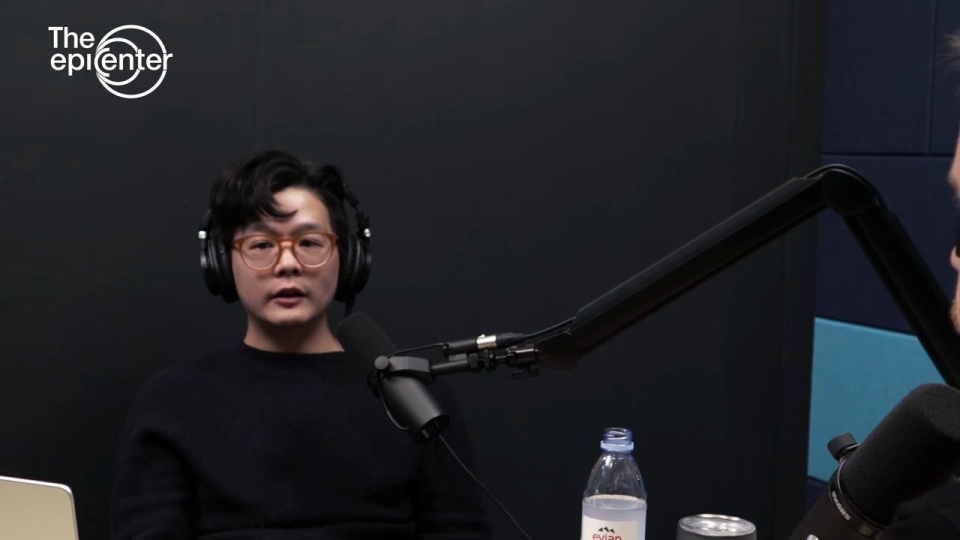
Delbert Ty
0:00
0:00
Featuring

Delbert Ty
Chief Marketing Officer, Coffee Meets Bagel

Episode summary
Delbert Ty has spent 16 years across three companies—Procter & Gamble, Circles.Life, and now Coffee Meets Bagel—and his career is essentially a case study in how to make deliberate bets when you have no obvious reason to. At CMB, he leads marketing for a dating app with a counterintuitive North Star: get users to find someone, then leave. Instead of maximizing sessions, CMB optimizes for dates. Instead of chasing retention, it chases referrals. That flywheel—where happy couples evangelize the app to their single friends—is growing CMB in cities where the company spends nothing on paid acquisition.
On the marketing side, Delbert applies a first-principles framework he brought from P&G: start from how users actually think, not from what your dashboard can measure. At Circles.Life, this meant bidding on search terms like “is telco X down?” rather than just brand keywords—capturing intent at the moment of frustration rather than competing for attention after someone had already decided. He applies the same logic at CMB, where consumer research drives product decisions and the insight that “irrational” consumer behavior is just unarticulated insight shapes how the team approaches growth.
Delbert also runs the CMB marketing team like an engineering squad—everything is ticketed, every task has a due date, and nobody follows up. The company operates on a four-day work week with under 60 people globally, and it stays functional because of what Delbert calls “critical engagement”: a culture where async-first communication forces people to think before responding, and where honest critique across departments is the norm rather than the exception.
Key highlights
On building a growth model around churn:
“In an interesting way, it’s kind of counterintuitive with a typical mobile app logic wherein you want people to keep coming back. But in CMB’s case, we actually do not want them to come back. We want them to find someone and then just go.”
On what looks like irrationality in consumers:
“What might seem as an irrational choice for a consumer is just insight unarticulated. They’ve just not been able to articulate it because it’s intuitive for them. As a business person, you just have to have that humility that you just don’t get it yet.”
Episode Timestamps:
*(00:42): Delbert’s intro and CMB’s positioning as a serious relationship app
*(02:15): The flywheel: why CMB wants users to churn and how that drives organic growth
*(07:00): Indonesian micro-influencer case study — one post, one spike
*(10:45): Delbert’s career path: P&G, six months unemployed, choosing Circles.Life over a ‘safer’ bet
*(17:30): What being laid off from Duracell actually made possible
*(25:15): Advice for anyone recently laid off: do the thing that gives you energy
*(31:00): The “consumer is boss” philosophy and why ‘irrational’ choices are just unarticulated insight
*(34:00): First-principles marketing: from SEM strategy to capturing latent intent
*(39:00): CMB’s culture of critical engagement — what it means and why it works
*(43:00): Four-day work week: how a team of under 60 makes it possible
*(46:00): Running marketing like an engineering team — ticketing, async, no follow-ups
*(54:42): Delbert’s career end game: solo founder, AI leverage, and learning to code
*(59:00): Rapid fire: coffee or bagel, favorite food, and a table for four
Transcript
[00:00:00] Ronen Mense: Hey, we’re back here at the Epicenter once again, a series of in-depth interviews [00:00:15] with renowned business leaders and industry influencers that are shaping today’s digital economy. Um, the show is now available on Apple Podcast, Spotify, YouTube, as well [00:00:30] as, uh, our site, www one epicenter.co. So without further ado, I’m very excited to welcome to today’s episode.
[00:00:42] Dilbert, Ty. Hey Dilbert. Hey. [00:00:45] Hey. Wonder. Happy to, he, happy to be here. Yeah. Yeah. Welcome, welcome to the Epicenter. Um, look, you, you, you, you come, you’re the CMO at, uh, coffee Meats Bagel. And, and I’m sure some people have never experienced Coffee Meats [00:01:00] Bagel. I’m sure people have had coffee and bagel, but they just don’t know what it is.
[00:01:04] One of the things, and, and we’ll refer to it as, uh, CMB during, uh, this podcast, but it seems that CMB has a pretty wonderful reputation, um, [00:01:15] of facilitating what we call long-term relationships or LTVs, right? Yeah. And, uh, the thing that kind of struck me a little bit when I was telling people that we were planning to do this, uh, epicenter together, [00:01:30] and I said, yeah, I’m gonna have the CMO of, uh, CMB on, on the epicenter, and they’re like, oh, my brother met his wife on CM.
[00:01:39] And then I was like, oh, that’s cool. And then. Oh, my sister just got engaged to someone [00:01:45] that she met on CMB. So what, what is the special sauce that, uh, CMB is creating?
[00:01:52] Delbert Ty: Uh, well that, first of all, that’s one of the perks of this job. Like, uh, um, uh, I get people thanking me [00:02:00] for, um, helping them meet their partners.
[00:02:04] And, uh, in most cases, since I’ve only been here, uh, for a year, I had nothing to do with it. But happy to take the credit. But, um, to your question, what [00:02:15] is a special sauce? I think it’s a couple of things. The first thing is CMB, since its very inception, has always been about. Helping people find serious relationships or long-term relationships.
[00:02:29] [00:02:30] And that’s really set it apart from a lot of the other apps out there. So if you think about most apps out there, there are a lot more casual. Mm-hmm. Um, now doesn’t mean that you can’t find [00:02:45] someone you wanna marry on those apps, but given that CMB is specifically positioned for that, it kind of creates this, um, almost like a flywheel effect.
[00:02:57] Mm-hmm. Where people think of it as a serious [00:03:00] relationship. Therefore, the people you meet there are more likely. To want a serious relationship as well. Like they’re not necessarily looking for a casual thing. They wanna find someone, you know, for the long haul. And that’s one of the things that’s really set [00:03:15] us apart and really drives this thing.
[00:03:17] The other thing that we do very specifically is just from how we design the app. Like if you, um, if you use like other apps, there’s a larger emphasis [00:03:30] on the picture, how you look.
[00:03:32] Ronen Mense: Mm-hmm.
[00:03:33] Delbert Ty: Um, in some cases, like that’s the entire app, like that’s the entire screen, right. For CMB, we, it’s kind of like 50% that, but you see other stuff like, you know how [00:03:45] old they are, like where they went to school, what kind of job they do, um, and.
[00:03:50] Um, we see that that’s actually a critical thing mm-hmm. For people to make a decision. Is this someone I wanna potentially meet? Someone I [00:04:00] potentially wanna, you know, spend the rest of my life with. And that’s something that we hear a lot. Mm-hmm. When we talk to people who found someone and how CMB is different from the other apps.
[00:04:13] In an interesting way, [00:04:15] it’s kind of counterintuitive with a typical, um, mobile app logic wherein you want people to keep coming back. Right. Right. But in Cmbs case, we actually do not want them to come back. We want them to find someone and then just go.
[00:04:29] Ronen Mense: Mm-hmm.
[00:04:29] Delbert Ty: [00:04:30] Because whether it’s like you match with someone and you’re chatting for a bit, for us, our North Star is actually dates.
[00:04:38] Mm-hmm. Because we think with, if you meet someone for a date, that maximizes the odds [00:04:45] that you will really get to know this person and figure out if you guys, you know, work together. So that’s one of the things that set us apart. Now how we reconcile that with, you know, your business logic, like why would [00:05:00] you want people to go out and then not pay anymore, right?
[00:05:03] Mm-hmm. What we see is like what you’ve just shared wherein people who find someone on CMB mm-hmm. They are extremely vocal about. Sharing that. [00:05:15] Mm-hmm. Like, Hey, I found, you know, my person on CMB, I’m super happy. We actually get a lot of inbounds, um, every month where people are just sharing their happiness, sharing that they’re gonna [00:05:30] get married, sharing that they had a kid.
[00:05:32] And it’s, it’s, it’s a wonderful, wonderful thing. Um, and that actually drives this additional growth loop where, because people hear about it, then [00:05:45] other people sign up because they have the success case from their friend, from their network. And we see that in a lot of, uh, cities around the world. Mm-hmm.
[00:05:54] We’re in, we’re not necessarily focusing on it or spending money on it to drive growth. [00:06:00] It’s just growing organically, which is a wonderful kind of thing for us, because then your unit economics is great because you’re right, mostly organically driven. Um, the other thing that’s really good about it is it [00:06:15] is a credibility thing normally as a brand to create this sense of credibility, to create this sense of safety, which is super important for dating, right?
[00:06:24] Because if you’re dating, you’re technically meeting a stranger, you don’t know what’s up. And in this case, like the [00:06:30] more people share, like, Hey, I met someone. And the more it kind of validates the experience, like, hey, this is like a safe platform. This where I can meet someone who I’ll match with, I’ll, you know, things will work out.
[00:06:43] In fact, like, uh, I’ll give [00:06:45] you like a recent, um, anecdote. Like we, there is like this, uh, Indonesian, I would say micro influencer. Mm-hmm. Like she has maybe like a hundred thousand followers. She signed up for [00:07:00] CMB and within a span of two weeks and she paid, she paid for the subscription.
[00:07:07] Ronen Mense: Mm-hmm.
[00:07:08] Delbert Ty: Within a span of.
[00:07:09] Two weeks she found someone and then she put her account on pause, and [00:07:15] then she posted about it. She made, you know, a couple of it stories about it. Mm-hmm. Suddenly we see this gigantic spike like, and we’re like scratching our heads, like, what’s going on? And then so we see like our, um, social media monitoring tools, and then we find that we [00:07:30] got tagged in this thing and then, oh, this is it.
[00:07:32] And then that’s actually a pretty common thing wherein literally every week we have someone in the team investigating some kind of spike. Mm-hmm. Because there’s some kind of [00:07:45] mention or some kind of interesting anecdote that someone is sharing on social media and that directly drives growth. So for us, this.
[00:07:54] Uh, gross flywheel really works and that gives us a lot more [00:08:00] conviction to continue on this path. Like, hey, we’re all about serious relationships. If you wanna find a serious relationship, CM v’s. The best place.
[00:08:07] Ronen Mense: So, so is it fair to say that the, uh, the, the goal is to, uh, get people to stop using c. Yeah,
[00:08:14] Delbert Ty: [00:08:15] absolutely.
[00:08:15] Absolutely. Churn, churn, churn your customer. Churn. Churn. Yeah, exactly. Exactly. That’s in, in fact, like, uh, one of the, we have, uh, we, we have like, um, hackathons mm-hmm. Internally. And then, um, one of the, [00:08:30] uh, cool ideas, uh, that an engineer, uh, suggested and he’s pretty passionate about it, is, Hey, is there a way that we can monetize that happiness?
[00:08:40] Orin, if you found someone, um, maybe there’s a way [00:08:45] for, for them to give, uh, c, BA tip. Mm-hmm. Or, you know, um, give back their being or give back back their, give back a lye a something. Something like that. Exactly. Just like what you mentioned. Yeah. Yeah. Exactly. Exactly. Gimme dowry. [00:09:00] Yeah. You put a dowry
[00:09:01] Ronen Mense: button
[00:09:01] Delbert Ty: there.
[00:09:01] It’s a monetization idea. Yeah,
[00:09:03] Ronen Mense: yeah, yeah. Exactly. Exactly. Yeah. Thank you CMB for helping me find the love of my life. And, uh, dowry like, uh, you know. That,
[00:09:12] Delbert Ty: that’s
[00:09:12] Ronen Mense: quite normal.
[00:09:13] Delbert Ty: But it’s actually an interesting [00:09:15] question, like if you, like, imagine if you, you know, um, you met your partner because a friend introduced you, right?
[00:09:26] Well, what, what if
[00:09:28] Ronen Mense: we’re way off [00:09:30] topic, but what if there was a way that a, an independent third party could actually put people together on CMB as like a kind of a matchmaker or something? Well, um,
[00:09:44] Delbert Ty: that’d be [00:09:45] kind of cool. That’s, that is interesting. So, I mean, we are kind of exploring something like that, like coming from this, uh, Hong Pao idea, um, how you kind of give some sort of gratitude.
[00:09:58] We’re in. Because like what [00:10:00] we know, you know, we, we ask our, we talk to our, uh, consumers a lot mm-hmm. And we ask them, you know, how many single friends do you have? Mm-hmm. How many of them are on CMB? And we do find that there are a lot of them who have found someone on [00:10:15] CMB, they have friends who are single, and it’s such an organic kind of thing where people will just ask their friends like, Hey, maybe you should try this thing.
[00:10:26] Mm-hmm. So, yeah, there is definitely an idea there, how [00:10:30] you can productize that. Like, that’s, that’s something that, uh, you know, you guys should, we’re thinking up
[00:10:34] Ronen Mense: here, let
[00:10:34] Delbert Ty: me connect you and here’s some extra beans.
[00:10:37] Ronen Mense: Yeah. So Bert, you’re, you’re like, you’re a pretty young guy, right? And, and you’re a young [00:10:45] guy at the helm of, uh, you know, marketing for a global app.
[00:10:50] It’s not normal,
[00:10:52] Delbert Ty: eh? I would say, first of all. I probably look a lot younger than most people think. I’m, I’m close [00:11:00] to 40. Um, you, you don’t look a day over 30. Um, well, I, I think about my career as mostly just a series of lucky events. Mm-hmm. [00:11:15] Um, talk to me about those lucky events. Chart that, chart that course.
[00:11:20] Like if you think about like, my career, so I’ve been working for more than 16 years. Mm-hmm. And I’ve actually just worked for three companies. [00:11:30] Okay. Proctor and Gamble, circle Life and now CMB and all of those things, I would say was just a, in a way, a [00:11:45] function of me being lucky. Probably the least lucky thing, the most engineered thing probably would’ve been p and g.
[00:11:51] Ronen Mense: Mm-hmm.
[00:11:51] Delbert Ty: So. I’m originally from the Philippines. Mm-hmm. One of the things that I aspired for as a student back [00:12:00] then was I wanted to, uh, work outside of the Philippines. So I thought about like, Hey, you know, which companies like, you know, facilitate these kind of expat assignments. Mm-hmm. And looking at my [00:12:15] peers, my seniors, PNG was like a common denominator.
[00:12:21] So the way I thought about it, okay, how can I engineer my experience in [00:12:30] school to mirror that such that it would increase the likelihood that PNG would hire me. So, you know, go to the, you know, join the right clubs. Mm-hmm. Have a certain GPA, things like that. Um, and obviously [00:12:45] things within my control, I’m not, I, I’m far from the top.
[00:12:47] Kind of student, like I was like, maybe, you know, top 30%. Mm-hmm. Like that, that, that level. So I did my best to engineer, like the kind of things that I had control over. And, you [00:13:00] know, thankfully I I, I got in, um, and I was, I would say like, this is the first lucky thing. I was assigned on one of the biggest brands that p and g had in the Philippines, which is a Tide Laundry [00:13:15] detergent.
[00:13:16] And this is for those of you that don’t wash your own clothes. So that’s the funny thing, right? Like I never, I never watch, I never washed like, uh, um, my loads, uh, before that. And here you [00:13:30] are managing a, like a big detergent brand. Big detergent brand, right? Wow. And, and that’s super lucky because that’s something that’s outside of your control.
[00:13:39] It really is just a function of like, what is the need of the business, and then, you know, who’s available, [00:13:45] yada, yada. And then I, I, I was. You know, in that spot. And from there I was able to work on a variety of brands within p and g, which is again, another lucky thing because most of my peers, at least [00:14:00] when you join p and g, you kind of in a way specialize in a particular category.
[00:14:05] So, okay, you’re, you’re in laundry, or you’re in hair care, or you’re in shave care, or you’re in a thing and you kind of stay there and [00:14:15] achieve some level of specialization. In my case, I jumped around, I was in laundry, I was on hair care.
[00:14:22] Ronen Mense: Mm-hmm.
[00:14:23] Delbert Ty: I was on batteries, so I was working on Duracell, which actually most people.[00:14:30]
[00:14:30] Did not know as part of the PG portfolio. Yeah, I did it. I, so it was just super duper lucky. And the thing that happened that I think, I actually think is one of the luckiest things that [00:14:45] could have happened to me, and like this for me is super pivotal in my life. So I was working in Duracell, and this was a time when p and g had a lot of pressure from Wall Street, from [00:15:00] activist investors.
[00:15:00] Basically they were pushing for p and g to become a lot leaner. Um, and that really triggered p and g to think about its portfolio and what to keep, what to [00:15:15] divest. Mm-hmm. Now, at that point in time, the decision was made like, Hey, let’s divest Duracell. So I was in that spot, and after that the Vestiture was done.
[00:15:26] I was officially out p and g. Mm-hmm. And [00:15:30] then now in Duracell, which became like a standalone company. And that was, at that point in time, like I was kind of feeling bad because like, hey, I was kind of thinking I’d [00:15:45] stay longer in p and g. I’d try other, you know, brands, categories and all of those things.
[00:15:50] But then being in that spot really forced me to do what I wanted to do, which was [00:16:00] get into tech. Mm-hmm. And the thing that I, you know, I, I haven’t, I, I haven’t shared this with like lots of people, but what happened there almost immediately after the divestiture.
[00:16:12] Ronen Mense: Mm-hmm.
[00:16:13] Delbert Ty: I was asked to [00:16:15] leave. I was given my papers.
[00:16:17] Mm-hmm. Um, now because PG is from Duracell, yes. But because PG is a really, really good at. Uh, deal making. There is a clause wherein if you let go of people [00:16:30] that you’ve just acquired, you have to give a really, really solid package.
[00:16:35] Ronen Mense: Mm-hmm.
[00:16:36] Delbert Ty: So that actually gave me runway to explore this new kind of industry that I have [00:16:45] zero experience in.
[00:16:46] So imagine me, I was in Singapore. Yeah. I was given my walk-in papers. I was in a long-term relationship [00:17:00] with someone who is now my wife. So I obviously wanted to stay in Singapore and I also had like, you know, rent to pay and all that stuff. Right. And because of this, I had the runway to [00:17:15] really explore, Hey, what does my career look like if I.
[00:17:21] Shift from FMCG to tech.
[00:17:24] Ronen Mense: Mm-hmm.
[00:17:25] Delbert Ty: And that was like a really, at that point in time, I was feeling quite [00:17:30] shitty. Despite the generous package, I was feeling quite shitty, um, because it’s kind of like, you know, being the one being broken up with Right, right. It’s not you. Yeah. Who broke up with them? It’s, they broke up with you.
[00:17:41] Right. But in this case, um, I spent [00:17:45] like six months, uh, unemployed looking and thinking and really, really, really deeply reflecting on what I wanted to do. And in that span [00:18:00] of time, I’m assuming that I could have just picked up the phone and, you know, asked for any roles in similar FMCG roles. And I’m, I think, I’m assuming, obviously I’m assuming that, [00:18:15] you know, I, I’d find the role like, uh, uh, a lot faster.
[00:18:18] Right. But no, I, I really, uh, powered through mm-hmm. And, uh, powered through lots of rejections actually. Um, and that’s the thing, when you’re from p and g, you think like, oh, you’re a [00:18:30] rockstar. You are the best kind of marketer out there. You’re the shit. Yeah, you’re the shit. Exactly. Exactly. And yeah, I just got like a series of nos, um, from lots of really, really, you know, from big companies, prominent [00:18:45] companies to, um, startups.
[00:18:47] Um, and uh, yeah, like, so I really leveraged a lot of my connections to understand like, Hey, what should I be doing? Mm-hmm. Talk to my mentors, um, ask for connections. Like, Hey, [00:19:00] you know, who’s hiring? And I remember one specific conversation I was having with a friend, uh, at that point in time, she was working in tech.
[00:19:09] She is starting a company. So, but she was, you know, in in tech for a while. So I asked her like, Hey, [00:19:15] how do I break? And her first question back was, what kind of tech did you wanna do? And I was like, I had no idea. I mean, I came from selling soap, so I don’t, I didn’t know that there are all these like different, you know, tech verticals, right?[00:19:30]
[00:19:30] So that got me thinking like, what did I want to do? And it forced me to really narrow down, uh, how I wanted to make sure that the company I joined. Leveraged the things that [00:19:45] I knew and had experience on with PNG, but at the same time presented some kind of challenge. Mm-hmm. And one of the things that really made that clear was I had lots of peers, I would say, who left PNG [00:20:00] and joined like big tech companies.
[00:20:02] And they were from marketing and p and g, but then when they joined these big tech companies, they weren’t doing marketing. They were doing something else.
[00:20:09] Ronen Mense: Mm-hmm.
[00:20:10] Delbert Ty: And I didn’t wanna do that. I wanna make sure, like I was still doing brand, I was still [00:20:15] handling, you know, the business responsibility. Your core, uh, exactly.
[00:20:18] Your core competence. Exactly. Exactly. And through like. Towards the end of that six months mm-hmm. Of like, that’s, that’s the equivalent of me, like wandering the desert. Mm-hmm. [00:20:30] And, you know, figuring shit out. And th towards the end, I, I was lucky enough that I had like, uh, two options on the table. One option was, uh, with Circles life.
[00:20:41] Mm-hmm. And I got this opportunity [00:20:45] because one of my ex managers in p and g, she was friends with one of the founders. And the funny thing is she was saying, oh, I have a, you know, I have a friend and he starting this texting. [00:21:00] I don’t really know about it, but you know, you guys should talk.
[00:21:02] Ronen Mense: Mm-hmm.
[00:21:03] Delbert Ty: So I, I engaged that conversation and then, um, and, you know, learned more about it.
[00:21:11] And then the other thing was, uh, an opportunity to join, honest, [00:21:15] be. So honest v is is now defunct. Yeah. But, uh, at that point in time, it was, uh, it was way bigger than Circle’s life. Way bigger. In fact, like, uh, uh, uh, something I teased my wife, uh, [00:21:30] about is she was saying, oh, you should just join Honest V because at that point in time, they had expanded regionally.
[00:21:37] Um, and I eventually chose Circles Life, and I credit this [00:21:45] decision because I had so much time to really think deeply mm-hmm. About what I wanted to do. And for me, what sold the decision was when I think about Circle Life and [00:22:00] the idea behind it, however nascent mm-hmm. At that point was really na like, no one has heard of Circle Life.
[00:22:05] Like, people were like, what? Like, are you joining an insurance company? Mm-hmm. Um, it was so nascent, but the idea was about. [00:22:15] Disrupting this industry, which is basically a monopoly or an oligopoly in every single country. And as a result of that, there is zero incentive for this industry to do better.
[00:22:29] Ronen Mense: Mm-hmm. [00:22:30]
[00:22:30] Delbert Ty: And therefore, it’s a common refrain wherein wherever you go, whichever country, oh, there’s like three or four choices. And I don’t like all of them, but I have to choose. So for me, there was no global [00:22:45] defacto leader trying to disrupt the space, and therefore it was a, in a way, still a white space is something that I could contribute to.
[00:22:55] Mm-hmm. In making that mark and I, one thing I always [00:23:00] kind of shared with the founder of Circle Staff is I wanted to be part of something that people would say. There was a before and after. Mm-hmm. You know, if you think about like, major companies, that’s changed the way we live. [00:23:15] Like, there was a time before Google, right?
[00:23:17] There was a time after Google, there was a time before Facebook. There was a time after Facebook, right? So I wanted to be part of something like that, however unlikely that would happen. Again, it’s not like I was joining it like, [00:23:30] yeah, I’m gonna change the world. And, and it’s, it’s, it’s definitely gonna happen.
[00:23:33] So the way I, I, I just thought about it is there was a non-zero chance that I would be part of this thing as opposed to a zero chance, which I felt like, like in honest [00:23:45] case, I felt like, hey, um, if you think globally. Who are the leaders in on demand service fulfillment, right? Whether it’s delivery, ride hailing, whatever have you, there are a lot of these other [00:24:00] players that has like a huge head start, uh, millions and millions of, you know, venture backed funding.
[00:24:07] So the likelihood is closer to zero that I would, you know, change something there [00:24:15] as opposed to circles life. And therefore that made it super clear that, hey, I think this is the right thing for me. And that kind of paid off.
[00:24:25] Ronen Mense: I think that’s super interesting because what you’re talking about [00:24:30] is something that a lot of people are going through right now, you know, and, and it’s kind of like almost in the opposite direction possibly.
[00:24:38] Yeah. Because a lot of people from the tech industry have, have been laid off recently. Yeah.
[00:24:42] We,
[00:24:43] we know that. [00:24:45] And, you know, using your experience, I mean. Yeah. And you’ve gone through this. I think many of us have, have been through it before. Maybe we’re not as vocal about that. Yeah. What would you say to someone, you know, who, who, who’s just been laid off and, and [00:25:00] you know, does have that parachute Yeah.
[00:25:03] You know, of time. What would, what would you tell them
[00:25:10] Delbert Ty: at the risk of sounding really corny?
[00:25:12] Ronen Mense: Mm-hmm.
[00:25:14] Delbert Ty: Um, [00:25:15] corny is okay, do the thing that gives you energy and I I’m saying specifically gives you energy, not necessarily the thing that you like to do.
[00:25:28] Ronen Mense: Mm-hmm.
[00:25:29] Delbert Ty: Because there are [00:25:30] many things that you like, uh, maybe you like to play basketball, but you know, you’re too short.
[00:25:34] You’re never gonna be an NBA. Mm-hmm. Right. But do the thing that gives you energy and solves something. So for [00:25:45] me, I kind of, uh, uh. I abstracted that, like the energy, the thing that gave me energy was mattering. How do I matter?
[00:25:58] Ronen Mense: Mm-hmm.
[00:25:59] Delbert Ty: How do [00:26:00] I do a thing that matters? Mm-hmm. How do I do a thing that I can at the end of the day say is attributable to me?
[00:26:14] How can I [00:26:15] do the thing, which I can say there was incrementality because of me and you know, like, uh, and this is like really coming from my own experience. Like [00:26:30] I love p and g, I learned so many things in P$G but sometimes at the back of my head, like regardless of how highly I thought of myself, and I do think highly of myself sometimes I think like, [00:26:45] would we have achieved the same result if it was someone else?
[00:26:48] Like at the helm, and I couldn’t, you know, I couldn’t say that without a shadow of a doubt.
[00:26:55] Ronen Mense: Mm-hmm.
[00:26:56] Delbert Ty: So for me, I wanted to do the thing wherein [00:27:00] there was zero doubt. It was because of you. And I was really fortunate enough to find that kind of role in circles life, to find the kind of partners with the founders who believed in what I could [00:27:15] do, uh, the ideas, the grit, the, the, the things that I could mm-hmm.
[00:27:21] Really push the business towards. And yeah. Like that, that sounds very abstract and I hope [00:27:30] it’s helpful, but to just make it tangible. Yep. The thing I, I, you know, share with, uh, people in general is take the time off. Mm-hmm. And, uh, and really. Mm. [00:27:45] Like wander that desert. Wander that desert. Yeah. That’s, that’s, that’s, that’s, that’s a good callback.
[00:27:49] Yes. That’s a good callback. Yeah. Just wander that, that it’s so uncomfortable. It’s really, really uncomfortable. Mm-hmm. I wasn’t enjoying the time of my life that [00:28:00] six months I was not, it sounds like a vacation. It’s not. I was, uh, I mean, think about it, like I’ve literally spent almost a decade working every single day and then now I’m not working and I have to figure out [00:28:15] stuff to do.
[00:28:16] And yes, some part of it you can do like things that you would normally enjoy, I don’t know, like play video games, go to the gym, but that’s not going to eat up the whole day. So you have to, [00:28:30] you know, have the conviction to continue wandering that desert because you can always take the out. Like, I could have taken that out, like, uh, you know, call FMCG companies.
[00:28:41] Yeah. And then apply. And in fact, like the way I thought about it so that there [00:28:45] was some kind of discipline in my thought process was this is also my commitment to my wife. Right. I’m sure my wife would not want to support the deadbeat for too long, right? So I told her basically, Hey, I’m gonna do this, and this is my deadline.
[00:28:59] [00:29:00] If at this point I haven’t found something in the thing that I wanted to do, I’m gonna be a big boy and then just do this other thing. Mm-hmm. And then move on. So that’s how I kind of created some kind of guardrail in my [00:29:15] decision making.
[00:29:15] Ronen Mense: So basically go walk the desert, right? Take enough water, but know when it’s time to, uh, to get out of the desert.
[00:29:27] Yeah. And, uh, and, and go find something. But don’t, [00:29:30] don’t settle for just the job, right? Yeah. Yeah. Because jobs, I mean, we, we can. We can all work. Yeah, exactly. Find something that you are passionate about and of course that you’re going to deliver impact. Yeah. And um, again, just going back to, to, [00:29:45] you know, being let go from companies again.
[00:29:47] I, I know that a lot of people are going through a hard time and probably this brings me back, uh, wow. Even I was working together with my brother once and our shareholders asked my brother to fire [00:30:00] me. Wow. Yeah. Wow. That’s intense. That’s that’s pretty intense. And uh, yeah, it took a lot of guts from my brother and I just made it super easy for him to say, okay, yeah, no problem.
[00:30:10] Don’t worry about it.
[00:30:11] Delbert Ty: That, that is intense. That is intense. It’s not [00:30:15] some, it’s not some faceless person giving you your walking papers.
[00:30:19] Ronen Mense: No, I mean, we were living together too.
[00:30:21] Delbert Ty: Must have been an awkward couple of
[00:30:22] Ronen Mense: weeks. Ah, no, I was totally okay with it. I, I kind of saw it coming, but, um, yeah. So [00:30:30] I wanna go, you, you touched on something that was, was.
[00:30:33] Pretty, I important. You talked about like making an impact and, and knowing that what you do can create incrementality. Right? Let’s take this into what you’re doing [00:30:45] today, right? Yeah. You’re, you’re marketing a dating app. How, how do you, like, what is the framework that you, as a marketer and, and using, you know, the tools that you’ve acquired over these years of working, like [00:31:00] how do you put this to work in, in the company that you’re in now?
[00:31:04] Delbert Ty: So, I, I’m so thankful for my experience because like whether it’s p and g or circles, I’ve taken something [00:31:15] extremely tangible and extremely applicable that I can, like, I literally like. Even day minus one.
[00:31:22] Ronen Mense: Mm-hmm.
[00:31:23] Delbert Ty: I was already, you know, like applying those things. Like, uh, like for instance in p and g, one of the [00:31:30] things that I took away from that is this whole philosophy of the consumer’s boss.
[00:31:38] They know what they’re doing, they’re making the choices. There’s a reason for their choices. In fact, like [00:31:45] one of my pet peeves is when I hear people say like, oh, um, the consumer’s making an irrational choice. Mm-hmm. You know, we can’t, we can’t understand it’s unknowable. Mm-hmm. And I think what might seem as an irrational [00:32:00] choice mm-hmm.
[00:32:00] For consumer is just insight unarticulated. Mm-hmm. They’ve just not been able to articulate because it’s, it’s, it’s intuitive for them and. As a business person, you just have to [00:32:15] have that humility that you just don’t get it yet. Mm-hmm. And if you talk to enough people, there is a chance that you will, but it starts with that humility that you just don’t get it yet.[00:32:30]
[00:32:30] So that’s something that’s super important to me. Like I took it with me in circles. I took it with me in CMB. The other thing, like I found to be really, really, uh, an excellent way of, [00:32:45] of thinking that I took from p and g is, is being principle based.
[00:32:49] Ronen Mense: Mm-hmm.
[00:32:50] Delbert Ty: Like, I think very fondly about debates, discussions in p and g we’re in, at the point of [00:33:00] disagreement, you abstract the discussion to the higher level.
[00:33:04] Ronen Mense: Mm-hmm.
[00:33:05] Delbert Ty: To a higher principle. And if you don’t agree there, you abstract to an even higher level at the point in which you agree. And then from there, the discussion can [00:33:15] flow again. And to me, like this is so critical in how I think about things. I try to abstract things to the first principle as much as possible.
[00:33:26] Mm-hmm. Because that just helps me understand things [00:33:30] in a way that I don’t miss out, that it, it’s a lot more exhaustive. Mm-hmm. So that’s another thing I took away. Do you have an example that maybe you can share? So, uh, for example, let’s say with, um, [00:33:45] um, with Circles Life, when I joined Circles Life, I was thinking about, uh, you know what it is that.
[00:33:54] Will drive growth.
[00:33:56] Ronen Mense: Mm-hmm.
[00:33:56] Delbert Ty: Okay. So normally, you know, like what [00:34:00] is like a gut immediate action reaction you would do? Oh, okay. Like, let’s spend money in marketing. Let’s spend money in performance marketing. That choice in itself can be abstracted. Why are you spending there? What happens when you spend there is [00:34:15] this, is this, are you spending in the place where people will look?
[00:34:18] Ronen Mense: Mm-hmm.
[00:34:18] Delbert Ty: Are you spending in the place where people are, are, um, in the mind space to engage, for example? Then you abstract it further from that. Like, do you even [00:34:30] need to spend? Mm-hmm. Like maybe they’re naturally just looking. Maybe there’s init, they there’s latent intent mm-hmm. That you just need to capture and then you abstract, abstract, abstract.
[00:34:40] So one tangible way is really just thinking about user journey. [00:34:45] User journey is a very tangible way of thinking about. Growth from a first principles perspective because you’re thinking about like, hey, you know, how are they thinking about this? Like, uh, one thing that we would do in, in circles is, [00:35:00] uh, like, let’s say, let’s think about SEM strategy, right?
[00:35:03] Mm-hmm. So typical SEM strategy. Okay. Like, let’s do brand terms. Okay, let’s buy SEM for circles life, let’s do competitor. SEM. Mm-hmm. Right? Okay. That’s basic [00:35:15] stuff. Yeah. To some degree that’s useful. Maybe not incremental as much, whatever. Right. But then if you think about first principles, it actually unlocks other things because it begs the question, at which point does a person [00:35:30] think about switching, for example?
[00:35:31] Mm-hmm. When there is an outage, people are probably searching, is telco X down? Mm-hmm.
[00:35:40] Ronen Mense: Is
[00:35:40] Delbert Ty: whatever why those keywords? [00:35:45] That’s an example that you’re applying this. Principle based thinking. Mm-hmm. Because hey, that’s how they think about it in the first place. They’re not thinking about directly going to a brand because at that point, maybe it’s too late.
[00:35:58] Maybe you’re gonna, you know, you’re gonna [00:36:00] have an uphill battle there. You’re you’re already trying to divert their intent. Exactly. Exactly. You want to capture that at the, you know, inception of the intent. Yes. Like another example. Um, um, that’s good. Another example [00:36:15] is not my example, I just, that’s okay.
[00:36:16] Having a, a chat with, uh, someone who was working in a startup that basically provided on demand nannies for, uh, people with, uh, young kids. So [00:36:30] they were thinking about their SEO strategy, like what’s the content strategy? So they would think about at which point in the life cycle of a parent that they [00:36:45] would.
[00:36:45] Think about having a nanny. Now, I’ve recently, you know, fairly recently had a child, so my, my kid is now like, uh, 18 months old. And during the pregnancy phase or even before [00:37:00] that, like there are a lot of things that you are thinking about that you are searching, that you’re looking for content that you can create content for.
[00:37:09] Mm-hmm. Right? You can write some stuff about it. And I thought that was like a really interesting application of, of, of [00:37:15] principle based thinking, because then. Okay. Like their strategy for growth would be, okay, let’s, let’s hire some SEO writers or, I mean, now you can use chat GPT, but that’s true. But yeah, like, uh, then, then you can get that, [00:37:30] uh, organic growth like way ahead of the, of, of the life cycle, because by the time, you know, the kid is there, like, there’s like a million things.
[00:37:41] You wanna, you wanna have that impression at the beginning and, you [00:37:45] know, so you’re, you’re, you’re not, you know, just there at the point of action because by then, like you said, like, uh, they’ve already had some level of intent for something else. Yeah.
[00:37:57] Ronen Mense: Yeah. That’s, uh, that’s pretty interesting. Thank you for, uh, [00:38:00] breaking that down.
[00:38:00] I think that’s very helpful. And, and I think people can learn from first principles, right? It’s, it’s, it’s always what you can back it up to. Yeah. Right? And, and that’s where you, when you don’t know or you disagree, [00:38:15] and you go to the principal and you say, okay, well. That’s, that’s our principle, and therefore that helps us to guide the decision that we make.
[00:38:23] And yes, you disagree, but because we as an organization, we have to move forward. Yeah. [00:38:30] There’s the commit. Right? Um, I like that a lot. I,
[00:38:38] there’s something that, um, and, and, and, you know, let’s shift back to, uh, a little bit more about CMB because I, I hear [00:38:45] that there’s a pretty cool culture there. Yeah. And, um, you know, you guys seem to be pretty proud of this culture. What is this culture?
[00:38:54] Delbert Ty: Um, I would say, if I would, if I were to [00:39:00] articulate it, is, is it’s critical engagement.
[00:39:10] So one of the things that I, [00:39:15] I talk a lot about. Amongst the team, in particular, the leadership team. I love how we engage each other, we critique each other and, and really understand [00:39:30] each other. Mm-hmm. It is like a, um, think of me sharing like, hey, like this is a, you know, this is a marketing plan. Right.
[00:39:40] Obviously, as a, as the, [00:39:45] you know, like the expert there, whatever I say must be true. Mm-hmm. Right? But then the way that I engage with the team is they’re able to ask like, thoughtful questions and then they’re really thinking through [00:40:00] from their own perspective. And that creates so much value. That creates so much value because like as much as I know things, I can’t know all the things.
[00:40:08] Mm-hmm. Right. I have my own blind spots, and I see this as a. [00:40:15] Really in integral part of just how we make better stuff. Because then it doesn’t matter if you’re in finance, if you’re in, um, cx, if you are in engineering, like, hey, [00:40:30] everyone has a voice. Everyone has a perspective you can engage. And I think one of the things that really helped with that is, uh, there’s another part of our, uh, the way we work is we’re an async first remote, [00:40:45] first async, first kind of company.
[00:40:47] And by doing that, you are forcing people to be a lot more thoughtful.
[00:40:53] Ronen Mense: Mm-hmm.
[00:40:54] Delbert Ty: And I absolutely love that. I really, really love that. Because like, I’ll give you an [00:41:00] example for myself, right? Like, let’s say, um, someone shares something on uh, uh, a Slack channel. We’re in like, this is. This is a new product design for a [00:41:15] particular thing.
[00:41:16] Now what I would do is I actually don’t respond right away.
[00:41:24] Ronen Mense: Mm-hmm.
[00:41:24] Delbert Ty: I allocate time for me to think and respond in a thoughtful way. [00:41:30] And I think that is really value adding. So you’re not just getting, you know, off the cuff kind of, um, engagement. You’re getting critical engagement. You’re not just saying like, great
[00:41:43] Ronen Mense: idea.
[00:41:43] Delbert Ty: Yeah. Yeah. I [00:41:45] mean, like, you’re not just, it, it’s, it’s like a, um, there’s a, uh, a funny Filipino, uh, slang mm-hmm. That, uh, you would see in some companies, I’m sure like, uh, like [00:42:00] LA listeners could relate. The Filipino slang is mema, mema mema. So, and it’s short for. My, which if you translate in [00:42:15] English is, has something to say.
[00:42:18] So basically it’s a reference to people who just has something to say. Mm-hmm. For the sake of saying, as opposed to really wanting to say something and adding [00:42:30] value to mm-hmm. The conversation. And I think for us, given that we’re async first, mm-hmm. If you don’t respond, it’s okay. But if you respond, you can be a lot more thoughtful in that response.
[00:42:42] Mm-hmm. And I value that. [00:42:45] I think like that’s a great way of making sure people are engaged and that you’re getting the best from everyone and saving the last part, which I think is probably like the newest thing that we have in [00:43:00] CMB, is we’re also in a four day work week. Mm-hmm. And. For some reason this, this is actually a really contentious thing mm-hmm.
[00:43:08] When I share with friends, like, oh, we’re on a four day work week. The immediate thing is like, how is that possible? You [00:43:15] guys are slacking off. Like, uh, and it’s, uh, it’s quite funny, like how visceral the reaction is, and when I share more about it, how, hey, it’s, it’s possible because we have all [00:43:30] these other things, we are async.
[00:43:31] Ronen Mense: Mm-hmm.
[00:43:32] Delbert Ty: We can be a lot more efficient with, with time. We don’t have as many meetings and we’re super clear with our priorities. We make it the point that we do more with less. [00:43:45] Like, uh, I have a, you know, like a anecdotal example to just illustrate the opposite of this. I was sharing this with someone in, in, in some kind of networking thing, and then this person was saying like, oh yeah, like, uh, [00:44:00] um, my boss.
[00:44:02] Messaged me on a, you know, on a Friday night, Hey, do you have a minute?
[00:44:07] Ronen Mense: Mm-hmm.
[00:44:07] Delbert Ty: I need to talk to you about something. And then that minute turned into a two hour conversation. And in my [00:44:15] mind, like that’s precisely why some organizations find the four day work week impossible. Because if you cannot discern a conversation that should be a minute [00:44:30] and two hours.
[00:44:30] Mm-hmm. Think of the level of discernment. At the leadership level for someone to say, this is a strategy and not this.
[00:44:39] Ronen Mense: Mm-hmm.
[00:44:40] Delbert Ty: At the higher level of abstraction, that’s almost impossible. You can’t [00:44:45] discern between a two minute and a two hour conversation. How can you be expected to think of the difference between strategy A, B, C, or all of the above?
[00:44:55] Right. So for me, like that’s, that’s the thing. And, and for us, [00:45:00] we make it the point to make a choice, hard choices all around. Otherwise, like, you really can’t do much. And in a way, like it’s part of that culture is like, we work small. Like when I share with people like how big c and b [00:45:15] is mm-hmm. Like, they’re always surprised, like globally, they, there’s less than 60 people.
[00:45:19] Mm-hmm. And we’re able to do so much with so little and it’s because of how we work together, how we have, [00:45:30] uh. Documented ways of, of using tools. For example, like, you know, like with Slack, I hear you guys have Slack. No. With Slack, like I, I hear lots of people who say like, oh, I hate Slack. It’s the [00:45:45] being in my existence.
[00:45:46] Yes. Like, uh, it’s the worst. It’s the worst. And for me it’s, if you’re using it like WhatsApp and like, you know, instant messaging, yes, I can imagine it being super [00:46:00] overwhelming because there’s so many things that’s going on there. But if you’re approaching it through an async mindset, if you’re approaching it, we’re in, Hey, a message on Slack, even if you’re tagged, doesn’t mean [00:46:15] you need to reply right away.
[00:46:16] And we codify this, we share this amongst the employees so everyone knows. So the expectation is clear. That’s an example of a hard choice. Saying that explicitly, that, hey, if someone messages you in Slack. [00:46:30] On a particular channel. You don’t need to reply right away, reply on your own time. And then there’s a use case wherein maybe it’s an emergency and you have to reply right away.
[00:46:42] But there is this distinction [00:46:45] that discernment, how, how do you, how do you make that distinction in the communication? So you make that distinction by setting examples. Like what is an, like, let’s say there’s like a piece, like I need a minute. Like no, like let’s say there’s a P zero issue. Like, you know, okay, something is [00:47:00] down, or you know, there is some consumer impact.
[00:47:02] Something like, something like that, right? Yes. People have to scramble. Yes, it’s understood that this all hands in deck need to fix it. Right? And there’s a particular channel about that. There’s a [00:47:15] particular way we’ll talk about it so that it’s clear. This is a instant response kind of thing, but. There is a use case wherein it’s not, and it’s okay.
[00:47:25] And it’s defining what that is, making it clear to people so that you are [00:47:30] enabling an environment wherein people can work at their own time. Not that, not necessarily like, you know, like, uh, it doesn’t mean that working at their own time doesn’t mean that you, you work slowly. It’s, it just means you’re being intentional about [00:47:45] what you’re doing mm-hmm.
[00:47:46] When you get it done. In fact, like one of the things that I’ve done in CMB that’s new, I’ve not done this before, I’ve not done this in circles, I’ve not done this obviously in p and g, is I run the marketing team, [00:48:00] uh, like an engineering team where in everything is ticketed.
[00:48:03] Ronen Mense: Mm-hmm.
[00:48:04] Delbert Ty: Everything you do, please ticket it Mm-hmm. Please ticket it. Please set a time when it’s gonna be done. So there is no follow ups. Like, one of the things that I would remember [00:48:15] that I would do as a leader back then in circles is. I would constantly ask people, Hey, when is this thing gonna happen? Mm-hmm. When is this thing, when is this thing?
[00:48:24] When is this thing? And I, I’ve stopped doing that.
[00:48:28] Ronen Mense: Mm-hmm.
[00:48:29] Delbert Ty: In CB because I’ve [00:48:30] set this process wherein, Hey, everything we do is ticketed. What a due date. When you think it’s possible. And what happens is if you, as you know, a team member, you [00:48:45] think that’s too late, then you have a discussion like, what kind of choices do we need to, to make to make it happen at this date instead of that date?
[00:48:53] Or if, let’s say, you know, life happens, something else happens, it gets pushed back, you declare it [00:49:00] and it’s okay, like no big deal. You move on, get your shit done. And this level of transparency allows us to work across time zones. Uh, asynchronously with, [00:49:15] uh, hopefully as little stress and more energy as as possible.
[00:49:21] Ronen Mense: This is, uh, this is pretty important because I think, uh, what you mentioned is, is creating accountability, right? It’s creating this, uh, this [00:49:30] responsibility within the organization. Yeah. I think that, uh, everyone misuses tools, right? It’s, uh, you can have a drill. Yeah. Right? And you can [00:49:45] use that drill and drill a ton of holes in the wall and, right.
[00:49:47] Yeah. That’s what the tool is used for. But are you really going to do that? Yeah, probably not. Yeah, exactly. And I, I, the, the drill example came up ’cause I think of, uh, uh, recently our [00:50:00] CEO became, uh, globally famous for drilling a hole in the wall and hitting a pipe. Oh, wow. And water goes squirting all over the place.
[00:50:10] And, uh, it’s pretty funny. I’ll show it to you. [00:50:15] Maybe I’ll tag it in the show. Not that’s, that’s, that’s one where you go viral. Oh, he went like, uh, Japan even picked this up, uh, featuring him on like a, a morning talk show. Uh, yeah. It was pretty funny. But going back to the point of the, uh, of the, the tools, it’s how you use it.
[00:50:29] And, [00:50:30] and I think that, um, you’re right, not everything is, is I have to reply now. And I, and I think maybe if we kind of combine a couple conversations that we’ve had, if you’re joining a new company Mm. Right. [00:50:45] Maybe you should take a moment to observe the culture before you, you bring what you’re used to.
[00:50:52] Into the culture, right? Yeah. Maybe it’s okay to, to observe and say, you know, I’m gonna sit on the sideline for, for a while and I’m [00:51:00] gonna watch how the c culture in this company is, and either adapt myself to this culture, or I’m going to say, speak to someone and say, Hey, you know, I see I’ve been observing and you know, I like [00:51:15] this, but what do you guys think of that?
[00:51:17] Or Why don’t you do this? You know, why does the four week, uh, yeah. Work week make sense
[00:51:23] Delbert Ty: actually, what’s, uh, what’s, you know, I a hundred percent agree with that. Like, uh, I’ll take it a step further. Before I joined [00:51:30] CMBI actually, uh, this is gonna sound really nerdy, but I actually created a survey.
[00:51:36] Ronen Mense: Mm-hmm.
[00:51:37] Delbert Ty: A survey that I sent to the people I’d be working with in cmb
[00:51:42] Ronen Mense: mm-hmm.
[00:51:43] Delbert Ty: To get to know [00:51:45] what they think. Before I, it was a pretty lengthy survey. Mm-hmm. I, I would, I would imagine like, it’d take them like 15 minutes to fill out and I really pushed for, you know, like the CEO please, you know, share this with them and, you know, so I’ll, [00:52:00] I’ll be able to understand like what they’re thinking because like the worst thing I could do is go there and then say like, Hey, you know, I’m the captain now and then mm-hmm.
[00:52:11] Uh, and then like, uh, this is the right thing, that’s the wrong thing. This, [00:52:15] and kind of miss out on all the things that’s working and like really make CMB what CMB is. Mm-hmm. So yeah, like a hundred percent agree. Like you really need to understand like how to get the best of [00:52:30] the organization that you’re going into while still, you know, amplifying it with what you’re good at.
[00:52:38] Ronen Mense: Have you seen some funny, uh, uh, profiles on CMB? You know, things that, uh, you guys [00:52:45] kind of, I mean, do I imagine that you observe things and you have a giggle here and there?
[00:52:51] Delbert Ty: Um, well, the, the thing is like, uh, in our internal, like our like admin system, God [00:53:00] mode, it’s, it’s, look, it’s a backend system. It’s not designed to look pretty.
[00:53:04] Yeah. And it’s not designed to, you know, be particularly easy to kind of, um, um, see p people’s pictures and stuff. But, [00:53:15] um, I, I, I see whenever, like one thing that I did like as a, as a process was I wanted to make sure that people, like, key people, like, uh, had an opportunity [00:53:30] to talk to users. Mm-hmm. So we actually have like this.
[00:53:33] Automated system wherein it will just get scheduled in your calendar wherein you have an interview with the user for like 15, 20 minutes. So people stay in touch. So what [00:53:45] I do is whenever I have someone who I’m gonna have a chat with, I’m gonna check out their profile. I’m gonna check out their, you know, pictures.
[00:53:53] I’m gonna check out their, their recent matches. Um, and then like after the chat, I [00:54:00] actually give them specific advice. Like, Hey, you know, your picture here, your picture with the dog, it shows more of the dog than your face. Uh, that’s not best practice, I think. Like, uh, you know, be proud of, you know, your face, like, uh, or, or [00:54:15] get a friend to take a better picture of you.
[00:54:16] Mm-hmm. So I think like that’s like something that I would do like, uh, in, in these kind of chats. But, uh, I don’t think I’ve seen like something particularly. Egregious if we do, we ban. [00:54:30]
[00:54:30] Ronen Mense: Mm-hmm.
[00:54:30] Delbert Ty: Like, you know what I mean? Yeah.
[00:54:33] Ronen Mense: That’s, that’s quite fun. And, um, I just wanna talk about one, one last thing before we go to a a, a quick fire round.
[00:54:42] Um, [00:54:45] you also are thinking about your own career end game. Yeah. What, what is that and how did you, you kind of arrive at, at that thought? So
[00:54:55] Delbert Ty: it’s, it’s kind of evolved. Um, [00:55:00] um, at some point I was thinking about an end game we’re in. I use my experience working in a big company, taking a company from zero to one, like I think of [00:55:15] CMB as a one to 100 mm-hmm.
[00:55:16] Or 10 to 100 kind of mm-hmm. Uh, situation. And use that to, you know, be an advisor, um, consult. I do some of that now, um, on the side. But the thing I [00:55:30] keep on thinking more about these days is becoming more of a solo founder. Mm-hmm. So, one thing that I’ve always thought about, and funnily enough, I just saw on my Twitter [00:55:45] feed this chart where it basically charted the revenue of a particular company and then the amount of people it required to produce that mm-hmm.
[00:55:59] [00:56:00] Revenue And the chart was basically on a time series and then it was going down, like the number of people you needed to, I dunno, reset a million.
[00:56:08] Ronen Mense: Mm-hmm.
[00:56:08] Delbert Ty: A RR, like just going down and down, down. And I think with, um, ai, all these [00:56:15] automations. It’s becoming more and more of a reality. It’s not just, it’s not just a, it’s not sci-fi.
[00:56:21] And if you think, just think long term, like hundreds of years, that is a trend. That is a mega, mega trend [00:56:30] when companies are able to produce X amount of revenue, which is less and less people. Mm-hmm. So that’s actually something I’ve been thinking a lot about. And, and one of the reasons, that’s one of the reasons why [00:56:45] I picked up coding, so I mm-hmm.
[00:56:47] I thought myself, um, I, I was thinking, Hey, if I have free time, instead of watching funny videos or whatever mm-hmm. Let me watch, [00:57:00] uh, coding tutorials and, uh, I actually like built a side project. It’s a, it’s a free Google workspace, uh, add-on. Mm-hmm. And. It’s something that, it’s like a [00:57:15] nerdy thing I got super into.
[00:57:17] Mm-hmm. Like, uh, just being productive. So one of the things that I’ve done when I joined CMB, going back to the ticketing system, I take my ticketing [00:57:30] system to a whole new level, higher level, which is, I actually use tools wherein it will take the task from Asana and then assign a time for me. So I’m not choosing the [00:57:45] time, it’ll just assign a time for me on my calendar, so it’ll block it.
[00:57:49] So then my calendar becomes like a, you know, like just a intimidating
[00:57:54] Ronen Mense: mm-hmm.
[00:57:54] Delbert Ty: Block of a lot of things. And so what I figured was [00:58:00] this needs to be color coded so I can, you know, have a glance. And I was like Googling, Hey, how can you color code your calendar? Da, da, da. And surprisingly, there was no straightforward answer.
[00:58:13] So I, [00:58:15] I made that Google Workspace app, which just automates it for you. You select the color for your one-on-ones you want it red, all your one-on-ones become red team meetings, yellow becomes yellow. And that’s it. [00:58:30] It’s, it’s, it’s nothing fancy. But, uh, it was a, you know, fun, you know, weekend kind of project that, uh, I did like the, the, actually the time, the time to build it wasn’t very long.
[00:58:41] Mm-hmm. The time to get it approved in the workspace marketplace [00:58:45] took months. Uh, I’m gonna have to check
[00:58:47] Ronen Mense: it out ’cause I’m obsessed with, uh, color.
[00:58:50] Delbert Ty: Oh wow. My calendar.
[00:58:51] Ronen Mense: Yeah,
[00:58:52] Delbert Ty: yeah, yeah. Just check it out. It’s, uh, uh, it’s, it’s a plug. So it’s a plant on [00:59:00] P-L-A-N-T-O-N-E. Do app a PP. Great name too. You should. Uh, my wife deserves all the credit.
[00:59:06] I came up with like a series of names. I even used chat, GPT to come up with more names, Uhhuh. And I asked my wife, Hey, can you take a look at this list of names and which one do you [00:59:15] think is nice? And she said, all of them sucked. How about this name? And I was like, that’s it. So she deserves the credit. Oh, I love
[00:59:22] Ronen Mense: that.
[00:59:23] Cool. Um, how about some quick, uh, rapid fire questions. Are you [00:59:30] ready for this? Yes, go ahead. All right. Coffee or bagel?
[00:59:34] Delbert Ty: Coffee. Why? I need that burst of energy. I wake up 5:00 AM in the morning. Okay.
[00:59:43] Ronen Mense: So
[00:59:43] Delbert Ty: I, I need
[00:59:43] Ronen Mense: that coffee. [00:59:45] What, what is the most interesting thing that you learned about your own DNA while you were at Circles Life?
[00:59:51] Delbert Ty: How. Much I can push the boundary of outrage. So I did [01:00:00] a lot of funny things at circles. Mm-hmm. Which, some of which worked and drove viral growth. Some of it, some of them fell flat. But, uh, yeah, like, uh, I, I had a lot of fun either way. [01:00:15] Drive like you stole it.
[01:00:16] Ronen Mense: Exactly. What’s the best thing about the
[01:00:19] Delbert Ty: Philippines?
[01:00:21] Uh, si cig cig cig. I can’t, like, I, it’s the thing I miss the most, living in Singapore, not having [01:00:30] good Cici. Uh, and, and who, who is the most inspirational person to you? Um, it’s gonna be a corny answer, but I would say my wife. Mm-hmm. So I’m inspired by my wife, how she is [01:00:45] just balancing her. Her exceptionalism at work, at everything that she does.
[01:00:54] Mm-hmm. At, at taking the lead in, in raising our son. It’s [01:01:00] just, um, and yeah, dealing with me. That’s awesome.
[01:01:05] Ronen Mense: Shout out to your wife. Um, you wake up at five, so what’s your, what’s your morning routine?
[01:01:11] Delbert Ty: I wake up at, uh, specifically [01:01:15] five 50, so the alarm is set five 30. Mm-hmm. I press news exactly three times.
[01:01:22] Mm-hmm. So I’m up five 50 and then I wash my face, so I’m a bit more awake. Then [01:01:30] I turn on the zoom, so I have my meeting.
[01:01:33] Ronen Mense: Wow. Uh, well you talked about Sieg already, so I know your favorite food, don’t I?
[01:01:39] Delbert Ty: Actually, no. That’s my favorite food is smashed cheeseburger. Smashed cheeseburger. [01:01:45] All right. So it’s,
[01:01:47] Ronen Mense: it’s like, it’s the in and out style.
[01:01:49] In and out style. Awesome. And uh, my last question for you, a table for four, you plus three, who are [01:02:00] those people?
[01:02:02] Delbert Ty: Mindy Kaing, SBF, and
[01:02:10] Ronen Mense: Sam Altman. Sam Altman. He’s pretty popular right now, isn’t he? [01:02:15] Yeah. Chat, GPT Open AI Dilbert. This has been amazing. It’s been fun. It’s been fun, man. Thank you so much.
Meet our host

Ronen Mense
President & Managing Director, APAC @AppsFlyer
Ronen Mense is a growth strategist and host known for thoughtful conversations at the intersection of technology, business, and human potential.
Explore more resources
Uncover AppFlyer’s wealth of expertise and in-depth resources, to empower your growth and success in today’s dynamic market.


