
Why Most Founders Can't Value Their Own Company — and What It's Costing Them
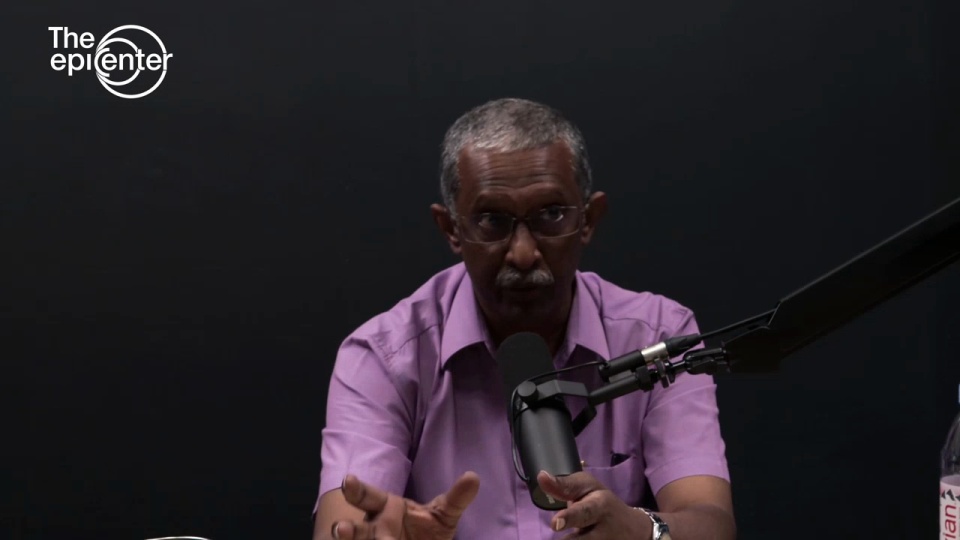
Siva Vivekarajah
0:00
0:00
Featuring
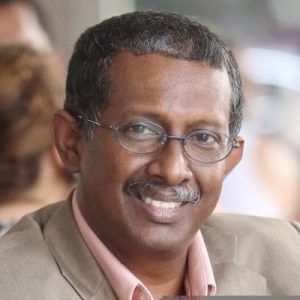
Dr. Sivapalan Vivekarajah
Senior Partner & Co-Founder of ScaleUp Malaysia Accelerator

Episode summary
Dr. Siva Paan Vive Raja has spent over 24 years inside Malaysia’s startup ecosystem — not as a spectator but as the person who lobbied for its grant programs, helped restructure government funding, facilitated SoftBank’s first Malaysian investment, and built the country’s first tech entrepreneur association. In this conversation, he walks through how all of that happened, starting with a failed condom factory in the late 1980s and ending with a 50x paper return on a FinTech company backed by Sequoia.
The core of the episode is valuation. Dr. Siva argues that the biggest reason deals collapse — between angels, VCs, and founders — is that entrepreneurs simply don’t know how their companies should be priced. He explains the Berkus Method for pre-revenue companies, revenue benchmarking using tools like Venture Capital Insights, and the mechanics of liquidation preferences that can quietly swallow most of a founder’s exit proceeds. He illustrates this with a worked example: a 2x participating liquidation preference on a $10M exit leaves a 20% founder with $1.28M — not the $2M they expected.
He also addresses ESOP, the Malaysia funding cycle (why being a ‘tier two’ market turned out to be an advantage in the 2022 downturn), and what the new Anwar government’s startup-friendly policy stance means for the region. His view: Malaysia is a best-kept secret with English-speaking talent, diverse demographics, and a government now actively deploying sovereign wealth and pension fund capital into venture. The next few years could be the best window for founders and investors alike.
Key highlights
On not knowing your own valuation:
“I can safely say 2,799 of them don’t know anything about valuation. If you undervalue your company, you’re giving up too much equity. If you overvalue it, nobody’s going to invest in you. You have to find a fair valuation — and the only way you can do that is if you understand valuation in the first place.”
On liquidation preferences and what founders miss:
“If they have a 2x liquidation preference, plus participating, and they took a 20% stake — out of a $10M exit, they’ve already taken $3.6M before anyone else sees a cent. You’ll be running around saying I got a $10M valuation. But now you’re only left with $6.4M divided by everybody else, including the founders.”
Episode Timestamps:
*(00:00) Introduction — Ronen introduces Dr. Siva as the Godfather of Malaysia’s tech ecosystem
*(01:49) Dr. Siva’s early career in corporate secretarial work and what made him restless
*(03:00) The condom factory — a first venture, a first failure, and an unexpected first exit
*(06:15) Malaysia’s Cyberjaya initiative and the early days of the country’s tech ambitions
*(07:45) Setting up the first VC-founder networking event in Malaysia and the birth of Three C Capital
*(09:00) Founding the Tech Entrepreneur Association of Malaysia and lobbying for Cradle Fund
*(11:00) PhD in venture capital at the University of Edinburgh — and why theory matters less than access
*(13:00) Scaling to 1,000 companies coached over 15 years — and why they had no equity in any of them
*(14:00) Launching Scale Up Malaysia Accelerator in 2019 — 36 investments, 20x and 50x returns
*(17:00) Which founders actually build successful companies — the case for founders in their 30s and 40s
*(18:00) Malaysia’s political instability and why the Anwar government changes the startup calculus
*(20:00) Restructuring Malaysia’s fragmented government funding — the fund-of-funds recommendation
*(22:00) The corporate tax incentive for VC investment and why it’s finally moving the needle
*(25:30) VC market cycles — why 2023–24 is the best entry point since 2010
*(28:00) Why being ‘tier two’ was a gift: Malaysia avoided the valuation bubble that crushed Indonesia
*(31:30) The book on startup valuation — and why deals die on this single issue
*(33:00) The Berkus Method — how to value a company with no revenue using five weighted criteria
*(37:00) Revenue benchmarking and how to build negotiating leverage before meeting investors
*(39:45) Liquidation preferences explained — participating vs. non-participating and the dollar impact
*(42:45) ESOP — the 10% allocation, who should get it, and why it doesn’t work yet in Asia
*(45:30) Why exits are the missing piece: no liquidity events means ESOP is just paper
*(47:05) Dr. Siva’s legacy — building the policy infrastructure for a generation of Malaysian founders
*(51:00) Quickfire round — must-read books, durian vs. chocolate, and the most inspiring person
*(54:30) Aerodyne: why it’s Dr. Siva’s pick for Malaysia’s next unicorn
Transcript
[00:00:00] Ronen Mense: And we’re back with another exciting episode of Epicenter, where we [00:00:15] feature business leaders who are shaping today’s digital economy. And today I’m here with Dr. Siva Paan Vive Raja. Did I get that right? Perfect. Yeah. That’s awesome. So, [00:00:30] um, for those of you who don’t know, Dr. Siva, as he is likes to be called or, or Doc, um, is a senior partner and co-founder of Scale Up Malaysia, which is an accelerator.
[00:00:41] He’s a mentor, an angel investor, um, an [00:00:45] adjunct professor. An author of two books, one which I read, and one which I haven’t gotten my hands on yet. And of course I like to call ’em the Godfather of Malaysia’s Tech and Venture Ecosystem.
[00:00:59] Siva: Thank you, Hernandez. It’s [00:01:00] very kind of
[00:01:00] Ronen Mense: you. Yeah, well, I mean, it’s true.
[00:01:02] No, yeah. Godfather’s also kind of like old, but yeah, I’ve been around for a while. You’ve been around for a while. I think. You, you, you, you earned that. Thank you. So today we’re gonna talk about supercharging your startups valuation. [00:01:15] But I think as a, um, as a good prelude or, or maybe context, because a lot of people probably in Singapore and Malaysia know you quite well.
[00:01:24] Mm-hmm. I mean, you’ve been on the scene for quite some time, but. [00:01:30] I’m gonna guess that, uh, the whole, uh, Asia or maybe the world needs to know who, uh, DVA is. So maybe you can tell us your path of going from where you started to becoming a one X founder to [00:01:45] basically becoming the godfather of Malaysia’s tech ecosystem.
[00:01:49] Siva: Thank you. Thank you Ronan, for inviting me to be on the show. It’s a pleasure to be here with Ronan Mans. On the epicenter
[00:01:57] Ronen Mense: and we have our own mugs. That’s
[00:01:58] Siva: right. [00:02:00] Which I can’t take back with me. I’m unfortunately been told. Okay. I’ll give it to you if you want it. Uh, thank you for having me on the show.
[00:02:08] Yeah, I’ve, I’ve been around for a while. Um, I. I started off being a corporate consultant. [00:02:15] My first qualification was in corporate work, so I’m a charter secretary in, in the Commonwealth countries. Every company must have a company secretary. Mm-hmm. That looks after all of the company’s legal requirements and stuff.
[00:02:28] You know, you change directors [00:02:30] resolutions and stuff like that. So I started off being there, um, but it got a little bit boring for me. You know, it’s, it’s. Paperwork, right? Mm-hmm. So it got kind of boring for me. Uh, so I, I went into different kind of businesses. I went to many, many different types of businesses, right?
[00:02:43] Wow. Many of which tell us, [00:02:45] tell us many, many of which failed. Right. Maybe the one that’ll be most interesting to you was I got into the condom business. Wow. Yeah. You probably don’t know that as well, right? Yeah. So this goes back a long time. I didn’t know that actually. Yeah. So, [00:03:00] um, uh, during the time when AIDS was quite prevalent, this was the late.
[00:03:04] 1980s and early 1990s, there was a lot of demand for condoms and uh, and gloves, rubber gloves, right? Just like during COVID, there was huge demand for rubber gloves. Uh, so there [00:03:15] was, uh, lack of supply and we started exporting some stuff because Malaysia was a large producer of, of gloves and condoms. And because there was big demand, um, me and a few partners got together and set up a factory.
[00:03:27] Do this. Right. So that was my real [00:03:30] venture outside my corporate consulting work. I still kept it my corporate consulting, but I got into this.
[00:03:34] Ronen Mense: I hope you weren’t doing qc. Uh,
[00:03:39] Siva: I, I, well, I was going to say something else, but No comment. No comment. Yeah, I [00:03:45] still, QC is quite interesting, but yeah, so I, I got into that business, uh, and like.
[00:03:50] Any business where there’s huge demand, everybody else wanted to get into the business as well. So when the AIDS epidemic kind of like slowed down, demand actually was, [00:04:00] uh, you know, not enough. And supply was overwhelming, uh, especially for the gloves business. Mm-hmm. And it, it’s the same kind of product, right.
[00:04:07] It’s rubber dipped. You, you, it, it’s a dipping, uh, methodology mm-hmm. Where you make condoms and gloves and [00:04:15] when the supply was too much. Uh, the banks pull back on, on all of their financial finances and most of the glove companies closed down. Just like what’s happening now.
[00:04:24] Ronen Mense: Mm-hmm. Right?
[00:04:24] Siva: Because of COVID.
[00:04:25] A lot of people set up glove factories. Now there’s no demand, so a lot of them are shutting down. [00:04:30] Unfortunately, we got caught in the same thing because the bank just say anything to do with, uh, you know, this industry, shut it down. Right. They, they didn’t wanna finance it anymore, so that was my first major failure.
[00:04:39] Mm-hmm. Right. So we had to shut down the factory because there was no financing. Literally, if you export [00:04:45] anything, banks don’t give you any financing and you can’t survive without bank financing when you do exports. So that was my first major failure.
[00:04:51] Ronen Mense: So at least you failed because of funding and not because of faulty condoms.
[00:04:55] Exactly, yeah. The condom, just for the record,
[00:04:57] Siva: just for the record. They were good. Right. [00:05:00] So that was like a, a major failure. Right. We had to shut it all down. Uh, but I, I wasn’t happy with that, you know? So what I did was after everything kind of like settled down, I went and spoke to the bank and I bought back all the machines.
[00:05:14] Mm-hmm. [00:05:15] Right? Because by that time, 90% of the factories are shut down. And nobody is gonna go back into it again. Right. So I went and bought back those machines and I set it up again because I, I saw that there was demand. Well, I didn’t like to fail anyway. Right? Right. So I wanted to do this again. So we set [00:05:30] it up again and we were doing reasonably well.
[00:05:32] Right. And that’s when one of the big glove factories that are like four major players in the glove industry in Malaysia, one of them came up to us and said they wanted to buy us out.
[00:05:40] Ronen Mense: Mm-hmm.
[00:05:41] Siva: Right? So we said, okay. Right. And we sold that. So from [00:05:45] something that was a complete disaster that failed. I, I got back the machines like, you know, 10 cents on the dollar.
[00:05:50] Mm-hmm. So we set it up again and we sold it. And so that was a nice, that was one exit. Right.
[00:05:55] Ronen Mense: So you had your first
[00:05:55] Siva: exit? I had my first exit. Wow. So it was a strange day. I never [00:06:00] thought I’d exit know in those days when you set up a business, you think you setting it up for life. Right. So I had a first exit.
[00:06:06] Uh, and after that, you know, that’s when the whole technology ecosystem started, right. Amazon and, and, and, uh, [00:06:15] Microsoft and all were really doing well in the us.
[00:06:17] Ronen Mense: Mm-hmm.
[00:06:18] Siva: And that’s also when Malaysia decided to get into the technology space. So Malaysia was the first government in Southeast Asia, in fact, I think in Asia.
[00:06:26] Mm-hmm. That set up a whole [00:06:30] hub. A whole small mini city called Cyber Gyre. Mm-hmm. Where they wanted to make that the technology hub for Malaysia and actually for Southeast Asia. Uh, that was done by the former Prime Minister Ma de Morman. And that was like 19 96, 19 [00:06:45] 97. Mm-hmm. So that was really exciting times.
[00:06:46] Right. So when I heard about that, I was so excited. I, I drove to the spot, which is supposed to be saja. It’s nothing there, but rubber trees, oil, palm trees. So they basically took over huge plantations and set it up. But you know, in a couple of years [00:07:00] time, they actually had a proper setup. You know, they had offices and stuff, and we had people like Bill Gates and all these people coming down to Malaysia as part of the international advisory panel.
[00:07:09] Those were really wonderful days in Malaysia. You know, so we had all of those things, right? And [00:07:15] I wanted to do something in that space. I, I was beaten by the, the bug. I wanted to do something in that space. And one of the things was that there were a lot of companies, technology companies that were setting up, because militia wanted to be a technology hub, right?
[00:07:27] Mm-hmm. But there was no one helping them with fundraising or [00:07:30] anything like that. So what I did was, uh, I set up a company, uh, to actually bring in investors from outside Malaysia into Malaysia to show them what Malaysia is doing. Mm-hmm. So I worked with the government and I brought in a bunch of VCs from, from the [00:07:45] us, from Hong Kong, from China, from Singapore into Malaysia.
[00:07:48] First time they ever, they came into Malaysia and I did the first ever networking session ever for technology companies and VCs in Malaysia.
[00:07:55] Ronen Mense: Wow. So you are the godfather. I’m not joking here.
[00:07:59] Siva: So, you know, [00:08:00] in, in the US there are things like first Tuesdays and stuff like this goes back a long time, right?
[00:08:05] Yes. But nothing like that in the region. So I set it up in Malaysia, I call it, uh, uh, my, my company was called three C Capital at the time. Mm-hmm. So three Cs meant connecting. Capital [00:08:15] and creativity. Mm-hmm. Right? And so we brought in all of these people. We had the first networking session, you know, uh, networking at Three Capital.
[00:08:22] So we brought all of these guys. So that was really exciting times, right? Mm-hmm. Uh, and then of course, uh, the.com bus happened, right? [00:08:30] Right. Uh, but. Or early two thousands. That was early, early March, 2000. Right. The dotcom bus happened. So things kind of like really slowed down in the west especially. But I think in Malaysia, things were still okay.
[00:08:41] It wasn’t too bad. Right. So that’s when I really got into the space. Mm-hmm. [00:08:45] Uh, and, and one of the things, the two things that really, uh, were important, one is there were a lot of entrepreneurs setting up technology companies but didn’t know how to build a technology business. And secondly, they all needed funding and there was very little funding in Malaysia.
[00:08:58] Mm-hmm. So that’s [00:09:00] when I got into training and coaching in a way. So I started working with entrepreneurs and I started working with, with investors to invest in these entrepreneurs. And, uh, interesting story, SoftBank’s first ever investment in Malaysia was brought in by me. [00:09:15] Wow. And they invested in a company called Tel, which was later listed on the Malaysian stock Exchange.
[00:09:19] Mm-hmm.
[00:09:20] Ronen Mense: Yeah.
[00:09:20] Siva: So that was soft banks, but. That was a different SoftBank, right? It’s mini SoftBank compared to what it is today. So that’s the kind of stuff I was doing. Uh, and then, [00:09:30] uh, my management company got bought out in 2002, and I decided to go to the So now you’re a two X founder? Two x, yes. Oh. Not a, not, not a unicorn kind of exist.
[00:09:43] Right. But, you know. Oh. But you know, an [00:09:45] exit is still, I guess. Yes, that’s true. Uh, and, and actually before that I also set up an organization called the Techn Entrepreneur Association of Malaysia.
[00:09:52] Ronen Mense: Mm-hmm.
[00:09:52] Siva: The first organization of its kind in the region where technology entrepreneurs got together and they, they [00:10:00] have a voice now.
[00:10:00] Right. And the government engaged. With the association, the government was looking at policies that would help the startup space, but they didn’t know who to talk to. Mm-hmm. So I say, Hey, lemme set up an organization like that. I became the first president.
[00:10:13] Ronen Mense: Mm-hmm.
[00:10:13] Siva: And we started working with the [00:10:15] government, including lobbying the government for policy and stuff like that.
[00:10:18] So all this goes back to like, you know, the year 2000, 2001, and so on. Mm-hmm. Uh, and we, we did well with our lobbying. Uh, at that time there was no early stage funding, so we lobbied the government for [00:10:30] grant funding and we got them to agree to that, and we set up an agency called Cradle Fund. Mm-hmm. And that agency has now funded more than a thousand companies with grants.
[00:10:39] Wow. A lot of successful companies in Malaysia. Uh, all the after the early grants that were given to [00:10:45] them by this agency. So, you know, we, we did a lot of those kind of stuff. Uh, and then in 2003, after my company got sold out, you know, I thought maybe I’ll go and do something different, because I was very interested in the venture capital space.
[00:10:57] Mm-hmm. So I went off to the [00:11:00] UK to do a PhD in venture capital. Whoa. Okay. Yeah. By then I already had my law degree and my master’s degree as well. So you
[00:11:05] Ronen Mense: were already doctor before then. Now you’re like a triple doctor.
[00:11:09] Siva: No, no, no. I was, I wasn’t a doctor at that time. Okay. Yeah. I did my masters uhhuh, but I decided to go and do a PhD in [00:11:15] venture capital.
[00:11:15] Okay. So I went to the University of Edinburgh. Uh, there were only two, uh, professors who could supervise someone in venture capital. Mm-hmm. One was in Nottingham, the other one was in Edinburgh. And, and my, my chemistry with the professor was very good. He was a wonderful person. [00:11:30] He, he’s still a professor there, so he’s a great guy.
[00:11:32] Just
[00:11:32] Ronen Mense: curious, what does it take to become a professor of venture capital? Do you have to have like six exits, uh, that are unicorns or have, uh. X billion [00:11:45] under management. I mean, like, ’cause it’s kind of a, a, a precarious position that you’re Yes. Getting a PhD in venture capital from a guy who’s teaching about venture capital.
[00:11:55] Yes. But have they been involved in venture capital themselves? So it’s interesting, right? Yeah.
[00:11:59] Siva: Most of [00:12:00] the professors, yes. Who do this consult. Okay. They don’t really set up their own venture funds, Uhhuh. So they consult with venture funds, they consult with angel funds. So they were quite big in the UK at the time.
[00:12:11] Angel Funds, they consult with them. They do research on this industry.
[00:12:14] Ronen Mense: Mm-hmm. [00:12:15]
[00:12:15] Siva: Right. So they work very closely with investors and stuff like that. Mm-hmm. Not. So some of them are also, like, even my professors, like an angel investor. He invests in a few things here and there. Right. But mostly through research is where they learn how the industry works.
[00:12:28] Okay. Yeah. So I went over to [00:12:30] Edinburgh and you know, we, we moved there, my wife and I, we moved there and I, I did my PhD there.
[00:12:34] Ronen Mense: Mm-hmm.
[00:12:35] Siva: So that’s like the, the early part of my life. Right. And after that PhD came back to Malaysia. And you know, now that you have a PhD in, in venture [00:12:45] capital, you know, a lot of people say, Hey, you know, can you teach us a little bit?
[00:12:48] Right? Yeah. Can you train us a little bit? So that’s when I got into coaching and training. Uh, and at that time, people were still only doing like one day seminar, two day workshops and all that kind of stuff. So people will come, they learn, but. [00:13:00] They don’t really implement what they learn. So that’s when we started doing long-term coaching programs.
[00:13:05] So we did like one year coaching programs, right? You come into our program, you sit down with us for one year, we have coaches for you if you’re early stage. We’ve got other entrepreneurs who are successful to coach [00:13:15] you. If you want to raise funds, we’ve got investors to come and coach you. If you’re late stage, we’ve got corporate people come and coach you.
[00:13:20] Right? So we did that for like about 15 years. We’ve actually coached a thousand companies and 2,800 entrepreneurs in Malaysia. So a lot of successful [00:13:30] companies in Malaysia, you know, came through that program. Mm-hmm. So people in Malaysia will know things like, uh, iPay 88, which is one of the biggest payment gateways in Malaysia.
[00:13:38] Uh, easy Parcel, which is one of the biggest logistics player, uh, a lot of these kind of companies. Mm-hmm. Technician market is a very big e-commerce [00:13:45] play, so a lot of them came through our program. Uh, and, and we did well coaching them, but we realized then that, you know, we had no equity interest in them.
[00:13:52] Ronen Mense: Mm-hmm.
[00:13:53] Siva: The government paid us to coach them, but they, when they went on to be successful, we had no, uh, interest in them. No skin in [00:14:00] the game. No skin in the game. So we decided in 2019 to set up scale up Malaysia Accelerator. Okay. So we raise funds from individuals. Primarily, and we invested in these companies and we did it for like four years.
[00:14:12] Mm-hmm. So our latest batch was this year, [00:14:15] and as of now we have 36 investments.
[00:14:17] Ronen Mense: Mm-hmm.
[00:14:17] Siva: In a variety of companies. Some of them have done really well for us as well. Example, uh, so we have a company called. Earth, which is, uh, recycling of e-waste. Okay. Yeah. And, and they just receive [00:14:30] funding from our Sovereign Wealth Fund, Kazana, Uhhuh, and Gobi Partners, which is very large VC in Asia.
[00:14:35] Yes. They just received funding from them. And I think our, our multiple on that is already like 20 x. Wow. Yeah. Okay. Right. Uh, [00:14:45] we have a few other companies that that. Did similarly as well. We had one other company called Impact, which is in the FinTech space. Mm-hmm. And Sequoia invested in them. Right?
[00:14:55] Sequoia’s only investment in Malaysia, uh, at that time. I think they have two now. Mm-hmm. So they [00:15:00] invested in them and we had like, uh, almost 50 acts written. From that we haven’t exited yet. We’re still there. Right. But just based on the valuations that came in, we already have 50 x return on that. You know?
[00:15:10] So we have some very nice success stories as well. We have some very good impact companies. Mm-hmm. [00:15:15] That were invested in as well. Right. We have a company called Kiddo Care that provides carers, mm-hmm. On demand. For parents, right? Mm-hmm. For children. Uh, they also were invested in by a few companies, uh, including Gobi and Kazana as well.
[00:15:29] Uh, that’s also doing [00:15:30] really, really well. So I think we’ve been quite lucky in that sense. We, we did some, we selected some really good companies, but we don’t just invest and then don’t do anything. Mm-hmm. We, we work with them. We help them build a business, we help them look at their business models and so on.
[00:15:43] So we are quite [00:15:45] active investors in that sense. Mm-hmm.
[00:15:46] Ronen Mense: Yeah. So you’re active. It’s much more than money. Right. And I think that’s what really founders need Yes. Is, is especially first time founders. Yes, exactly. Especially young first time founders, right? Yeah. [00:16:00] Just giving them money is basically like, here’s daddy’s credit card.
[00:16:03] Go have a night on the bar. Right? Yeah. Um, so probably, uh, that’s not exactly the, uh, the ideal, uh, uh, kind of template for
[00:16:12] Siva: success, right? Yes. Yeah. But, you know, a lot of [00:16:15] our, our companies, right? I think if you, we look back on the companies that we invested in.
[00:16:20] Ronen Mense: Mm-hmm.
[00:16:21] Siva: Um, the founders that are actually more successful are those who are in the thirties and forties.
[00:16:26] Mm-hmm. So not so much those in the twenties. Right. Yeah. Uh, [00:16:30] those in the twenties probably have a lot more to learn. We need to really, uh, uh, impart a lot of knowledge to them and our experience. But founders in the thirties and forties are actually very good. Uh, but they might be good in certain areas, not so good in other areas.
[00:16:42] Mm-hmm. So we help them in the areas that they’re weak in. [00:16:45] Mm-hmm. For example, in in talent, in, in, in managing people. Yes. We get advisors to come in and talk to them about that kind of stuff. Fundraising is something that very few people know about, so we help them in that as well.
[00:16:55] Ronen Mense: Yeah.
[00:16:56] Siva: So it depends on who they are, what their needs are.
[00:16:58] Then we work with them [00:17:00] and help them. So.
[00:17:02] Ronen Mense: You, you’ve done these, uh, accelerators, now you have this, um, uh, fund that basically is, is really getting carried in, in mm-hmm. In all the investments that you’re doing. Um, you know, [00:17:15] it’s kind of an interesting segue. Malaysia has kind, has gone through a rocky period right?
[00:17:20] Of, of, uh, on the political side. Yes. Um. How many? Five Prime ministers in five years. Five Prime minister in five years. Yeah. So I dunno, uh, any other countries, uh, [00:17:30] that, that can, I don’t think so. Can match that. Um, and now it seems like there’s a new Don with, uh, Anwar Ibrahim, right? Yes. Who’s, what is. You know, what is your outlook for the Malaysia tech ecosystem?
[00:17:42] What do you see is, is, uh, [00:17:45] you know, what, what’s promising? Where do you think Malaysia can compete, not only like at a Malaysian scale, on a global scale, but also, you know, why is it interesting for global companies to also look at Malaysia?
[00:17:58] Siva: So I think, uh. [00:18:00] Malaysia is probably one of the best kept secrets.
[00:18:02] Mm-hmm. Right. Many people don’t know much about Malaysia. Mm-hmm.
[00:18:06] Ronen Mense: They
[00:18:06] Siva: know about Indonesia because Indonesia is a very large market. Mm-hmm. Uh, they know about Singapore because it’s a financial center. Right. Most people don’t know much about Malaysia. Mm-hmm. And Malaysia actually is a [00:18:15] great place to start a business.
[00:18:17] Uh, Malaysian governments have always been business friendly. Mm-hmm. But the current Anwar government is very startup friendly as well. Right. They have been very open about wanting to. To engage with a startup [00:18:30] ecosystem. They want to create more startups in Malaysia. They wanna build, make Malaysia a hub for startups in Southeast Asia.
[00:18:37] And Malaysia actually is a great place to do that. Right? Because everybody speaks English.
[00:18:41] Ronen Mense: Mm-hmm.
[00:18:41] Siva: Right? So wherever, whatever startup you are, whichever part of the world you are [00:18:45] from.
[00:18:45] Ronen Mense: Mm-hmm.
[00:18:45] Siva: If you’re an English speaking startup, Malaysia is a great place to do that. Mm-hmm. I mean, if you go to Vietnam, we are a big market in Vietnam, Thailand, Indonesia, but they don’t speak this language as well.
[00:18:54] Uh, there’s actually a very good talent in Malaysia. Mm-hmm. In fact, Singaporeans hire a lot of Malaysian talent, for [00:19:00] example. Right. So talent is there, English language speaking is there. It’s not a very large market at 32 million people. Mm-hmm. But it’s sizable enough mm-hmm. Where you can test all of your products because, uh, Malaysia also comprises of different races, [00:19:15] different languages, different cultures.
[00:19:16] Right. So if you test something in Malaysia and it works in Malaysia, there’s a strong possibility it’ll work. In other parts of, uh, you have a great
[00:19:24] Ronen Mense: demographic pool there,
[00:19:25] Siva: great demographic pool. Yeah. Right. Uh, it’s also very business friendly. So you can come to Malaysia, [00:19:30] set up a business. Uh, there are tax incentives for you as well.
[00:19:33] If you set up in Malaysia. Uh, if you are an entrepreneur, you can even set up a Malaysia, get a Visa, stay there for two years, uh, up to five years. So it’s very business friendly. Right. Uh, the one thing that we don’t have enough [00:19:45] of is there isn’t enough funding in Malaysia. Ah. Right. So this has been a weakness for a very long time, uh, and actually starting to get a little bit better.
[00:19:53] Mm-hmm. Uh, because in 2019 when the previous one of the governments took over from the, uh, previous government that was ruling [00:20:00] for about 60 years, they wanted to restructure the whole funding ecosystem because we had too many government agencies that were doing funding. Uh, so the minister at the time, the Minister of Science, appointed me as a task force chairman to look at restructuring the [00:20:15] funding ecosystem.
[00:20:16] Uh, because in Malaysia, every time a new government comes in, right, they set up a new agency to do something, one agency to do funding here, another agency do funding there. In the end, we ended up. Multiple agencies doing funding. Mm-hmm. And it wasn’t a very efficient way of [00:20:30] doing it. Right. I can imagine.
[00:20:31] Yeah. And, and you know, so entrepreneurs were like, where do I go for this? Right? Yes. Uh, and people say that we have this, this thing called grant preneurs because they go and get grants and funding from different agencies and the agency don’t talk to each other. They don’t know. Ah, right. So the smart [00:20:45] guys get multiple rounds, multiple rounds on the same round.
[00:20:47] Yes, exactly Right. So we wanted to restructure that, uh, and also because many of the agencies were not efficient in funding. Mm-hmm. And they didn’t have the right people to do it as well. So they were not [00:21:00] funding, well, they were not giving a good return to the government. Sometimes the returns were actually quite poor, so they wanted to restructure so.
[00:21:06] One of my policy recommendations to the minister At the time, we had two major policy recommendations that were adopted. Uh, the first one was that venture capital has [00:21:15] to be done on a fund or fund basis. That means the government shouldn’t be directly investing in companies. The government should provide funding, match it to funding from the private sector VCs and the private sector VCs should do the funding.
[00:21:28] Right. Because then it’s more [00:21:30] efficient. They are more, they’re experts in that field. They know how to do this better and they have skin in the game. Mm-hmm. Because, you know, they bring in their own money and they have a 20% carry. Mm-hmm. So they have skin in the game. So the government actually restructured that.
[00:21:43] And because of that, we had another agency [00:21:45] set up called pja Capital. Mm-hmm. They do just fund of funds alone, right? Mm-hmm. And now the entire ecosystem, uh, the entire funding by the government is going via fund of funds. That’s showing much better results than the previous ways of doing it. Mm-hmm. The other, uh, in the, [00:22:00] the other thing that was done, our recommendation is a corporate tax incentive.
[00:22:03] Mm-hmm. So in, in Malaysia, the corporates are actually very rich. Mm-hmm. There’s a lot of cash that’s in the hands of the corporates, and we have government linked companies, publicly companies have a lot of cash. Mm-hmm. But they [00:22:15] haven’t been investing in a startup ecosystem. Mm-hmm. If you go to places like.
[00:22:19] Indonesia and Thailand. You find that a lot of families are very vested in the ecosystem. Yes, they have. They have a lot of family run venture capital funds or family offices, CVC family offices, corporate venture capital funds. [00:22:30] It’s not like that in Malaysia. Mm-hmm. There are a lot more risk averse, so we decided that if we can give them an incentive to.
[00:22:38] They would invest. So the government agreed with us, and now if a, if a corporate invests up to 20 million, ring it [00:22:45] a year mm-hmm. In a venture capital fund, or they set up their own venture capital fund, they get a tax incentive, they can write it off their taxes. Right. So that’s an immediate saving of 25% in taxes.
[00:22:55] Now we see a lot more corporates coming in to do that, so, so. I started by [00:23:00] saying the ace, that one of the biggest weaknesses, there isn’t enough money in the ecosystem, right? So now the government is starting to do it. Now the pension funds are coming and doing this as well. Our sovereign wealth fund has, uh, agreed to invest 1 billion ringing, uh, that’s like almost 200, [00:23:15] 200, 200 50,000, 250 million US dollars.
[00:23:20] Our largest pension fund is also doing that, and the government pension fund is also doing that. Mm-hmm. So now there’s a lot more money coming into the ecosystem from the government. Mm-hmm. Because this current government’s very supportive [00:23:30] and the corporates are also starting to come in as well. Mm-hmm.
[00:23:32] So I think hopefully in the next two to three years mm-hmm. We will solve this problem. So if we solve the problem of lack of funding, we solve a lot of other problems as well.
[00:23:43] Ronen Mense: Yeah.
[00:23:43] Siva: Right. Because. [00:23:45] Startups can’t hire good people unless they are
[00:23:48] Ronen Mense: funded. This sounds interesting because it’s almost like a little bit behind the curve.
[00:23:52] Mm-hmm. Um, in some ways, and I think given what you know, this, uh, the macro [00:24:00] economics of, of the past few years, um, especially post COVID, you know, there’s been a lot of bankruptcies that are happening. A lot of, uh, um, you know, down valuations, down rounds, down rounds, um, [00:24:15] and kind of malaysia’s now seems like it’s coming in.
[00:24:18] Mm-hmm. Just when things are leveling off. Mm-hmm. And almost might be. I wanna say like, um, a little bit more immune to having made mm-hmm. Bad investments of the past. Mm-hmm. And probably under the [00:24:30] right structure, which you mentioned. Mm-hmm. And creating what I, I see as like more of a unbiased way of, uh, putting money in.
[00:24:37] Right? Mm-hmm. Like you make sure ensure that you don’t like double dip into the same, uh, company. Right. Or, or, or that, uh, you know, some, [00:24:45] someone is investing in their, uh, uh, cousin’s, uh, brother’s, uh, condom manufacturing, uh, business. So that’s good. So it sounds like the the changes that, uh, you’ve helped to Yeah.[00:25:00]
[00:25:00] Um, recommend are, are, are gonna take good shape. Uh, it looks like it. Yes.
[00:25:05] Siva: And I think it’s also just like you said, uh, venture capital goes in cycles as well. Yes. So post the global financial crisis in 2008, you know, [00:25:15] it was a really down round for the venture capital industry. Right. It was down,
[00:25:18] Ronen Mense: yeah.
[00:25:18] Siva: And then it started picking up in 2010 and it boomed all the way right up to 2021.
[00:25:24] Yeah. Which was like the peak, right? So 2022, you know, it dropped very badly, right? Yeah. I mean. [00:25:30] Market capitalization in US stock exchange really dropped for tech companies. Right? They drop like some of them, 70% even, right? Yes. Some 75%. Uh, so that actually, you know, cost, uh, uh, valuations to drop even for startups.
[00:25:43] Yes. Uh, but a [00:25:45] lot of VCs raise money in 2020 and 2021. Those are the two best years. Ever in the history of venture capital. Right. So many of them have money, they call it dry powder to invest, but they couldn’t do that in 2022. Mm-hmm. Right. But now [00:26:00] that, you know, it’s 2023, they have to actually start investing.
[00:26:02] Mm-hmm. So we are seeing a lot of Singapore based vc, for example, coming up to Malaysia, looking for deals. Mm-hmm. They’ve invested in some of our companies as well. Right. But what I see now is a new cycle starting. Mm-hmm. Right. So it’s dropped a [00:26:15] lot. And now we see a new cycle starting in 2023-24 And normally the cycles last about 10 years.
[00:26:21] Mm-hmm. Eight to 10 years. So if, if that’s the case, this is probably the best time. To invest in startups and the best time to invest in venture capital funding. [00:26:30] ’cause even startup valuations are down. Yes. Right. They used us for ridiculous money.
[00:26:34] Ronen Mense: Very, very. Right. I, I think there’s two interesting things that you, you mentioned.
[00:26:38] One is that, you know, we’ve been, since really 2008, 2009, everything has been [00:26:45] basically up and to the right. Mm-hmm. Right. And I think that, um, you know, probably for a lot of the. Younger people who have been in tech or, or uh, um, companies that are well funded for the first time in their [00:27:00] careers, they’re actually seeing, you know, valuations dropping.
[00:27:04] Mm-hmm. Layoffs. Right. Which are kind of still happening in, in the industry. Right? That’s right. And I think that it, it’s important because this adds a little bit of, [00:27:15] um, I wanna say like, uh, scars, right? Mm-hmm. Everyone needs some scars, right? Yes. And, and to help build that grit and to understand that not, you know, this world isn’t built up into the right all the time, right?
[00:27:26] Yes, exactly. And, and I think that’s, uh, that’s important. And the second thing that you [00:27:30] mentioned about dry powder, um, is it that. Funds when they are VCs, when they are, are drying capital, it’s almost like they’re on the clock, right? Yes, absolutely. To start returning. So we, we hear a lot of dry [00:27:45] pow there’s a lot of dry powder in the market.
[00:27:46] Yes. But it is, it, is it that’s only dry powder when it’s actually sitting in the, in the VC’s hands, right? That’s right. If they’re still in the funds. They’re not on the clock. So it’s actually there’s powder, but they haven’t drawn it. Right? Yes.
[00:27:59] Siva: But [00:28:00] normally, uh, the way VC is structured mm-hmm. Right? The, the fund has a life mm-hmm.
[00:28:05] Lifetime. So most VC funds are between 7 to 10 years. Mm-hmm. Okay. So when you set up the fund, you sign up your limited partners, who are your investors in your fund? You tell them, [00:28:15] okay, my fund life is 7 to 10 years. Mm-hmm. So if we started, let’s say in 2021, it’s probably by. 2028, or by, yeah, latest by 2031.
[00:28:24] Yeah. They need to exit and close the fund. Right. So with most funds, the first two to three years is spend [00:28:30] looking for deals and investing in these companies. Right? Right. So assuming, let’s say it’s a seven or eight year fund, right? Two to three years is spend investing in companies. So that’s where a lot of the work goes in looking for deals.
[00:28:40] Ronen Mense: Hmm.
[00:28:40] Siva: And then the next two to three years, you’re managing your portfolio. Mm-hmm. You’re managing these [00:28:45] companies and helping them to grow and maybe raise more funds and so on so that in the last two to three years. You look for exits for this mm-hmm. For your investments. Right. And you have to exit, otherwise you can’t return any money to LPs.
[00:28:56] And for VCs in particular. Mm-hmm. Your money, [00:29:00] you, you make your money when you have exits. Because we have a 20% carry, which means we have a 20% interest when the fund makes money. Mm-hmm. Right? And that only happens towards the end of the fund line when you’re actually exiting. Right. So they all actually have.
[00:29:13] This, this clock [00:29:15] that’s ticking all the time. So if you don’t invest in the first two to three years mm-hmm. There’ll be a rush to invest in another two years. ’cause then you still have to do that whole portfolio management and getting that exit. So if the guys that started the funds in 2020 [00:29:30] 2021 the clock is already ticking.
[00:29:31] 30 20 end of 2023. Now, they should already have been fully invested right now. Or at least most of it invested by now. But now they haven’t done it. Right. They’re keeping the money because the last two years they didn’t do any investments. Right. So that’s why they have a lot of money. So now they’re coming [00:29:45] out here and looking to invest.
[00:29:46] And it’s a good time for entrepreneurs.
[00:29:48] Ronen Mense: Yes.
[00:29:49] Siva: Right? Because we have money. They need to invest. Yes. And they raise significant money. Right. It’s not small money that they raise. Yeah. Right. So they need to invest. In fact, vertex recently announced they raised almost 500 [00:30:00] million US dollars. Wow. With text from Singapore, right.
[00:30:02] They raised 500 million US dollars and they’re going to invest in Southeast Asia and India. So, and you know, India valuations are down and you know, India, was it boomed in India right? In the previous, uh, boomed and busted. Boomed and [00:30:15] busted. Right. Yeah. So I think Southeast Asia has great opportunity. Yeah.
[00:30:18] ’cause one thing I wanna point out, one thing that you said, right, we never really went through all the pain that the ones in the west went through, because at least in Malaysia. Yeah. Valuation never boomed like they did in [00:30:30] other parts of the world. Indonesia. Yes. Indonesia. Valuations were very high. Yes.
[00:30:34] Vietnam as well. Yes. Malaysia, Thailand, Philippines. It never happened. Yeah. So we never went through that, you know, sky high valuations and big drops. Right. So we never really went through that kind of. [00:30:45] So I think for Malaysia, Thailand, Philippines, it’s okay. So it pays to be in a tier two. Yeah, it pays to have, so, yeah.
[00:30:54] You know the resisting that, you know, these countries are tier two, right? Yeah. So tier one, Indonesia. Vietnam. [00:31:00] Singapore companies get higher valuations. Yes. ’cause they’re considered tier one. Those two markets are fairly big for excitement in Indonesia, Vietnam, Malaysia, Thailand, uh, Philippines has been tier two.
[00:31:10] But I think, you know, like you said, right. Thanks to this big drop in everything. Yes. We were lucky being in tier [00:31:15] two because Indonesia, all those guys that raised at high valuations are all going to go through down downs now.
[00:31:21] Ronen Mense: So this is actually the chance for the tier two to become tier one.
[00:31:24] Siva: Exactly.
[00:31:25] Ronen Mense: Wow.
[00:31:25] Siva: Here we go.
[00:31:26] Ronen Mense: This is, this is, this is good. And, and, uh, I wanna shift [00:31:30] to, uh, something that, uh, you are, are super passionate about and, and you. Went so far as writing a book about supercharging your, um, your startup and scale ups, uh, valuation. Right. And I mean, because you’re spending a lot of [00:31:45] time in front of founders and, and first time founders and, and CEOs, um, your LinkedIn profile shows that you wear no less than seven hats, I think it is.
[00:31:56] Yes. Um, so really, you’re, you’re [00:32:00] very, very active in this space. Yes. Um. What are, I’m, there’s a, a, a, something that I, I, I picked up on the, um, in the description, the biggest cause of failures in [00:32:15] angel investment and venture capital deal closure or an acquisition is disagreement on valuation, and the primary reason for this failure is a lack of understanding by entrepreneurs and some angels on how to [00:32:30] value your business.
[00:32:31] Yes, absolutely. Talk to us about this. I mean, founders, listen, this is why you’re here, right? Exactly.
[00:32:39] Siva: Right. That’s why you’re here. So, you know, we have worked with 2,800 founders. Mm-hmm. [00:32:45] And I can safely say 2,799 of them don’t know anything about valuation. Wow. Seriously. And, and if they talk to the normal accountant of valuation, the accountant will say, okay, let’s [00:33:00] look at price earnings ratio, which is based on your profits.
[00:33:02] Then startups don’t have a profit. So that’s out the window. You don’t have revenue even. Yeah. Okay. Some of them, right? Yeah. At the early stages. And then they say, okay, let’s do a discounted cash flow. Mm-hmm. Discounted cash flows only [00:33:15] work when the company is more mature and your revenues are more stable and predictable.
[00:33:20] Mm-hmm. And you have to predict for, for discounted cash flow to work’s gotta be at least five years. Future forecast. Mm-hmm. Right. These startup don’t even know how much they’re going to earn next month. [00:33:30] Right. What more next year? How are they going to predict for five years? Right? Which means you’re just pure guess.
[00:33:34] So you’re just gonna throw in some numbers and and try and find a valuation that works for you. So that also doesn’t work, right? So what kind of valuations work and what if you don’t even have revenue at the [00:33:45] very early stages, right? Angels invest at the very early stages. If the company’s just starting up, they’ve got a product, they’ve got a team, how do you value that?
[00:33:52] Right? Right. Nobody has a clue. So. Entrepreneurs want high valuation. Investors want low valuation. Yes. And very often they don’t [00:34:00] meet, so they say, we can’t do this deal. Right. Uh, and sometimes, you know, entrepreneurs also are not professional enough. They don’t understand valuations. Maybe some investors understand valuation better, especially like VCs and all of that.
[00:34:11] Right. So entrepreneurs now are dependent on [00:34:15] VCs to value them. And this will take whatever they give you. Right. So if the VC value you’re low and you need the money, you just say, okay, that’s because you don’t understand valuation. So when I was running all of our programs, you know, one of the things I had to teach all my entrepreneurs is [00:34:30] valuation.
[00:34:30] Ronen Mense: Mm-hmm.
[00:34:30] Siva: Because they all say, I have no idea how to do this. Right. And if you make a mistake, it can be a very costly mistake. Right. If you undervalue your company, it means you’re giving up too much equity. If you overvalue your company, nobody’s going to [00:34:45] invest in you. Right? So you have to find a balance where both parties, the entrepreneur and investigates a fair valuation.
[00:34:52] It’s not a low valuation or a high valuation, but a fair valuation. And the only way you can do that is if you understand valuation in the [00:35:00] first place.
[00:35:00] Ronen Mense: Mm-hmm.
[00:35:01] Siva: Right. So this is where we teach our entrepreneurs. There are different methods to do valuation.
[00:35:05] Ronen Mense: Hmm.
[00:35:06] Siva: So if, for example, uh, you have no revenue. How do you value a company with no revenue?
[00:35:11] You can do discounted cash flow and revenue multiples and stuff, right? [00:35:15] So there are different methodologies. For example, there’s a methodology called the KU method. Mm-hmm. Right? It was created by someone in America called Burkus, right? Mm-hmm. And in the Burkus method, you have five different elements.
[00:35:25] You have things like. The market. Mm-hmm. Right? Is this going to be a [00:35:30] sizable enough market for you to invest in? Then they look at the team, then they look at the technology, then they look at the execution, right? So they look at all of this and they value that part of it. So in the Book’s method is like you put a $500,000 [00:35:45] valuation to each of these elements and you compare them to other companies in the same uh, industry.
[00:35:51] And if, let’s say in this team, this team is. As good as or better than others in the industry, you give them a high evaluation. Mm-hmm. You can only go [00:36:00] up to 500,000. Right. If you look at the product, what they have done so far, if they have an MVP or minimum viable product, maybe you give them a little bit more.
[00:36:08] If they’re in a market that’s really growing and doing well, you give them a little bit more. Then you add up all of this. Mm-hmm. And you look at about the [00:36:15] valuation is. Right. So by doing that, even if a company has no revenue, no customers based on different elements, you can do a valuation, right? So for entrepreneurs, they can do it themselves.
[00:36:27] They can say, okay, I’m gonna look at all of this and this is what I think [00:36:30] I’m worth. And we tell them, go and speak to other investors, even those that are not investing in you. Ask them to value you. Mm-hmm. Based on this method and see what they come up with, then you have a good idea. Right. And then when the investor says, oh, I’m only gonna value, you know, a million US dollars, you can say, [00:36:45] Hey, I’ve done this.
[00:36:46] I’ve spoken to five other potential investors, and they say I should be worth at least 2 million.
[00:36:50] Ronen Mense: Mm-hmm.
[00:36:51] Siva: So now you have bargaining power.
[00:36:54] Ronen Mense: Yes.
[00:36:54] Siva: Right. Because now you have done something and you can show the investor, Hey, I did this. Yeah. Right. Can you [00:37:00] look at each of this and tell me that I’m wrong or whatever, so that, that becomes a bargaining chip.
[00:37:05] And actually the other thing is investors will be impressed.
[00:37:08] Ronen Mense: Mm-hmm.
[00:37:09] Siva: Because the founder has been able to do his own valuation.
[00:37:11] Ronen Mense: Yes. ‘
[00:37:12] Siva: cause most, I impressive investors think, uh, these guys have no idea about this. [00:37:15] But you can impress them and then if you’re, is that why they’re called sharks? Uh, yes. That’s why they’re called sharks.
[00:37:20] Right. But I have a lot of good friends who are VCs and they’re, they’re not sharks. They’re good people, but they’re rich. But the VCs are not my friends. They’re sharks. Yeah. [00:37:30] So, and then if you are a company that has revenue and it is growing mm-hmm. You should do benchmarking. Right. There are a lot of, uh, uh, providers out there who can provide data
[00:37:41] Ronen Mense: mm-hmm.
[00:37:41] Siva: About other companies that have been funded. Right. Whether it’s [00:37:45] Que Venture Capital Insights and so on. Right. And the subscription fees are not very high. Mm-hmm. Right. Especially like the one that we use is Venture Capital Insights. The subscription fee is not very high. Uh, you just can subscribe and you can compare how uh, other companies in your space are doing in [00:38:00] Indonesia, in Vietnam, in Malaysia, Singapore, wherever.
[00:38:02] Right. And then you can do this benchmarking. And you can even get data about what their revenue was, what the valuation was. So you can get a multiple. So you know that if their revenue was 10 million, uh, and the valuation was 50 million, here is a five [00:38:15] times multiple. Do this benchmarking. Mm-hmm. Get your revenue to that stage, and then you can do a valuation.
[00:38:20] Mm-hmm. And then when the VC says, oh, you know, you only were worth, you know, 5 million, you can say, uh, let me pull up my chart. I’ve done all of this work, I’ve done all these benchmarks, [00:38:30] and based on this, at a five time multiple. I should be worth a lot more than that.
[00:38:34] Ronen Mense: Mm-hmm.
[00:38:35] Siva: That makes it difficult for investors or, or the sharks like you call them, you know, to push down valuations and treat entrepreneurs [00:38:45] unfairly.
[00:38:46] I’m not saying VCs are unfair. There are a lot of great VCs out there. Right. They give you a fair valuation, but if they don’t, the one that don’t do it. You have something now? Mm-hmm.
[00:38:55] Ronen Mense: So
[00:38:55] Siva: this is what I wanted to do with my book. Mm-hmm. Right? I wanted to teach them the [00:39:00] different methods of valuation.
[00:39:01] Whichever stage you are at, whether you’re early stage, your mid stage, your late stage, your mature stage, there are different methods to do this valuation. Right? So if, for example, a apps flyer, you can easily do a discounted cash flow because [00:39:15] you can predict. Your revenues for the next five years.
[00:39:17] Ronen Mense: Yes.
[00:39:18] Siva: Because you’re a more mature company, correct? Right. Uh, but when you first started 10 years ago, there’s no way you could have done that. Nope. Right. You wouldn’t even know what your revenue was next year. You’d have to grow as fast as possible. Exactly. [00:39:30] Right. So, so a different methodologies for that. The other thing that’s in the book is a lot of the different knowledge or elements that you need to know about this whole industry.
[00:39:41] For example, I talk about things like liquidation preference. Ah, important one. [00:39:45] Important one, right? Yes. So what’s liquidation preference? If a VC invests in you and he says, I have a liquidation preference of one time, that means when you exit the company,
[00:39:55] Ronen Mense: mm-hmm.
[00:39:55] Siva: Right before you pay anyone, you gotta pay that, that vc one time that investment.[00:40:00]
[00:40:00] Now, if they say it’s two times the investment, it can make a significant difference. Mm. Right. Uh, and then there’s participating and non-participating. See a lot of entrepreneurs listen to this and say, what’s all of this mumbo jumbo stuff?
[00:40:12] Ronen Mense: Yeah.
[00:40:13] Siva: But it is so important [00:40:15] that if you don’t know this, you could be losing a lot of money when you actually have an exit.
[00:40:20] Right. So just to do very quickly, right. So if you have liquidation preference of, let’s say two times Yes. And participating. So let’s say you get an exit of say, 10 million. [00:40:30] Yes. And your investor has invested say, 1 million in you. Yes. So if they get a two time liquidation preference. Out of the 10 million, 2 million goes to them straight away.
[00:40:38] Ronen Mense: Correct.
[00:40:39] Siva: Now they only invested 1 million. Right? Right. But they’re only getting 2 million out of this. They made a hundred percent return already, right? Yeah. [00:40:45] And let’s say they took a 20% stake in your company. Mm-hmm. Right? So if it’s participating means they now get another 20% or whatever’s left behind.
[00:40:54] Right. So now out of the 8 million, they get another 20% of that, so they get another 1.6 million. Yes. [00:41:00] So basically now before anyone has gets any money, they’ve already taken 3.6 million. Right. So you only left with 6.4, you’ll be running a rah rah, I got 10 million valuation. But now you’re only left with 6.4 to be divided by everybody else, including the founders.
[00:41:13] Right? And if you’re a [00:41:15] founder, if at that stage, let’s say you have 20%, you know, you only get 20% of 6.4. That’s like, you know, 1.2 million only for all the hard work that I put in. Right? What if the liquidation preference was one time and non-participating? That [00:41:30] means either they take one time, the liquidation preference, or they participate in the equity of 20%, but they don’t get both.
[00:41:36] Yeah. Right. So if that’s the case,
[00:41:40] Ronen Mense: no double
[00:41:40] Siva: dip, right? No double dip, right? Yeah. So if 20 million valuation, they pick one or the other, of course one time is 1 [00:41:45] million, 20% is 2 million. So they say, okay, I forgo my 1 million, I just take 2 million. Now they’ve only taken 2 million and not 3.6 million. That’s how big an impact liquidation preferences, and most entrepreneurs have no idea.
[00:41:59] So, you know, [00:42:00] they, they will fall prey to the, the voucher capitalists, the guys that wanna take advantage of them. ’cause they have no idea. And they do this. And imagine you have multiple rounds of these kind of investments, right? I mean, if with ly you’ve raised hundreds of millions, right? Right. Imagine you was two x [00:42:15] liquidation, plus participating.
[00:42:17] Even a 2 million, 2 billion valuation is nothing for you. Yeah. You, you’d just be paying them back all their money. Oh
[00:42:22] Ronen Mense: my God. Right. I hope
[00:42:23] Siva: our CEO’s done better than that, but I’m pretty sure he’s quite savvy on that one, so, so I think. Valuation and [00:42:30] all the different element and go along with valuation are super important.
[00:42:34] Every entrepreneur, whether you’re young, whether you are old, whether you’re just starting up, whether you’re a mature 5-year-old company, you need to know about this
[00:42:42] Ronen Mense: and, and how an important part of, [00:42:45] of, of valuation is also, uh, esop, right? Yes. How do you determine how much ESOP to give?
[00:42:53] Siva: Okay, so this is, uh, we had a session recently with one of the ESOP providers, right?
[00:42:59] All [00:43:00] entrepreneurs have no idea about esop. Right? Employee stock option plan. Yes. And now we find that almost every investor that invests even at a prec stage, mm-hmm. Tells the entrepreneurs you have to allocate 10% for esop. Mm-hmm. And ESOP is basically [00:43:15] used to reward your employees or management. Right.
[00:43:18] And some people think that they should, they should reward even the, the most junior employees. Mm-hmm. Some people think they should only reward management. Right. So different people think differently. The consensus is it should be [00:43:30] used to reward management and senior people. Mm-hmm. Not all the junior people.
[00:43:34] Right. But some people in the reward. Everyone. That’s really, by the way, we give everybody Yeah. Who joins app, our esop. Exactly. So it is really up to the The founders. Right. Yeah. You can give it to everybody as well, because the [00:43:45] whole point of this is to motivate people to do this. Right. But primarily you want it to be used so that you can get the best talent.
[00:43:52] Mm-hmm. At whichever level they are. Right now with esop, if you allocate 10% and you have a hundred [00:44:00] people in your, on your, on your staff, how many percent do you give each of them? And if you give management people, senior people, like you know, 0.01%, it’s not gonna make any difference. Yeah. And especially in Asia, we talk to a lot of entrepreneurs and a lot of these people [00:44:15] say that people just want money.
[00:44:17] They don’t want esop.
[00:44:18] Ronen Mense: Yeah.
[00:44:19] Siva: Why is that? Simple reason is there aren’t enough exits. Right. In the US you have all of these exits, you know, hundreds of millions, billion dollar exit. Everybody becomes a millionaire overnight [00:44:30] in mil, in Asia, not just in Malaysia, but in Asia you don’t see that many exits even in Indonesia.
[00:44:36] How many of those startups, the well-known ones, have exited? Very, very few. Right. So if they don’t exit [00:44:45]
[00:44:45] Ronen Mense: your, your shares are with nothing, that’s kind of the game you play. If you, as, you know, as an individual decide to join a startup, right? Mm-hmm. You’re, you’re, you’re basically choosing that path of, you know, I want to be part of something much bigger.
[00:44:59] And I want [00:45:00] to like, uh, you know, it’s not, uh, making a dollar wage, uh, you know mm-hmm. Wage per hour, right? Mm-hmm. You wanna invest in your time as well in building something. This is, I think, uh, there needs to be better education, but I guess it happens when there’s, you know, [00:45:15] more, uh, exits than, than I have exits.
[00:45:16] Exactly
[00:45:17] Siva: right. So, I mean, you can educate people. Mm-hmm. But most people will say, look, I can hold onto to this year for 10 years, and I get nothing.
[00:45:24] Ronen Mense: Yeah.
[00:45:25] Siva: My friend has been in a startup for the last 10, 15 years. He’s got nothing. Right. Are you [00:45:30] talking about me? You can exit soon. Uh, but that’s the secret. So we won’t tell anyone.
[00:45:35] Okay. Um, but you know, the thing is. There needs to be more exits. Yeah. Right. And this is one of, I wrote an article about this, right? Uh, I, I wrote an article [00:45:45] that says Are exits the answer to venture capital laws, but also for, uh, employees. Mm-hmm. Because if you have no exits. Uh, investors that invest in a company also don’t get any money back.
[00:45:58] Mm-hmm. If they don’t get any money back, they can’t [00:46:00] recycle the money and invest in other startups. Right. Yeah. Employees who get stock options get nothing back for it. Yeah. Right. So they could be working for, you know, there’s this thing called a seven year each. Right. Most people work for seven years and then.
[00:46:12] You know, they get each move on somewhere else. So if you don’t [00:46:15] exit in seven years, right. Uh, some companies will take back the shares if you leave the company within a couple of years. Some of them let you keep it right. But if you don’t exit, there is really nothing. So in Asia so far mm-hmm. Because there are so few technology [00:46:30] exits, it stops don’t have the value that they have in the west.
[00:46:33] In the us mm-hmm. ’cause in the US there’s a lot of exits, even mergers and acquisitions, very, very rare in, in this part of the world. Right? So what needs to happen really is there needs to be more exits, [00:46:45] there needs to be more IPOs, and people need to make, wow, I made a million bucks. You know, I’m just a lowly employee and I make a million bucks.
[00:46:52] When everyone starts seeing that, then everybody else is gonna say, I want my ESOP too.
[00:46:57] Ronen Mense: Yeah. Well you need to show liquidity from these, [00:47:00] uh, these pieces of paper, right? Exactly.
[00:47:02] Siva: Yeah. Otherwise, it’s just a piece of paper.
[00:47:05] Ronen Mense: Dr. Siva, what do you want your legacy to be?
[00:47:10] Siva: You did ask me this question before. It is the first time I asked it, I told you I was gonna ask you something that I [00:47:15] wasn’t gonna tell you.
[00:47:17] Um, you know, I’ve been. The last 24 years of my life in the technology space, right? I spent most of my life helping entrepreneurs. I’ve worked with entrepreneurs, help them to [00:47:30] build better businesses. I work with the government who come up with a lot of policy, policy to help the entire ecosystem. I, I mentioned corporate tax.
[00:47:39] I mentioned grant. I also have. Uh, the Malaysian government to come up with angel tax incentives, [00:47:45] right? So now in Malaysia we invest up to 500,000. Ring it a year. That’s like about 125,000 US dollars. You can get it written off your taxable income. So that’s brought a lot of angels into the ecosystem, right?
[00:47:56] So all my life I have worked in helping entrepreneurs, [00:48:00] helping the ecosystem, helping the government to build better ecosystem for the startup. For startups, uh, entrepreneurs and VCs, even with my corporate tax incentive, a lot of VCs are now going out there and talking to corporates and saying, Hey, there’s a corporate tax incentive.[00:48:15]
[00:48:15] Invest and set up a VC fund. There’s a lot more interest in it. Now, it wouldn’t have been there because many of the VCs tried to raise from local corporates. There was no interest. In the last 10 years, maybe only three or four corporates have ever [00:48:30] invested in a VC fund in Malaysia. The pension funds never got invested in VC funds as well.
[00:48:36] Right? So. What I’ve tried to do is to build a stronger ecosystem where entrepreneurs are better educated, they’re smarter, [00:48:45] and they can build better companies. I’ve also tried to build an ecosystem where funding is more easily available, where there’s grants, where there’s angels, where there’s venture capital, so that there’ll be more money available for entrepreneurs to build better businesses.
[00:48:59] And if [00:49:00] it all comes together, and I hope it does in the next few years. If it all comes together, uh, the Malaysian economy will be a lot stronger. Uh, people will earn a lot more money, especially in the technology space, and I think that will be better for the country as a whole. [00:49:15] So I think hopefully my legacy is that I’ve done enough.
[00:49:18] For this ecosystem. Mm-hmm. To be just remembered as a, there was that guy called Dr. Siva who did something for the ecosystem and you know, he have to do this. Right. And if we can do that, [00:49:30] uh, maybe that’s the legacy I leave behind that. You know, someone did this, I did that to help all of you to grow and to do better.
[00:49:37] And when the VCs raised money from corporates, I can say I did that too. If it wasn’t for that, you wouldn’t be getting this money from corporates. So that’s really [00:49:45] the legacy on leap behind something better for the startup ecosystem In Malaysia,
[00:49:49] Ronen Mense: you are that real trailblazer, right? You, you’re taking the, uh, the path, uh.
[00:49:55] Of paving the, uh, dirt road Yeah. For a lot of founders and, [00:50:00] and I don’t think it’s, it’s stops it in Malaysia, right? I think that there’s a lot that, um, people can learn from your experience and, and the path that you’ve taken mm-hmm. To help better their own. Mm-hmm. Um, [00:50:15] countries and, and economies that yeah, they are participating in.
[00:50:18] And I almost feel a little bit incentivized myself to try and think what else I can do to, to help, uh, other founders and, and, you know. People in the tech [00:50:30] industry besides doing this, uh, silly little podcast of mine. You are educating people. That’s important. Wow.
[00:50:37] Siva: That’s one part of this whole equation.
[00:50:39] Right? Educating people.
[00:50:40] Ronen Mense: I, I’m, you’re the one who’s educating. I’m just doing the platform. [00:50:45] Yeah. That’s amazing. And, um, I think, uh, yeah, when, when I, uh, when I call you the godfather of, uh, Malaysia Tech and Venture, I, I think, uh, you really, uh, thank you. You wear that title well, um, [00:51:00] before we, uh, wrap up, I, uh, I love doing quickfire rounds.
[00:51:03] Are you down with that? Okay, sure.
[00:51:05] Siva: Why not?
[00:51:06] Ronen Mense: Yeah. So, um. Must read book for any founder besides yours, which we will put the links in, in the show notes. Yes. [00:51:15] Yeah. Uh,
[00:51:17] Siva: must read books. Yes. Okay. Uh, I’ve read a lot of books, so what, what would I recommend is a must read book. Uh. [00:51:30] I think there was a book on innovation by Christensen.
[00:51:32] Mm-hmm. Dr. Christensen, where he talk about, you know, innovation itself, how you should innovate, and how you should build businesses around innovation. Mm-hmm. And I like innovation because innovation [00:51:45] is not just about creativity. Mm-hmm. It’s not just about ideas, but taking ideas. To commercialization.
[00:51:51] Mm-hmm. Right. And I think he wrote a great book about, uh, innovation. I think that’s one of the books. That’s a good read. I read a lot of books on investments [00:52:00] as well. Mm-hmm. I think, uh, no particular book, but if, if anyone reads, wants to know about how to build a great company, they should read books about investment.
[00:52:08] Uh, there was one book called, uh. In money for invention [00:52:15] or something like that. Yeah, I think that was good. That’s about the venture capital industry. Mm-hmm. So I, I, I just read a lot of stuff, so I think, um, any of these books are really great for them. Yeah. Chocolate or
[00:52:27] Ronen Mense: durian.
[00:52:28] Siva: Absolutely durian. [00:52:30] I love, I love chocolate as well, but you know, I’m a Malaysian.
[00:52:33] I won’t be much of a Malaysian if I don’t like Dria, but I love Dria.
[00:52:37] Ronen Mense: If you could have unlimited supply of one thing. Yeah. What would it be?
[00:52:44] Siva: [00:52:45] Anything.
[00:52:45] Ronen Mense: Anything but of one thing. Love. Love.
[00:52:50] Siva: Wow. Not, and not just love between, um, man and a wife, or Yeah. A husband and wife or whatever. Yeah. But I think the, [00:53:00] the world needs more love.
[00:53:01] Mm-hmm. There’s a lot of hatred and animosity and anger out there today, especially over the last few years. I think, you know, people need to demonstrate more love. Whether it is to your spouse, to your family, to your [00:53:15] friends, you know, I think we need a lot more love. It seems like we’re going back to the 1960s or something like that.
[00:53:20] Yeah, I was born in the 1960s, so, you know, I think we need a lot more love. You’re a flower child. Huh? I’m a flower child, yes.
[00:53:26] Ronen Mense: Yeah. I think love and, and gratitude is very important attitude. [00:53:30] Absolutely. Yeah. Yeah. Yeah. So, uh, grab. Malaysian success story or Singaporean success story? Absolutely. Malaysian, the Singaporean stole it
[00:53:39] Siva: from us.
[00:53:43] I, I think Vertex invested in [00:53:45] them. And Vertex is, uh, inve. It was funded by the Sovereign Wealth Fund of Singapore and. You know, uh, I always say that, you know, it’s like bees to honey.
[00:53:56] Ronen Mense: Mm-hmm.
[00:53:57] Siva: The honey is the venture capital funds available in [00:54:00] Singapore.
[00:54:00] Ronen Mense: Mm-hmm.
[00:54:00] Siva: And you know, they use that very well. If they invest in you, you have to move to Singapore.
[00:54:04] Ronen Mense: Mm-hmm.
[00:54:05] Siva: But Grab was founded by Malaysian, started in Malaysia and absolutely simulation company.
[00:54:11] Ronen Mense: I guess if you’re successful in building this [00:54:15] Malaysian venture capital ecosystem. They wouldn’t have gone to Singapore. Absolutely. So we are trying to prevent that from happening. There’s your challenge. Yes.
[00:54:23] We are trying to prevent that from happening. So who is the next Malaysian unicorn? Ah, [00:54:30]
[00:54:30] Siva: so you know we have a unicorn in Malaysia called Kasum already, right? Yes. But. I like another company called Aerody. Aerodyne. Odine. Right. Um, they do drones. Mm-hmm. But their [00:54:45] drones are AI built drones. It’s all about data.
[00:54:48] Ronen Mense: Mm-hmm.
[00:54:48] Siva: So what they do is they work in the oil and gas industry, for example, and their drones are used to look at oil and gas structures, for example. Measure those structures, see whether they move a little bit out of order or whatever it is, [00:55:00] and provide reports to oil and gas companies about, you know.
[00:55:03] What’s happening there? They’re a global company. Right. They started up and built it on their own with no venture capital funding. Mm-hmm. That’s really impressive. Right now they’re all over the world. They’re in the Middle [00:55:15] East, they’re in South America. They’re doing a lot of work. They will be the next unicorn, and I think they’ll be a great unicorn because this is a tough business to be in.
[00:55:24] Tough to crack too. Yes. Tough to crack as well. And they’ve cracked the global business.
[00:55:28] Ronen Mense: Wow. Yeah, so [00:55:30] I’m impressed with them. That’s amazing and, uh, most inspiring person to you. You don’t need to say me, I won’t feel it.
[00:55:41] Siva: Most inspiring person. Uh, [00:55:45] I don’t know. I, I mean, it might sound like a cliche or something like that.
[00:55:49] Ronen Mense: Mm-hmm.
[00:55:50] Siva: But I think my wife mm-hmm. Because we’ve been through some tough times. Mm-hmm. You know, like the company that, that, that, that condom company that closed down, [00:56:00] we’ve been, been through some really bad times.
[00:56:03] Lost every single cent I own. Hmm. Right. All people love money. She’s stuck by me.
[00:56:09] Ronen Mense: I’m not giving out your email address.
[00:56:13] Siva: I mean, I think she’s stuck by me. [00:56:15] Mm-hmm. Uh, and she’s always had faith in me. Mm-hmm. So, yeah. Lily, this is for you? Huh? This is for you. I probably get more Chocolate and Doria after this.
[00:56:28] Yes.
[00:56:28] Ronen Mense: Yes. We’ll make sure of [00:56:30] that. Dr. Siva, this has been an absolute pleasure. Thank you for having you on Epicenter, and, and thanks for sharing your knowledge. And, and you know, I think there’s so much I’ve learned from today and, and I’m gonna put the, uh. [00:56:45] In the show notes, the, the links to your books.
[00:56:47] Thank you. ’cause I think this is something any founder actually, almost anyone in in business needs to have it, right? Absolutely, yes. It’s like a good reference book. Yeah. And you know. Always [00:57:00] be learning. Yes, it’s, it’s a reference
[00:57:02] Siva: book. Yeah. You keep going back to it. Yes. Yeah. This has been wonderful. Thank you so much Ronan, and thank you for having me.
[00:57:08] It’s been a real pleasure. I really enjoyed this conversation as well. You know, thank you for giving me the chance to tell my [00:57:15] story as well. It’s a beautiful story. Thank you. Keep writing it. I will. All right. Thank you so much. Bye.
Meet our host

Ronen Mense
President & Managing Director, APAC @AppsFlyer
Ronen Mense is a growth strategist and host known for thoughtful conversations at the intersection of technology, business, and human potential.
Explore more resources
Uncover AppFlyer’s wealth of expertise and in-depth resources, to empower your growth and success in today’s dynamic market.


