
From China's Mobile Internet Frontier to AI: The Xin Ye Story
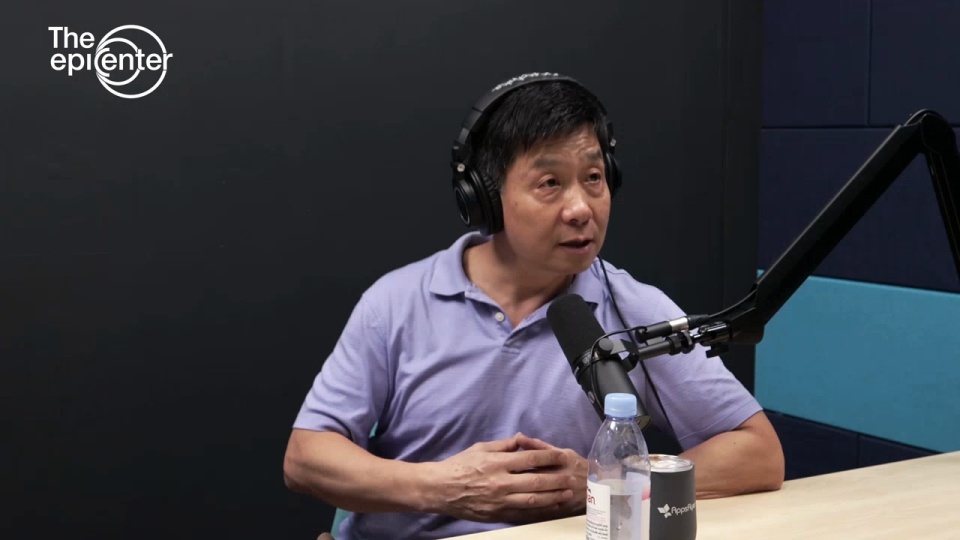
Xin ye
0:00
0:00
Featuring

Xin Ye
Co-founder, Casee (mobile ad network); former CTO, LinkedTone; early team, Sohu

Episode summary
Xin Ye was building mobile ad infrastructure before most people had considered that mobile would be the dominant internet surface. As an early member at Sohu and later CTO of LinkedTone, he watched China’s mobile operators open up WAP services and saw the business model before anyone else named it. His pivot from mobile search to Casi — a cell phone ad-serving exchange — wasn’t strategy so much as observation: every mobile company wanted to promote their services, and he had the network to do it. At its peak, Casi’s clients included Google, Motorola, Mercedes-Benz, and Kodak. The network eventually merged with Velti in 2011.
In this conversation, Xin walks through the conditions that made China’s mobile market different from anywhere else — mobile internet as a literacy tool, the SMS short-code economy, and the jump to WAP content that preceded anything Silicon Valley was planning. He also addresses how the geopolitical tensions between the US and China are reshaping where companies build and how capital flows, with direct reference to the TikTok hearings, the WeChat ban campaign he helped fight legally, and the post-COVID migration of Chinese founders into Silicon Valley’s Web3 and AI ecosystems.
The conversation closes on AI — where Xin draws a direct comparison to the iPhone moment, pointing to protein discovery, generative graphics, and language models as signs that the paradigm has already shifted. His read: if you are not experimenting now, you will not catch up.In this episode of Epicenter, Ronen sits down with Shelly Palmer—one of the most influential voices in AI, media, and technology—to unpack what “AI or Die” really means for modern businesses. Shelly traces his journey from pioneering digital audio and interactive television to becoming a leading advisor on AI transformation, revealing why today’s AI moment is not a trend, but a permanent shift in how power, productivity, and value are created.
Key highlights
On competing in categories that already exist:
“I think it’s very dangerous if you know it’s an existing category. You try to build something much better — it’s really difficult. But the way to know is to be part of it and create it.”
On AI as a platform shift:
“To quote Jensen Huang of Nvidia — this is really the iPhone moment. It’s a huge paradigm shift. But if you don’t try different things, if you don’t try to build different products, you’re never going to get there.”
Episode Timestamps:
*(00:00): Introduction and why Xin Ye is in Bangkok
*(01:45): Early days at Sohu and building WAP services with China Mobile
*(05:45): Joining LinkedTone as CTO and the SMS short-code economy
*(08:00): China Mobile offers free mobile internet — the first spark
*(09:15): Starting a mobile search company and pitching Silicon Valley VCs
*(10:30): Building Casi: the pivot from mobile search to mobile ad network
*(13:15): Google as a customer — promoting Google Maps on Casi’s WAP network
*(15:00): Merging with Velti in 2011 and the customer roster that made the deal
*(16:00): Growing up in Beijing, Tsinghua University, and the Steve Jobs magazine photo
*(29:30): Why founders can now build world-class companies outside Palo Alto
*(31:00): Macro risks for startups: bank collapses, policy changes, and survival instincts
*(35:15): Privacy changes and the impact on ad platforms: Apple, Facebook, and Snap
*(37:15): Web3, NFTs, zero-knowledge algorithms, and the FTX fallout
*(40:30): Why AI is the iPhone moment — and what that means for builders
*(44:00): US-China tech tensions, TikTok hearings, and navigating both markets
*(50:45): Rapid fire: favorite city, last meal, most inspirational person, first app
Transcript
[00:00:00] Ronen Mense: Hey everybody. Welcome to another episode of. [00:00:15] Epicenter. We’re here with one of our most amazing guests that, uh, I’m possibly gonna have on the show. Um, but before that, epicenter, we feature business leaders and entrepreneurs who are help shape the digital [00:00:30] economy and build the future of technology. And today with me is who?
[00:00:41] I mean, like we, we’ve had legends here, but I’m, I’m telling you guys, [00:00:45] this is a true, true legend. Welcome to the show. Thank you,
[00:00:48] Xin Ye: Ronan. Thank you for the nice compliment and it’s great to be back, uh, in Bangkok and, and catch up with you. What, what brought
[00:00:57] Ronen Mense: you. Back to, you know, the [00:01:00] tourist capital of the world and of course the epicenter of the epicenter.
[00:01:04] Xin Ye: Well, the, it is truly the epicenter. Uh, I am, uh, interested to see what the world is like after [00:01:15] the COVID and uh, I’m also looking at how technology companies and technology, uh, uh, people are. Doing in Bangkok, uh, because as you know, [00:01:30] uh, the market and political dynamics are changing mm-hmm. In our world. Uh, and a lot of the Chinese companies and Silicon Valley related companies are looking into how and where to build great [00:01:45] companies, uh, in the world.
[00:01:46] And I think Bangkok, uh, is really. Uh, one of my favorite place to visit and to catch up with my friend. And thank you. Uh, I’m, I’m happy that I got meet with you.
[00:01:59] Ronen Mense: I, I, I [00:02:00] mean this is such an opportune, uh, meeting ’cause you. Messaged me on, uh, WeChat and uh, basically, hey, I’m in town, wanna meet and, uh, typical Chinese style, right?
[00:02:11] Typical Chinese styles. I come to the office and then this [00:02:15] morning I said, Hey, let’s, uh, why don’t we do a podcast together? And you’re like, okay. Yeah. So very, very, very lucky to, uh, to have this opportunity. Um. I, I don’t know how many people know you because we have so [00:02:30] many friends in common, um, from being in this industry for, for such a long time.
[00:02:34] But when I say the industry, I talk about mobile. Right? And, um, you guys sitting across from me, really, I mean, we’ve had some amazing people in that chair, but [00:02:45] you are a true mobile legend. Um, I don’t think anyone can. Lay claim to saying that they built the biggest ad network probably in the world, uh, mobile ad network, probably rivaling the ad mobs of this [00:03:00] world, um, back in the mid two thousands.
[00:03:03] Um, and I’m sure the audience is really interested to hear about your take on the current state of, you know, the, the landscape. But before we dive into that. [00:03:15] What was it like building what you’ve built in Probably the most competitive technology epicenter in the world, which is China.
[00:03:27] Xin Ye: Um. Well, [00:03:30] uh, well thank you for the long introduction, uh, and congratulations on your progress with applier and your career and build a great, uh, company in Bangkok.
[00:03:40] It’s really amazing. So, uh, you talk about [00:03:45] my, uh, experience of starting mobile ad networks, uh, in China. Uh, the story comes from I was involved in helping my friend Charles’s building. Um. The Chinese portal soho mm-hmm. Uh, in which you [00:04:00] were a co-founder of right? No, I was a very early member, Uhhuh when Charles had six people in Beijing and I was coming back doing business, uh, to build semiconductor mm-hmm.
[00:04:12] Industry in China. And then through Common France got [00:04:15] reconnected with him. We went to Thu University together. Mm-hmm. And he was in m it to get his PhD. Um, so we built Sohu and it was a huge success. To bring internet services to China in year late, [00:04:30] uh, in year 2000. It’s very early days. Mm-hmm. And during that time, uh, we started to, uh, build mobile services when China Mobile and other, like Japanese operators started to build.
[00:04:44] Internet [00:04:45] services on the mobile phone back then is called Wap
[00:04:48] Ronen Mense: Wap. Yes. Yeah. WAPI
[00:04:50] Xin Ye: know, uh, of those days. So, um, and Soho is one of the, uh, was one of the early, uh, four partners [00:05:00] to work with China Mobile. And so my team, we actually build, uh, operator levels, interface solutions with Chinese operator. This was before like Linked Tone.
[00:05:12] Guy started building. Portal [00:05:15] solutions for, for China Mobile. So my tech team actually worked with the China, uh, mobile operators through a spec, how the WAP actually worked, how to publish content. And that was 2000, the when, [00:05:30] uh, yeah, that was for the Olympic, uh, SMS services. Wow. So. That was, that was Soho.
[00:05:39] That was soho. And so you, so year two then come to year [00:05:45] 2003? Yes. Uh, I didn’t have a lot of time to prepare. So now it brings back the memory. Um, and all the Chinese internet companies were struggling with revenue. Mm-hmm. There was no Baidu. Right. And there was no Alibaba. Okay. And Tencent, [00:06:00] uh, was also very small.
[00:06:01] Uh, somehow. Chinese, uh, mobile operator started to offer mobile internet, mobile, uh, internet entertainment service. You can download the ringtone. Mm-hmm. Does that ring a [00:06:15] bell? Yes. Okay. And you could, uh, it rings a tone. I know it rings a And you could actually participate in a game with SMS. You send, uh, a letter mm-hmm.
[00:06:27] To a short code. Yes. [00:06:30] 1000. That’s the Chinese mobile operator and we are 4,000 the company. And I will get into that. And then, um, I. That’s the, that’s a huge new business for all the internet companies. And one of the [00:06:45] first early mobile service, uh, application developers is based in Shanghai called LinkedIn.
[00:06:51] Mm-hmm. Uh, and one of your previous hosts, Richard Robinson. Yeah. Rich is, yeah. Also Inval Ridge. Hey, rich and friends who know [00:07:00] Richard Robinson. Um, so, uh, my friend joined the company to help like, uh, restructure the business and build the content side of, uh, LinkedIn. Mm-hmm. Back then it was called Intrinsic Technology, [00:07:15] which was building WA gateways.
[00:07:17] For Chinese operators. And he called me up, he says, Shane, you know, I really need someone to help me build the technology and lead the technology team. So I joined LinkedIn as a CTO of that company. [00:07:30] Oh. And we started from SMS to mobile games, uh, to WA games, Symbian games. Uh, and during that time, uh, I remember vividly this was about.[00:07:45]
[00:07:46] Early part of 2005. Mm-hmm. Guang China Mobile in Guangdong Province. Yes. Started to offer free mobile internet services. You can, with those sim card. Mm-hmm. You can access web content. Mm-hmm. On a small [00:08:00] Nokia screen, remember?
[00:08:01] Ronen Mense: Yeah. Yes, I remember. Right. You know, Nokia is making a comeback by the way.
[00:08:05] Xin Ye: I
[00:08:05] Ronen Mense: hope they’re, they’re releasing a new phone.
[00:08:08] Xin Ye: Uhhuh.
[00:08:08] Ronen Mense: Yeah. Interesting. It should be pretty cool.
[00:08:10] Xin Ye: So, uh, so I was a te uh, CTO, the chief technology officer of the company. [00:08:15] So I, I’m also looking at strategic projects. In fact, we had the first, uh. We first transitioned games, uh, this was earlier than Tencent. Mm-hmm. Because Tencent and LinkedIn and a bunch [00:08:30] of others were all getting majority of the revenue from the SMS, uh, based services.
[00:08:37] And I was in charge of looking into new business strategy. Uh, and so we were looking different things. Mm-hmm. And [00:08:45] then wa in mobile internet showed up, I said. Let’s build something that’s, uh, experiment because I think we never know. Mm-hmm. You know, I think the only way to know is, is to be part of it and create it.
[00:08:58] So that’s how I got [00:09:00] involved with mobile internet. And then, um, after that, uh, I think I look at. More operators are operating web services. So I think, uh, mobile [00:09:15] search could be the next killer app.
[00:09:17] Ronen Mense: Mm-hmm.
[00:09:17] Xin Ye: And with some VC friends convincing, uh, I started the company, uh, doing mobile search, uh, and I was fundraising in Silicon Valley with all [00:09:30] the familiar VCs, right?
[00:09:31] Mm-hmm. And trying to convince them that I would be able to build a mobile search service. Better than Google.
[00:09:38] Ronen Mense: Mm-hmm.
[00:09:39] Xin Ye: This was very difficult. Um, and nobody would believe us, which I think they [00:09:45] were right. I mean, we couldn’t build any things that we could build as good as Google, but it’s really difficult to build something.
[00:09:52] Much better,
[00:09:53] Ronen Mense: but you could build it as good as Google inside of China.
[00:09:56] Xin Ye: Uh, or Google
[00:09:58] Ronen Mense: couldn’t
[00:09:58] Xin Ye: build something. Well, actually one of [00:10:00] my co-investor was the Baidu co-founder Eric. Okay. Okay. And I was actually telling this story to Robin. We had a small, uh, investor dinner. Just four of us was Robin and uh, of, uh, uh, uh, [00:10:15] the DFJ.
[00:10:15] And he was joining GGV at the time, Uhhuh. But through this process, I have to get users to download and to, to, to access my mobile search service. Right. So I build a promotion ad [00:10:30] network.
[00:10:30] Ronen Mense: Mm-hmm.
[00:10:31] Xin Ye: Uh, that’s becoming very popular. Every friend in the mobile business want me to help them promote the business, uh, their, their services to help them promote their content.
[00:10:40] Yeah. So. Then I realized the mobile ad network could be [00:10:45] more interesting than the most, uh, than the mobile search. So we launched the mobile ad network called Casi, which is uh, a cell phone ad serving exchange. Mm-hmm. And that’s how we started. And I [00:11:00] remember this time, uh. There are probably about five or seven companies worldwide.
[00:11:06] Obviously there’s a mob. Yes. And there were a few like mobile search companies in Seattle and Palo Alto. [00:11:15] Yeah. Uh, it was very interesting time. Uh, I could not, I could not imagine a world changed today that people spend almost all their time on mobile phones. Because [00:11:30] back then it was really difficult.
[00:11:31] Like I was sitting in the Google office mm-hmm. Trying to explain how to access mobile internet on a mobile phone in Google’s office with Alan Bois. Mm-hmm. Who was a CTO. I showed him how to do the TK [00:11:45] nine, uh, yeah. Input. Uh, China back then was like, really advanced in like, mobile.
[00:11:51] Ronen Mense: Well, because it was, I mean, like most of, of the emerging markets right now.
[00:11:57] People’s access to the internet was through their mobile [00:12:00] devices or very rarely through a, a, a desktop in the office. Right. Uh, I mean that’s probably like, you know, it’s kind of like the Asia Southeast Asia story of, of not of mobile [00:12:15] first. Right. Even more into mobile only because a lot of people didn’t even, don’t even know how to use a desktop computer anymore.
[00:12:22] Exactly. But China had this dual screen already. Exactly. But for the masses, there was the mobile device, right? Mm-hmm. And, [00:12:30]
[00:12:30] Xin Ye: and, uh, I have to say mobile internet really. Uh, pr, you know, promoted, uh, the computer literacy mm-hmm. In China. Mm-hmm. Because you remember those days in China you could go to a little, like a restaurant or, [00:12:45] uh, a haircut salon and, you know, the young staff would be using their phone and, and input Chinese characters on the phone.
[00:12:54] Yes. Can you imagine? You know, in the West you have to go to school to learn how to. [00:13:00] Input. Yeah. A complicated system like that.
[00:13:02] Ronen Mense: Uh, wow, that’s so amazing. So interesting. So you built this, Cassie, it became one of the biggest ad networks. We could say globally, right? Because China was massive already.[00:13:15]
[00:13:15] Probably if we talk about mobile ad networks, maybe the biggest.
[00:13:19] Xin Ye: Yeah, in, in, during that time, yes. We have the largest WAP content.
[00:13:24] Ronen Mense: Mm-hmm.
[00:13:24] Xin Ye: Users. So, like at the time, uh, it’s hard to imagine, but [00:13:30] Google was one of my largest advertising customers ’cause they were, uh. Trying to get users to download Google Maps.
[00:13:39] This is like mm-hmm. Uh, the mobile app, the Symbian application. Yeah. And, uh, we have the [00:13:45] most wa content, uh, content, the publishers. So what, what happened with Cassie? Did you sell it? Uh, yeah. So it was a very difficult time to raise money, uh, and we managed to raise [00:14:00] money from a mobile marketing company, uh, starting the United States by many MIT Greek, uh, uh, uh, graduate Uhhuh.
[00:14:12] And uh, it’s a very interesting story because, [00:14:15] uh, soho. When the founder, Charles was in MIT, who was really having a hard time raising money. Mm-hmm. He got Ed Roberts of, uh, the Sloan Business School professor and also, uh, Nick Nigro Panty. Mm-hmm. The author of [00:14:30] Digital Living. Mm-hmm. Most, he’s, uh, director of Media Labs, and.
[00:14:36] Our investor, the Greek company, uh, Ty Yes, because the great, great Amer a Greek American connection. Nick was an [00:14:45] investor and on the board of that company. So because of, uh, Ty’s investment in ca c we are, we reconnected. Wow, this is very interesting
[00:14:56] Ronen Mense: story. Wow, this is so cool.
[00:14:59] Xin Ye: Yeah. [00:15:00] So, um, Velt, to answer your question, so Velt invested in us, uh, and then they went public in the United States, uh, they don’t have the mobile ad network.
[00:15:12] Uh, that this kind of service and the product [00:15:15] offering we have. So, uh, we merged, uh, in 2011 with Vel TI and become part of the Vel ti uh, ad network. Mm-hmm. And ad service platform. So because we had just like a [00:15:30] spectacular, uh, list of customers from Motorola. From Mercedes-Benz, from Google.
[00:15:37] Ronen Mense: Mm-hmm.
[00:15:38] Xin Ye: And from Kodak, which is one, remember Kodak?
[00:15:41] Yeah. Yeah. One of our, because they, they were using the mobile [00:15:45] phone and download pictures and print pictures. So we add a lot of value, both in terms of product offering to Vete and also the customer. Like we have great customer lives in China and Greater China.
[00:15:57] Ronen Mense: Yeah, I can imagine. So, [00:16:00] I, I, maybe I’m gonna hit the rewind button because I wanna.
[00:16:04] Even go before all this started right here. You are a young boy. Born and raised in China. Beijing. In Beijing. Yeah. I’m a Beijing boy. [00:16:15] Beijing. Beijing. Beijing, right. Nice. Um, so you’re, you’re born and raised in Beijing and because your mom didn’t want you to, uh, uh, have to depend on a fan to keep you cool.[00:16:30]
[00:16:30] Xin Ye: That’s an interesting story. You’re, uh, I was explaining to Ron and how I, uh, decided to. Uh, be a computer software major and when I was a kid, yes. Uh. My dad always said, uh, [00:16:45] you know, it’d be a great dream if you can get to Thu University. Mm-hmm. Which for some of you who are not familiar, THU University is like the m MIT most prestigious in China.
[00:16:55] Uh, and I, I would think it’s harder to get into Thu than MIT because there [00:17:00] you have the Stanford, right. You have the, and you have, and you have the Carnagie melon. Right. But, but in China, you know. And the competition to get into QA is like a hundred x. Right? Yeah. It was difficult. Yeah. So that was like a dream.
[00:17:13] And, um, [00:17:15] uh, at the time, uh, my mom was a doctor. Mm-hmm. And my dad was teaching economics, so, uh, I was interested in new emerging science. Mm-hmm. Right. Uh, biotech and computer [00:17:30] technology. So, uh. I think one of the things my mom said is like, uh, oh, you know, if you learn computer science and be a software engineer, you’ll be working in the AC room.
[00:17:40] Mm. You appreciate that in, in Bangkok, right? Yes. Of course. We need [00:17:45] ac. Yeah. But, uh, but it was a, you know, it’s great. I really enjoyed, uh, that career choice. So
[00:17:52] Ronen Mense: you, you embark on, you, you, you. You got into ING Hu or what, what Yeah. You went to ing hu first and then went to the us Yeah. [00:18:00] So, uh, when I was
[00:18:01] Xin Ye: in Ing Hu Yes, the first year I got there.
[00:18:04] I, uh, I have some American friends. Uh, it’s a great story mm-hmm. That I met on my way home, uh, from, from to my home in south of Beijing. [00:18:15] Mm-hmm. We met in the Tianmen Square and become friends. So I was learning English from him and he, uh, uh, was like learning Chinese from me and just so he showed me this magazine, that magazine had that famous [00:18:30] picture of Steve Jobs.
[00:18:31] Mm-hmm. Sit in his empty. A room in the house with one lamp. You know that classic lamp? Yes, yes. And I said, wow, you know, this computer [00:18:45] technology is gonna change our world. So I wanted to study, I want to start a bite magazine business. Mm-hmm. In China, you know, just by collecting all the information in the world.
[00:18:58] This was back in [00:19:00] two, uh, 1981. So there was like no internet. The information as a Chinese you get is like, you don’t have any information about computer technology. So I wanted to start a back magazine. So I tried, and so I know a lot [00:19:15] of like the, uh, controlled data people in Beijing. So I started to build industry contacts.
[00:19:21] Mm-hmm. And so through that, that magazine didn’t go off. Um, but. I realized I should really go to America mm-hmm. [00:19:30] To be in the, the big league of computer science and, and, and in the industry. So that’s how I went to United States for graduate school. And, and you go of all places. You go to the cheese
[00:19:42] Ronen Mense: country.
[00:19:42] Xin Ye: Yes. Well, uh, [00:19:45] it’s hard to imagine now the, the, you see Chinese students with, uh, $400 sneakers. Mm-hmm. Flashy cars, right? Yes. Back then. Yes. Our first generations, uh, graduate student, we have no money. [00:20:00]
[00:20:00] Ronen Mense: Mm-hmm.
[00:20:00] Xin Ye: So no matter how good you are, you cannot get to the best computer science programs in the United States because you cannot afford the tuition.
[00:20:10] If you cannot afford tuition, you cannot only. Get [00:20:15] scholarships or tuition from other non-competing departments. Mm-hmm. Like math and engineering, because back then even the computer science departments offer the, it was very competitive for local American students. Mm-hmm. It’s [00:20:30] difficult. So that’s how I select And I, I went to wi uh, Wisconsin to study.
[00:20:34] Mm-hmm. Because that’s a school they offered me, uh, teaching assistantship. Otherwise I could not
[00:20:41] Ronen Mense: go. And, and you were telling me about [00:20:45] like your, your first job in, in, uh, or one of your first jobs where you were talking about uploading files from one computer to another computer. Yeah. And I think it would be just a, a pretty, [00:21:00] like a, a flashback giggle memory for a lot of people.
[00:21:03] What, what exactly were you, you describing? Okay, so you asked my,
[00:21:07] Xin Ye: where I started my career? Yes. Uh, I said, uh. I started in one of the top personal [00:21:15] computer software companies in the world. That’s a true statement. Mm-hmm. This company is called Persoft. We were P-E-R-S-O-F-T. Yeah. Personal Software per t Parasoft.
[00:21:26] It’s based in the science park in Madison, UW Madison [00:21:30] Science Park in Madison, Wisconsin. Okay. And when I say like the, the like top 10. Mm-hmm. There were very few personal software, computer software companies in the world back then. You know the [00:21:45] top one is like Lotus Yes. In the east coast, right? It was not Microsoft.
[00:21:48] And then, uh, probably like Paradox and some other place, uh, like dBase three manufacturer. Uh, we were building basically software to allow you to use a personal computer [00:22:00] to connect to a mainframe. So you don’t have to buy an expensive, dumb video terminal. You can use the. Uh, pc
[00:22:09] Ronen Mense: mm-hmm.
[00:22:09] Xin Ye: And work as a terminal to get data from the mainframe and, and large computer.
[00:22:14] And you can [00:22:15] actually download the data from the spreadsheet there to your, uh, to your, uh, uh, your own personal computer so you can analyze and, and do other stuff with it. Interesting.
[00:22:27] Ronen Mense: Yeah. That’s, uh. [00:22:30] That’s how technology used to work back then. Right? Right. You
[00:22:34] Xin Ye: figure out, okay, so like how do you like intercept the interrupts and how to make the computers to load within like, and, and hardware.
[00:22:43] Yeah. To hardware, [00:22:45] right? Yeah. Yeah. And
[00:22:45] Ronen Mense: floppy disk. Floppy disk. My goodness, my goodness. Yeah. So you, you, you, you have that. Technical background. You’ve gone [00:23:00] to start found quite a few technical companies in, in China, internet, and you know, today you are an investor, you are an advisor. What, what, what is some of the stuff that, [00:23:15] uh, you’re doing?
[00:23:16] Xin Ye: Uh, I am, uh, like you said, I’m, uh, trying to help companies and, uh, startups with my experience, uh, and also my industry connections. Mm-hmm. Uh, so, [00:23:30] uh. I’ve been looking at, uh, virtual reality, augmented reality, uh, metaverse, uh, looking at, uh, uh, new really, uh, software, database technology. Mm-hmm. Uh, [00:23:45] Chinese based companies that want to expand to the world.
[00:23:49] Mm-hmm. And by setting up their Silicon Valley offices. So I’m. Uh, trying to help them with marketing strategy and, uh, how to make a Chinese company global. Uh, I’m also [00:24:00] looking at, uh, helping, uh, my, uh, us, uh, friends company with the Chinese and, uh, greater China and Asia perspective.
[00:24:09] Ronen Mense: Mm-hmm.
[00:24:10] Xin Ye: Uh, looking into, uh, blockchain.
[00:24:14] [00:24:15] Web3 and, uh, you know, semiconductor areas and, uh, D two C, uh, telemedicine. Mm-hmm. Which is something I’m also looking into to try to, uh, bring new services.
[00:24:29] Ronen Mense: [00:24:30] I, I really like this because, I mean, you’re a founder, you have a technical background, engineering, um, computer science, and I think that, um, it’s probably pretty hard for people to bullshit you because you can [00:24:45] kind of break down tech technology and understand how things work.
[00:24:49] And you know, I like, I see this in even in. My own company, uh, our two co-founders are, are engineers to the next level, right? Like really [00:25:00] smart guys able to break down very complex problems and um, figure out how to solve them in pieces. Well, like over your career, I’m sure you’ve had to do this many times, right?
[00:25:12] You’ve had to, um, use [00:25:15] your technical skill, your experience, you know, what are some of the. I mean, do you have anything that you might be able to share or principles that you’ve used throughout your career towards solving problems?
[00:25:28] Xin Ye: Um, [00:25:30] you, uh, you mentioned a lot of, uh, uh, uh, important things. I think, uh, uh, uh, I feel very fortunate, uh, uh, that I.
[00:25:42] Was able to, uh, [00:25:45] join some great companies. Uh, even before I returned to China, I was, uh, early engineering in the core technology group of TipCo which for, uh, for folks who know enterprise software. [00:26:00] TipCo is, is a very innovative company that literally started by, uh, two Stanford graduates, uh, and, and four founders that build information technology solutions in real, real time [00:26:15] solutions for trading rooms and expanded into other enterprises.
[00:26:18] Uh, so through that experience, I really see how. Uh, technology can change business and make improvements in what we do [00:26:30] and how we live. Um. And, and I think, uh, many of that is, is, uh, only gained through real experience. Mm-hmm. as a, uh, foreign student, [00:26:45] uh, in United States, it’s very difficult to get into the business side
[00:26:49] Ronen Mense: mm-hmm.
[00:26:50] Xin Ye: Of the software business. You can be a great engineer. I mean, a lot of the, this product, the code were written by Chinese, but we never see how. The [00:27:00] product really solved business problems and I was probably, uh, a few of the lucky ones to get because there were nobody there doing it. You know, I was just, like you said, I was send, we were talking about sending to Yeah.
[00:27:13] United States. Yes. [00:27:15] Uh, with the Chinese delegates. Yes. I was one of the guys sent to London to fix the trading room, solve a problem, and uh, my English wasn’t that good, Uhhuh, but they have to. Mm-hmm. Deal with the fact that I’m the only [00:27:30] one that wrote, wrote the code and can explain. So, uh, I think through that experience, I, uh, uh, I have projects, I’ve gained a lot of experience to look at.
[00:27:41] How technology can help, uh, people [00:27:45] help, uh, business process. Mm-hmm. Uh, you can’t just look into the product. And I think that’s a key challenge. I think, uh, especially, um, for Chinese. Engineers and people coming from Asian backgrounds, [00:28:00] uh, communication skills is very important. Mm-hmm. I mean, you are a great leader.
[00:28:05] Uh, in addition to your technical skills and the business skills, you are also a great communicator. Right. I, I really think that is important. Thank you. So, um, [00:28:15] when I, uh, I think my value, uh. As a technology executive in these startup companies, it’s not just find a great solution for a particular problem [00:28:30] or recruit and build a team to solve the problem or build a product, but to really like from the top, looking at the vision, but also drive, like driving down to really the details.
[00:28:44] Mm-hmm. Because, [00:28:45] uh. A lot of that experience they don’t have in China, like to build the right product to solve the problem. Mm-hmm. In, in, in, in the most efficient way. I think that add a lot of value and I’m hoping that I can still add value and it’s getting [00:29:00] difficult because I have to keep up learning
[00:29:01] Ronen Mense: and, and the pace right now of innovation is so much faster while it seems faster and.
[00:29:09] We’re like, you know, HTTP protocol. Yeah. You know, like wap Right. [00:29:15] Kind of dinosaurs. I know, I know. And, and here we are, you know, e
[00:29:18] Xin Ye: flops,
[00:29:19] Ronen Mense: computation power. Yeah. We’re talking about like, we’re, we’ll talk about this in a moment, but you know how Web3 and, and AI and, and it is [00:29:30] just the pace of innovation now is so fast.
[00:29:33] You could be relevant today and gone tomorrow. Right. That this is how fast things are moving.
[00:29:39] Xin Ye: But the great news, yes. Uh, just like you have demonstrated through your example, [00:29:45] building the business here in, in Bangkok because of the internet, because of Zoom, uh, because of work from home, because of open source, uh, you don’t have to go to Palo Alto mm-hmm.
[00:29:58] To be part of the. [00:30:00] The small group mm-hmm. To really know the nitty gritty of, of technology. I think if you’re in Bangkok, hopefully you can be part of this group and, and learn, uh, the new technology and keep [00:30:15] up with it.
[00:30:16] Ronen Mense: Yeah. Um, but we have to stay relevant. Right. If we’re not, uh, if we’re not relevant, then uh, quickly we become irrelevant and, uh, and.
[00:30:26] To catch up, right? Yeah. It can be difficult or it can be easy. I [00:30:30] don’t know. It depends on your ability to digest, you know, complexity. Right. And, and I, and I think there’s more complexity out there, um, coupled with other things like. Factors that many people haven’t had to deal with over the [00:30:45] past 10, almost 15 years, if is it?
[00:30:47] The macros, right? Yeah. The macro economy. Yeah. Is now a serious factor in business. Yeah. Right. How do you plan with rising interest rates collapsing banks? CSFB. Exactly. Silicon Valley Bank. [00:31:00] Yes, yes, yes. How, how do you,
[00:31:02] Xin Ye: like how does someone, it’s right next into my neighborhood, Silicon Valley Bank, and we have many friends send me letters like, oh, okay, so don’t worry.
[00:31:10] I got my. Fund out of, and, uh, but I still have a 500 k [00:31:15] payment to, to a vendor. I hope it’s get cleared, but Yes, you’re right.
[00:31:18] Ronen Mense: Yeah. And, and, you know, do you have any advice to, to a founder out there who is looking at this situation and [00:31:30] saying, oh, what, what do I do? Like I used to worry about other CEOs or other founders.
[00:31:36] And today I’m worried about myself and I’m worried about myself as a founder. I’m worried about myself as a CEO. How am I gonna navigate this? Right? What [00:31:45] I’m sure you’ve gone through many challenging times.
[00:31:49] Xin Ye: Are you talking about, uh, uh, getting new funding or I’m just talking or managing another risk, which is like if your founding is safe in a bank.
[00:31:57] Exactly. Managing another risk. [00:32:00] Well, it’s part of a startup, uh, venture, right? Yes. You never know what happened, right. It could be, uh, like huge trap or could be great opportunity. Mm-hmm. And, uh, that’s just part of [00:32:15] a startup life. You never know. You take the advantage, like you don’t. Uh, when we had some. Uh, business in China, like, uh, there was like a policy change.
[00:32:24] Mm-hmm. Or it could kill your business. Right. Overnight. Overnight. So, uh, [00:32:30] uh, and on the flip side, you, you, you go talk about, but, but on the flip side, yeah. If you manage it well, you’d be successful because when you start a race, you would have few others all racing. Mm-hmm. And probably some are, you know, on qualifications better than you, but.[00:32:45]
[00:32:45] Over time. That’s how, uh, successful companies, uh, become the leader of the, the space because there are many challenges. You just have to, uh, continue to improve and continue to work hard.
[00:32:58] Ronen Mense: Yeah. So I, I, I [00:33:00] just like, it brings me back to what you said earlier about you wanted to build the biggest mobile search, but that wasn’t your product because you actually built the.
[00:33:12] Uh, the tool to serve that search, which [00:33:15] became. The product, right? Yes. And search became probably nothing, right? Yes.
[00:33:20] Xin Ye: It’s, this is all part of, like, I, I think it’s true to describe a startup, really just like, like, like a human life. Like bring a kid up, you [00:33:30] never know. But if you start, you know, work hard and try to, uh, find a better solution, you’ll be successful.
[00:33:38] Mm-hmm. We can look at Congress. Congress just looking at a open API. Mm-hmm. Right. Who [00:33:45] knows. Chat GPT will become a huge success. You know, to quote Jensen Huang of Nvidia, this is really the iPhone moment. Mm-hmm. It’s a huge paradigm shift.
[00:33:55] Ronen Mense: Mm-hmm.
[00:33:56] Xin Ye: But if you don’t join open API, [00:34:00] uh, open AI and you don’t try different thing, you don’t try like, you know, build different products, you’re never gonna get there.
[00:34:10] Well, it was very, very dangerous. You know, and I, I look back and I was thinking [00:34:15] I wasn’t an experienced, uh, engineer and a business executive, but why would I still wanna build a mobile search knowing it’s an existing category?
[00:34:28] Ronen Mense: Um, since we’re on the, [00:34:30] the emerging technologies, right. Um. Maybe I wanna talk about three or four subjects just to get your opinion right. And, and I’m, I’m sure it’s very valuable. Um. For, [00:34:45] for people out there with relation to like emerging technology right? Or, or emerging factors that, uh, you know, like we talked about reg regulation, right?
[00:34:55] In China, there could be a, a new law that is enacted, you know, [00:35:00] tomorrow and all of a sudden your business is, is gone. Right? So, um, one thing that has been a, a pretty seismic change in the global mobile landscape has been privacy. Right. How do you, like, how do you see, like, [00:35:15] privacy affecting business or business models or, or even if you think back to, you know, your days on an ad network, would privacy impact you today?
[00:35:26] Xin Ye: Well, uh, there are huge changes, uh, in this [00:35:30] space. Uh. You could see Facebook, uh, business and Snap business mm-hmm. Got hugely, uh, negative impact. Mm-hmm. Because Apple and iOS, uh, decided [00:35:45] to, uh, not allow, uh, you know, to keep the personal, uh, information shared between different applications. So as a, an ad uh, platform provider, you have less tools to [00:36:00] measure the effectiveness mm-hmm.
[00:36:01] Of your ad campaign, right? Mm-hmm. So Facebook has been struggling. Yes, I’m sure there’s a solution, but it takes time. Apps flyer, uh, and uh, uh, I’m sure app flyer has, uh, [00:36:15] built a lot of solutions that, uh. App developers can leverage and, and make it more effective, uh, to run their promotions?
[00:36:24] Ronen Mense: Yeah, yeah, definitely.
[00:36:25] I mean, for us it was almost like the, the, the [00:36:30] catalyst that we needed as a company to innovate around a core principle, which was private privacy, preserving technologies, very important. Um, as you know, data clean rooms is, is really, um, the way that a lot of. [00:36:45] Uh, especially in the ad tech space, but a lot of, uh, uh, industries are moving into which really allows collaboration across different parties without compromising.[00:37:00]
[00:37:00] Individual data on there. And so I think that’s, uh, that’s really, really cool. And I think we’re, we’re gonna see a lot happening in that space over the next, you know, months and, and, and, uh, probably one to two years to come until it really takes shape. [00:37:15] Um, you’re also involved in like Web3 Metaverse.
[00:37:21] Xin Ye: Well, you have to, right?
[00:37:22] Yeah. I mean, all the gatherings in Silicon Valley, the last six months is like with, uh, these guys who [00:37:30] created their own tokens mm-hmm. Their platforms, uh, their own like, uh. Web3, you know, uh, blockchain. Mm-hmm. Based X, Y, Z, right? Mm-hmm. So, and, uh, because the COVID shutdown down [00:37:45] in China, a lot of them were in Silicon Valley, right?
[00:37:47] And, uh, so there’s a lot of conversation going on and a lot of the friends are building fundamental technologies to, for instance, uh, the better zero knowledge algorithms, right?
[00:37:59] Ronen Mense: Mm-hmm. [00:38:00]
[00:38:00] Xin Ye: I’m sure you heard about zero knowledge algorithms, right? And, uh. Layer two protocols, uh, like, uh, multilayer, uh, NFT information.
[00:38:11] Uh, like my friend built a company called NFT Go. Mm-hmm. [00:38:15] Where you can get a. You know, the NFTs on different platforms there, that they don’t talk to each other. So he build a gateway. Mm. Uh, there’s a lot of interesting going on. Uh, and there was a, this huge [00:38:30] disaster with FTX, right?
[00:38:32] Ronen Mense: Yes.
[00:38:33] Xin Ye: And so, uh. Huge challenges.
[00:38:37] A lot of people got scared, but, uh, interestingly, you know, BTC, which is actually [00:38:45] increased 10% the last, uh, two weeks because of Silicon Valley Bank. And, uh. That CSFP. Interesting. Yeah, I think that’s also,
[00:38:56] Ronen Mense: that’s also interesting, right? Because you have a, a bank collapse [00:39:00] and then you have the price of, uh, of gold and, uh, precious, uh, stones increasing very rapidly.
[00:39:07] And now crypto or BTC and Ethereum is kind of falling into that [00:39:15] asset class already.
[00:39:16] Xin Ye: Yeah.
[00:39:16] Ronen Mense: It’s a safe haven.
[00:39:18] Xin Ye: Yeah.
[00:39:18] Ronen Mense: Right. Dollar or, or banks or other things are not stable. Where do you put your money? Mm-hmm. So it’s, it is funny how you look at that gold. Shut up. Yeah. Price of rubies and [00:39:30] diamonds. Shut up.
[00:39:30] Yeah. And price of Bitcoin and Ethereum. Shut up. Yeah. Yeah. So, um, yeah, it’s, we could say it’s almost like seen as a, the, um, safe haven for tech forward people, right? Mm-hmm. [00:39:45] Rather than carrying around a brick of gold or Yeah. A pocket full of, uh, precious stones. Right, right,
[00:39:50] right.
[00:39:50] Carry a thumb drive of, uh, your hard keys.
[00:39:53] Yeah. Yeah. Your wallet. Yeah, your wallet. Yeah. It was funny. I, uh, you know, on, on, [00:40:00] um, a couple of shows ago, I asked someone, would you rather lose your phone or your wallet? And then the, the answer back was. What wallet, right.
[00:40:10] Xin Ye: I know, I know. Yeah. Uh, to the, the true story is I do have friends who [00:40:15] lost their keys mm-hmm
[00:40:16] to like a hundreds, hundreds, thousands of dollars worth. Wow. Or maybe a million dollars worth, oh my gosh. Of their keys. Yeah. So, but back then it was like maybe just worth a few bucks, right? Yeah. [00:40:30] People didn’t really care, you know,
[00:40:31] Ronen Mense: people didn’t know how much it was gonna be worth. I know, I know. And, and you talked about AI just a, a few moments ago.
[00:40:37] And, and, um, I mean, do you believe that this is a, an equivalent to the, the iPhone moment? I do [00:40:45]
[00:40:45] Xin Ye: because, uh, uh, this AI generated, uh, text content, graphic content, um. Uh, data for new protein development discovery.
[00:40:57] Ronen Mense: Mm-hmm.
[00:40:58] Xin Ye: Uh. It’s [00:41:00] amazing. I think our lives are gonna be changed. Um, and you know, we’re, we’re gonna have these AI bots with us to help us, uh, create poetry and draw the next [00:41:15] Van Gogh and Picasso type of paintings and help us de discover the next MR.
[00:41:22] And ra
[00:41:22] Ronen Mense: mm-hmm.
[00:41:23] Xin Ye: Uh, protein-based drug mm-hmm. To fight cancer. It’s amazing. It’s definitely amazing for Nvidia, [00:41:30] you know, you, yeah. Buy a lot of these GPU chips, you know, the 800, 100 and the H 100. Geez. It’s a lot of power needed.
[00:41:39] Ronen Mense: How do you know so much about so much?
[00:41:43] Xin Ye: No, I don’t know too much, [00:41:45] but, uh, you know, we just, I just hang out with people like you.
[00:41:48] But
[00:41:49] Ronen Mense: do you do, like, do you read a lot? Um. You know, do you take time out of every day to study? I mean, what, how, how are you always so relevant? [00:42:00]
[00:42:00] Xin Ye: Oh, thank you for I’m not, uh, for the company. I’m not sure I’m not, but I, I, I keep up with
[00:42:05] Ronen Mense: friends.
[00:42:05] Xin Ye: Anyone,
[00:42:05] Ronen Mense: anyone who’s listening to this is gonna say, this guy was WAP three protocol and now is talking about AI and uh, mRNA proteins and things like that.
[00:42:14] Then [00:42:15] come on, what, what, what’s, what’s the secret? I, I’m not, if I wanna be like you, what do I have to do? Uh, well, you, you already are. No, no, no. Let’s talk.
[00:42:24] Xin Ye: You have good
[00:42:24] Ronen Mense: friends. Uh, what, what do you, what, what, what keeps you so relevant? I mean, do you, do you go to [00:42:30] events regularly? Do you read forums? Do you participate in, in, you know what?
[00:42:34] How do you stay Always. At the, the cusp of, of technology, I
[00:42:38] Xin Ye: send a message
[00:42:40] Ronen Mense: mm-hmm.
[00:42:41] Xin Ye: To Ronan on LinkedIn. Ah, when I get to Bangkok [00:42:45] and, uh, I’m gonna go and meet with my other friend, uh, uh, to talk about his new energy, uh, projects. Mm-hmm. Uh, no, I try to stay focused on, uh, [00:43:00] what I have experienced.
[00:43:01] Ronen Mense: Mm-hmm.
[00:43:02] Xin Ye: Asking advice of, uh, areas where, I don’t know, like, uh, you know, in, in, in Silicon Valley or mm-hmm. The San Francisco Bay Bay area. Right. Uh, there’s an industry called the IC industry. Mm-hmm. [00:43:15] And you know what it stands for? It’s not integrated circuit ICU. It’s Indian and Chinese. Indian and Chinese. So, uh.
[00:43:24] I feel that truth, truthfully, I really feel that’s, that really benefit, you know? So is
[00:43:29] Ronen Mense: that
[00:43:29] Xin Ye: like a kung
[00:43:29] Ronen Mense: [00:43:30] pa samosa or something?
[00:43:33] Xin Ye: But, but, but you look, I mean, if you look at the people are doing hardcore stuff. Mm-hmm. It’s in Silicon Valley, right. And now in China. Yes. Uh, and, uh, uh, you, [00:43:45] you were part of that group and you were still part of the group.
[00:43:49] Ronen Mense: Well, I, I feel lucky to be exposed to the China story, right? This is, um, you know, having spent so much of my [00:44:00] career there, and I, I, I, I think this kind of segues to something else that I, I wanted to touch on is, um, you know, we’re, we’re, we’re sitting here today where, you know, TikTok, CEO’s gonna be. [00:44:15] You know, basically on the stand in, in the US talking to the, um, uh, what is it?
[00:44:20] FTC,
[00:44:21] Xin Ye: uh, I think it’s Senate hearing.
[00:44:23] Ronen Mense: Yeah. Senate hearing Not ft. Yes. Um, and you know, there, there, there’s a lot of sentiment regarding [00:44:30] China, US especially on the technology front. Yeah. How, how, how are you viewing this? Okay,
[00:44:37] Xin Ye: so, um, I actually been following this very closely. Mm-hmm. Uh, you know, uh, from, [00:44:45] uh, when COVID started and the Trump administration mm-hmm.
[00:44:49] Wanted to ban WeChat mm-hmm. I actually participate in the campaign to fight that legally in the United States mm-hmm. To protect our rights. Um. I [00:45:00] feel the, uh, the Trump policy towards WeChat, I think there’s a lot of racist mm-hmm. Elements to it. So we wanna stand up and, and, uh, uh, to do the better, uh, [00:45:15] things to show the world.
[00:45:16] You know, America should have, its. Uh, uh, to do its own model, right? Uh, so I’ve been following TikTok as well. Uh, you know, um, my friend was, uh, [00:45:30] investor of ance, uh, from SIG, and, uh, so I paid a lot of attention to mm-hmm. Uh, what’s happening, I think for people who are not really paying attention to the whole, um, issue [00:45:45] is.
[00:45:45] It’s data privacy.
[00:45:47] Ronen Mense: Mm-hmm.
[00:45:47] Xin Ye: And it’s also, uh, government security.
[00:45:51] Ronen Mense: Mm-hmm.
[00:45:51] Xin Ye: Uh, because there are a lot people in the United States believe based on the Chinese law, that TikTok, uh, [00:46:00] company mm-hmm. And staff. Mm-hmm. Uh, uh, has have responsibility to share some of the user data with the Chinese government. That’s a concern.
[00:46:10] Ronen Mense: Mm-hmm.
[00:46:11] Xin Ye: So there’s a huge issue with that. [00:46:15] And you know, like, uh, they did the first, uh, in, uh, they solved the first issues by having some of the US data, most of the, actually, sorry, all the US customer data hosted on Oracle.
[00:46:28] Ronen Mense: Mm-hmm.
[00:46:29] Xin Ye: Uh, [00:46:30] cloud in the United in the, because like our CO Larry Allison was a friend of Trump, right?
[00:46:35] Yes. So that was a broker deal. Even the board members of, of Binance, uh, uh, the US members, I think, uh, Sequoia, uh, us, [00:46:45] COO was on the board. I think he mm-hmm. Probably now is no, uh, I’m not sure. I think he is really trying to make a very careful, uh, separation.
[00:46:55] Ronen Mense: Mm-hmm.
[00:46:55] Xin Ye: Um, so you asked my view about what, uh, [00:47:00] should TikTok do or what should be the right, I’m not
[00:47:02] Ronen Mense: specifically TikTok.
[00:47:03] Yeah. I mean, this is by the time this podcast is out there, we would’ve heard everything, but I think just with regards to. Let’s call it East West, right? US Chinese [00:47:15] technology. And, and you know, how, how does someone in the business world like navigate these, these two, like China, China is creating some amazing technology.
[00:47:25] US is creating amazing technology, but the collaboration [00:47:30] is, is not like it was. Right? Um, you know, I think you, you know, from a, a. A, a purist sense, you can just put those issues to the side. Right. Uh, of politics. But [00:47:45] it’s, it’s hard. Right? It’s hard. And, you know, I I obviously, we, we work a lot with Chinese companies and, and we help Chinese companies, um, at the global landscape.
[00:47:53] And it’s just something that, you know, we keeps on coming up. And, um, you know, with, with [00:48:00] TikTok, of course it’s, it is a big, uh, it is a big story, right? Um, but it shouldn’t. You know, I don’t want it to be the example of what, what would happen thereafter. Right. With TikTok setting a precedent or not. Right.
[00:48:14] I’m [00:48:15] just, I’m just really curious about how I. How like one would navigate this from both sides of the, the, the, the, you know, Pacific Ocean, right?
[00:48:28] Mm-hmm.
[00:48:29] Xin Ye: There, [00:48:30] uh, I think, uh, startup, yes. You, me and us working in, in this, uh, industry is all about problem solving, right? Mm-hmm. I believe there are solutions to the problem.
[00:48:41] Yes. Uh, and I believe, uh, TikTok [00:48:45] should be, uh, allowed in the United States because. As, uh, mm-hmm. Uh, the CEO was saying they have about 120 some million monthly active users. I know a lot of kids and, uh, people in the [00:49:00] United, uh, love TikTok. Mm-hmm. Uh, and United States governments should not set example to ban applications for, you know.
[00:49:11] Political and Right. Uh, reasons [00:49:15] behind, right? Yeah. I mean, we don’t like, uh, Facebook and Google apps are not allowed in China.
[00:49:22] Ronen Mense: Yeah.
[00:49:23] Xin Ye: So what, what is the US government doing with TikTok if it’s banned? Uh, I think there’s [00:49:30] solution. Mm-hmm. I think, uh, to allow. Us to find a solution will bridge a gap.
[00:49:38] Ronen Mense: Mm-hmm.
[00:49:38] Xin Ye: I think now, as you said when before our show, like yes, we live in a world, there are a lot of challenges right from [00:49:45] the war, from the political divide.
[00:49:48] Uh, I feel, uh, we need to work hard to somehow bridge the gap.
[00:49:55] Ronen Mense: Mm-hmm.
[00:49:56] Xin Ye: Uh, and I think through these practical cases, we should [00:50:00] have some solution. I’m hopeful there will be solution for
[00:50:04] Ronen Mense: Yeah, TikTok, you, you, you come with, um, with uh, definitely a pragmatic common sense. Right. And I think that, uh, [00:50:15] those who want to find a solution will find a solution.
[00:50:19] Xin Ye: Well, I’m, uh, I’m, I live in Silicon Valley for very long and I still consider that, uh, that’s home. Uh. I feel, uh, the government should listen [00:50:30] to the people.
[00:50:30] Ronen Mense: Mm-hmm.
[00:50:31] Xin Ye: If people want to use TikTok, then they should find a solution.
[00:50:36] Ronen Mense: I, I definitely
[00:50:37] Xin Ye: hope
[00:50:37] Ronen Mense: they will let ’em use TikTok. Yeah. So. This is such a a, [00:50:45] we’ve touched so many subjects, um, and, uh, I like to normally wrap these up with what I call a rapid fire question.
[00:50:53] I ask a question and you give a very short or quick answer.
[00:50:57] Xin Ye: Okay. Let’s try. All right. [00:51:00]
[00:51:00] Ronen Mense: What’s your favorite city in the world? Uh, don’t say Bangkok.
[00:51:05] Xin Ye: It’s close. Uh, uh. I certain, like many elements in Bangkok. Um, my favorite city actually is Paris. Wow. Very nice. [00:51:15] I love Paris.
[00:51:16] Ronen Mense: Awesome. And what is your favorite food?
[00:51:20] Oh, my favorite food. Uh, if this was your last meal. Oh, my last meal. You could have anything.
[00:51:29] Xin Ye: I do not [00:51:30] like Italian food. You do not like Italian food? I like Italian. Oh, you like Italian food? Yeah, but I was gonna say the answer is like Californian food. Which,
[00:51:38] Ronen Mense: so it wouldn’t be like a or something like that.
[00:51:40] Xin Ye: Uh, I think it’s a little bit too oily for me, uh, [00:51:45] but I do have wanna have it once in a while, right? Yeah. Right. It’s like, uh, forget about the health benefit. Yeah. Well, I mean, if it’s your last meal Yeah. Come on.
[00:51:52] Ronen Mense: For me it’d be like a Ian or something. Oh
[00:51:55] Xin Ye: really? Yeah, of course. Oh, wow. That
[00:51:56] Ronen Mense: shows your Taipei.
[00:51:58] Yeah,
[00:51:59] Xin Ye: Taipei [00:52:00] and
[00:52:00] Ronen Mense: our peanut butter sandwich. You know? I know,
[00:52:02] Xin Ye: I know, I know. My, actually, you know, my soul food is. Bagel bagel in the morning. Awesome. That really solved the problem.
[00:52:10] Ronen Mense: The bagel always does the trick. Who’s the most inspirational person to [00:52:15] you? Wow.
[00:52:16] Xin Ye: That’s a very difficult question. Um, I think for me, actually it’s my dad.
[00:52:21] Ronen Mense: Mm-hmm.
[00:52:22] Xin Ye: Um, who, uh. Always who is always positive in [00:52:30] difficult times. Uh, uh, I, uh, I remember I never see him like that, and he had a very interesting life through, uh, the political changes, uh, and to his [00:52:45] older days when he moved to the United States, become an immigrant, just so that he can be closer to me.
[00:52:51] Ronen Mense: Mm-hmm.
[00:52:52] Xin Ye: Uh, and, uh. He still enjoys like, uh, Chinese poetry, uh, and uh, [00:53:00] great fun to be with. And he’s always very positive, very friendly to people. I, I, I think that’s very inspirational for me. And he lives in the us. Uh, he, he was, he was, yeah. Oh, uh, he he’s passed on. He passed away? [00:53:15] Yeah. Oh, yeah. But he’s, uh, I look back, I, I really feel like, uh.
[00:53:20] There are a lot of things I can learn from him. Mm. Funny, right? He’s not a famous guy, but, uh, very inspirational for me.
[00:53:26] Ronen Mense: We, we don’t need famous people in our lives. We just need [00:53:30] people that help us become who we are. So this greatly said, this one’s for your dad. Thank you. Yes. Um. Okay. Since you’re a early technologist, what was the [00:53:45] first app or the app that you downloaded that make you go Wow.
[00:53:49] Um,
[00:53:51] Xin Ye: I actually think the, the SoundHound application was very, very useful. Now I think they’re becoming a bigger company with moist [00:54:00] recognition, but that company helped me recognize great piece of music
[00:54:06] Ronen Mense: mm-hmm. That
[00:54:07] Xin Ye: I wouldn’t able. To name and to search for, you know, I would be like meeting you running in a [00:54:15] coffee shop in the morning and there’s a great piece of music playing.
[00:54:20] With that app, I can use the app and find, uh, you know, if it’s a ov mm-hmm. Or it’s a Mozart, [00:54:30] you know, well, Mozart is a bad because I’ve listened to most of the Mozart, but it’s like these new music titles that, that, that I discover. It’s a great technology
[00:54:40] Ronen Mense: since we’re talking about music. What is your favorite song to sing in a [00:54:45] karaoke.
[00:54:45] Oh,
[00:54:47] Xin Ye: we haven’t been to karaoke for a long time. Well, that’s where we met. Uh, okay. All right. Um. Boy, I think, uh, now nowadays I really like Bradley Cooper and, [00:55:00] uh, lady Gagas, uh, song. Shallow. Shallow. Yeah. So I, come on, let’s hear it. Oh no. I don’t want to like ruin, uh, ruin this perfect episode. Yeah. Yes. Well, but plus, uh, if you can sing Lady Gaga’s [00:55:15] part, then I might be able to sing.
[00:55:16] I gotta have someone to help me start. Oh my God.
[00:55:19] Ronen Mense: There’s one thing I definitely cannot do, and that’s sing. I’m sure you can. This has been amazing. Thank you so much for. Stopping by sharing your knowledge. [00:55:30] Um, I’m sure this is gonna be one of the best episodes that we’ve ever had. And, um, you know, I’m just so thankful for, for you spending your time with us and, you know, I’ve learned so much, so much and I’m in so much admiration of you even now, more [00:55:45] than I was before.
[00:55:45] So thank you once again.
[00:55:47] Xin Ye: Thank you for inviting me and thank you for making the time to see me. I, I really wanted to catch up with you and hear the great progress you made and your family. Thank you. And AB flyer. All right. Thanks. This has been [00:56:00] fun.
Meet our host

Ronen Mense
President & Managing Director, APAC @AppsFlyer
Ronen Mense is a growth strategist and host known for thoughtful conversations at the intersection of technology, business, and human potential.
Explore more resources
Uncover AppFlyer’s wealth of expertise and in-depth resources, to empower your growth and success in today’s dynamic market.


