
Your Agent is Only as Honest as Your Signal


A few weeks ago I wanted to book a couple of days away, somewhere by the sea, dog friendly, in the UK. I didn’t open ten browser tabs and work through search results one by one. I opened ChatGPT, used voice to text, and asked it to find me something. No brand name, no specific site, just a problem I wanted solved. That small shift in my own behaviour is why ChatGPT Ads matters, and why the answer to whether it becomes a serious channel comes down to one thing: whether marketers can actually measure what happens next.
Intent-driven discovery meets conversational AI
ChatGPT now has more than 1 billion active users, sending over 2.5 billion prompts a day. People aren’t going there to scroll. They’re going there with intent, to compare options and make decisions, the same way I was trying to solve a very specific problem for myself. That is a fundamentally different consumer behaviour to the one that built the ad budgets of the last decade, and budgets follow behaviour. Brands have already understood this at the top and middle of the funnel, around search and product discovery. What they’ve been waiting for is the thing that turns an emerging channel into a serious line on the media plan: measurement.
That’s the part I keep coming back to when people ask me whether ChatGPT is really going to sit alongside Meta, TikTok and Google. It’s not a question of attention or ad inventory. It’s a question of whether a marketer can prove the outcome. Clicks and impressions tell you someone interacted with an ad. Under the budget pressure most marketing teams are working under right now, that’s not enough. You need to show the CFO and the CEO that the spend did something.
The dual challenge: web, app, and the organic gap
Measuring conversational AI environments introduces two structural challenges for traditional marketing stacks:
- Bridging Web and In-App Conversions: Grubhub has been advertising in ChatGPT since OpenAI opened the platform to advertisers in February, so the team has around five months of campaign data behind them. With cross-platform measurement, they can now see the complete customer journey and measure impact across mobile and desktop, app and web, measuring everything from website visits, purchases, and sign-ups to app installs and in-app revenue in the same dashboard where they already measure every other channel. Brian Ryu at Grubhub put it well: it completes the full picture of the customer journey regardless of surface or metric, whether engagement happens on web or in the app.
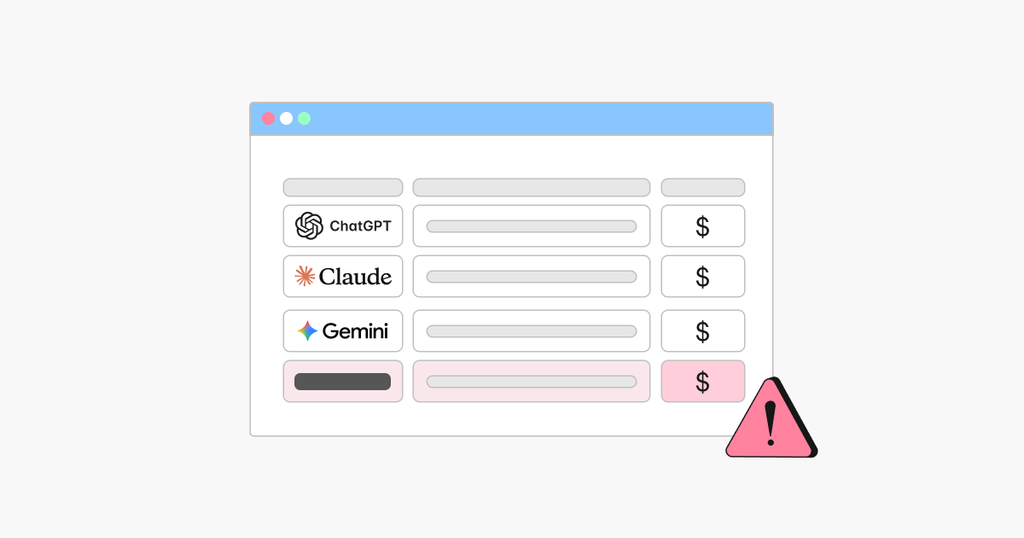
- Accounting for Paid vs. Organic Recommendations: Most of what ChatGPT and the other AI engines send a brand isn’t paid at all, it’s people asking a question and getting sent to an app or a website because that brand showed up in the answer. Extending independent measurement to that organic side ensures marketers get one honest read on what’s actually working, rather than a self-reported number from the platform itself. Paid or organic, the same discipline applies. You can’t optimize what you can’t measure honestly.
Why signal quality is the real story
Here’s the part I’d push people to think about harder, though, because it’s not really about ChatGPT. It’s about signal quality. Whether we’re talking about ChatGPT Ads, an AI agent doing research on your behalf, or the next platform that shows up in eighteen months, the thing that determines whether you can trust the output is what you feed it. A model, an algorithm, an optimization engine, they are only ever as good as the data going in. If the signals are messy or biased, that’s where trust breaks down, not because the technology failed, but because the foundation was never solid.
That’s why deduplicated, unbiased measurement matters more now, not less, as more of the customer journey moves into these AI surfaces. The same way a marketer compares Meta to TikTok to Google on equal footing, that same discipline now needs to extend to ChatGPT, and to whatever comes after it.
The CMOs who get ahead of this aren’t the ones who take a short-term experimental approach by simply throwing small or POC budgets at a new channel. They’re taking a longer-term approach with measurement at the core of that decision, and asking how business impact can be truly measured. That’s the real opportunity here, not a new place to run ads, but a new proven channel that delivers business value.
Key takeaways
- ChatGPT’s user base has crossed 1 billion weekly active users, and consumer search behaviour is shifting toward AI-native discovery.
- Measurement, not attention or inventory, is what decides whether marketers treat ChatGPT as a serious media line.
- Paid and organic AI-driven traffic now both need independent measurement, not self-reported platform numbers.
- Signal quality, not the platform itself, is what determines whether a marketer can trust the outcome