
Web Gaming: The untapped path to lower CPI and boost ROAS

TL;DR
- Rising mobile CPI and high app store fees are compounding, and the ROAS math is breaking down for a lot of gaming marketers.
- [Desktop] Web gaming has moved past its stripped-down reputation. Full-game Unity-to-HTML5 ports are real, and marketers report a 30-50% reduction in cost of acquisition.
- Session length and retention often improve on web instead of just holding steady. One large publisher’s action and strategy title saw average session time jump from 6 to 7 minutes on mobile to over 70 minutes on web.
- Porting requires some development heavylifting. That up-front investment typically shows the best results for games with enough depth to hold a player’s attention rather than hyper casual titles.
- Mobile-grade measurement rigor is now available for web campaigns too, closing what used to be a real attribution gap.
Why mobile user acquisition keeps getting more expensive
Mobile CPI has been climbing for years, and app store fees sit on top of it, taking up to 30% of in-app revenue before a studio sees a cent. Together, those two costs compound. A campaign that used to clear a healthy ROAS now has to work harder just to break even.
This isn’t a seasonal dip that corrects itself. Store fees are structural. CPI pressure rises alongside how saturated mobile UA has become, and that saturation isn’t reversing, especially when practically anyone can build a game with AI at rapid speed. If the cost side of the equation keeps rising, the only lever left is the acquisition channel itself, and that’s exactly where desktop web gaming has quietly gotten interesting.
That pressure is what makes the technical shift in web gaming worth paying attention to now.
Web gaming isn’t the stripped-down version anymore
For years, “web gaming” meant a watered-down version of the real thing: worse graphics, fewer features, more bugs, and a goal of keeping players busy until they installed the actual app. That reputation is outdated as studios can now port a full mobile build straight into the browser using HTML5, the standard web format that runs games without a plugin or install.
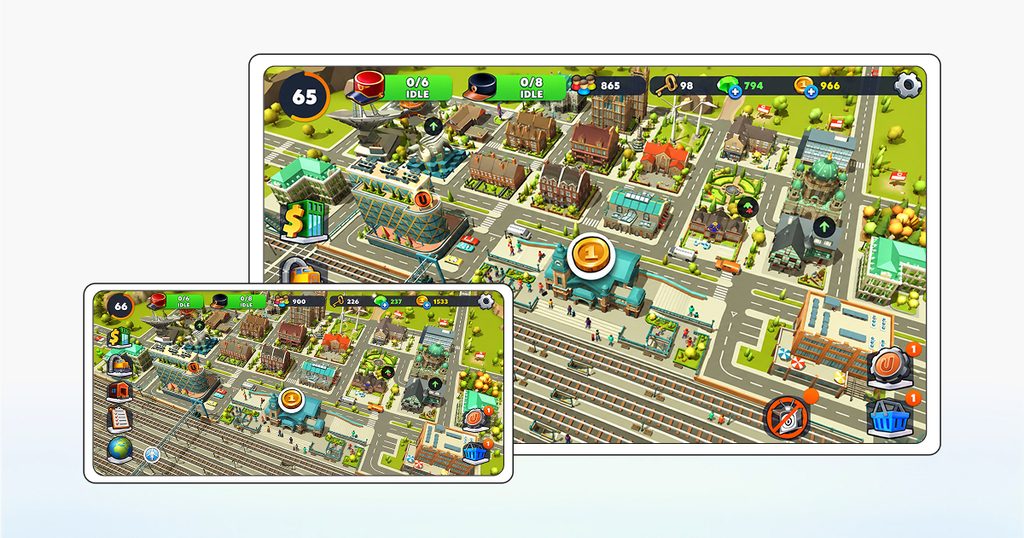
Pley, a game distribution platform for mobile games on the web, is one of the companies doing this at scale, and their tooling is built primarily around Unity, the engine behind most casual and mid-core mobile titles. According to Shawn Adamek, the company’s Chief Commercial Officer, “Unlike mobile and PC, you’re only maintaining one single version of your source code. Once it’s ported, it’s the same game, running in a browser tab instead of on a home screen.”
But before you think of building your own, know this: porting a game to web takes real engineering work. It’s not a plugin or a setting you toggle on. That effort pays off for games with enough depth to hold a player’s attention over time: RPGs, strategy, puzzle, hidden object, and story-driven titles among them. It pays off less for hyper casual games built around quick, disposable sessions played with one thumb/finger. Those games are designed to be short, and a longer session isn’t the point.
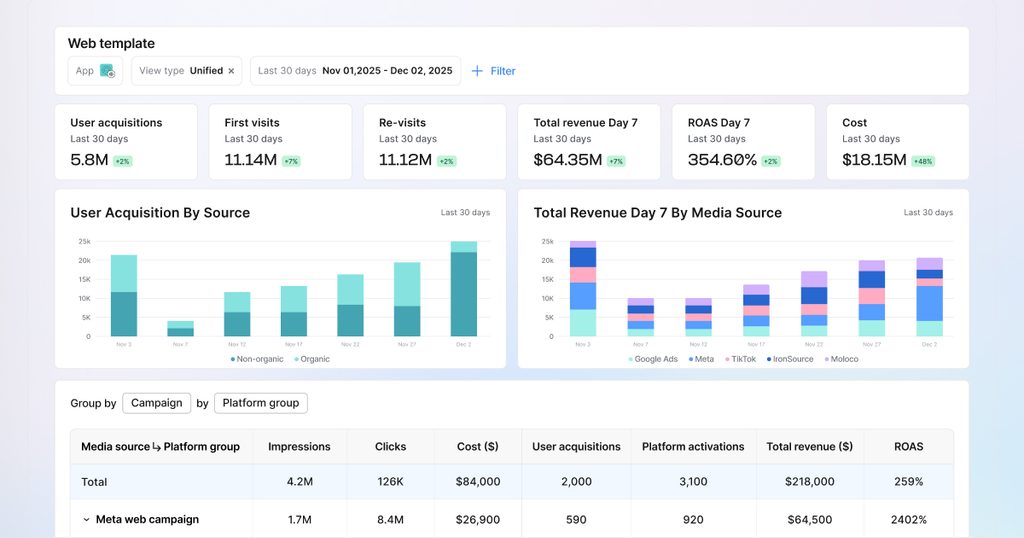
Measurement has caught up too. The same rigor mobile marketers expect is now available for web campaigns when measuring with AppsFlyer. This includes independent attribution instead of conflicting ad network reports, custom conversion signals routed back to networks automatically, unified reporting across platforms that don’t normally share data, and cost tied to revenue across the full path. That gap, once a real blind spot for anyone running a web title, has closed.
How much does web gaming actually lower CPI?
Operators in this space report a significant 30-50% reduction in cost of acquisition when comparing web campaigns to mobile. That number is the figure people in web gaming keep landing on independently, across different studios and different titles.
What struck me most wasn’t the number itself. It was how the conversation around it has shifted and demand followed. Adamek said it best after attending the Gamescom event: “This was the first Gamescom since I’ve been at the company where it wasn’t us talking to the industry saying, ‘guys, but what about web gaming?’ It was finally people coming to us saying, ‘hey, we’re thinking about going to the web.'” The industry stopped needing convincing. It started asking the question itself.
The savings don’t stop at acquisition
Lower CPI is only half the story. A mature web port also removes the app store’s 15-30% cut on the revenue side, since in-game purchases run through web payments instead of the store’s checkout. The player buys inside the game itself. No redirect to a separate web shop, no extra step that costs conversion.
In-game ads work the same way, running through ad networks that live inside the web environment rather than bolted on afterward. And the pricing conversation is expanding. Studios across the industry are exploring subscriptions and one-time premium purchases as an additional revenue layer for web titles, alongside the in-app purchase model most free-to-play (F2P) games already run.
Put together, the cost advantage compounds. It’s not only cheaper to acquire a player on web, it’s also more valuable to monetize them.
Won’t players just forget about a browser tab?
Lower cost only matters if those players stick around, which is an objection worth addressing directly.
It’s a fair concern. A browser tab doesn’t sit on a home screen reminding a player to come back the way an app icon does, and that should hurt retention. The data says otherwise, at least for the titles Pley works with. Retention on their better-performing web titles is stronger than on mobile, not weaker.
According to Adamek, “There are some technical solutions like PWA for Chrome, for progressive web app, which allows users to basically store an icon on their taskbar, so that it launches the game just like an app, but it actually launches it in the browser. It’s a really good retention technique.”
One large publisher’s Strategy title makes the case concretely. Average session time on mobile sits at 6 to 7 minutes. On web, over its first three months, that same title averaged more than 70 minutes per session.

Shawn Adamek’s read on why: “The more invested you are in a game, the longer you’re going to want to play it. And when you’re playing for longer, you’re getting served more offers, and you are more likely to be retained as a player and a payer.”
Ultimately, a bigger screen and a dedicated sitting invite a different kind of attention than five minutes on a bus.
Mobile and web don’t compete, they compound
None of this is an argument for abandoning mobile. It’s an argument for connecting mobile and web rather than choosing between them. Adamek calls it “a cross-platform play.” The strongest results come from linking a player’s account across both, so someone who plays six minutes on the bus can go home and spend an hour on the same game in a browser, picking up exactly where they left off. Once stitched together, the cross-platform LTV rises significantly.
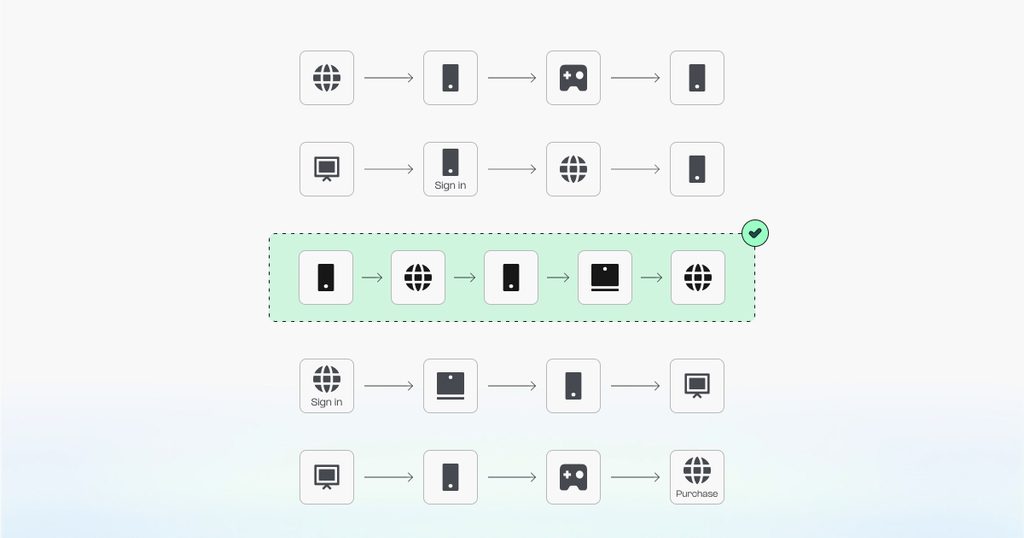
One studio announced the upcoming web version inside their existing mobile app and asked players to leave an email for launch notifications. That single move generated 60,000 to 70,000 email signups, and on launch day, tens of thousands of players were already linking accounts and playing on web. Owned media, not paid acquisition, did the heavy lifting.
The math is starting to work again
Mobile CPI and store fees have made the acquisition math harder for mobile games, and web gaming, done as a full port rather than a stripped-down copy, is a real, measurable way to ease that pressure for the right titles. Start by auditing your own catalog for games with real depth before assuming every title is a candidate.
The math changes when you stop treating web as an afterthought. And based on where this conversation has moved in the past year, more of the gaming industry is starting to notice.